Chust: Knives, Skullcaps and a Bazaar
A small town in Namangan Province where smiths forge famous knives and embroiderers stitch black-and-white skullcaps. Where to see the masters, what to buy and how to avoid fakes.
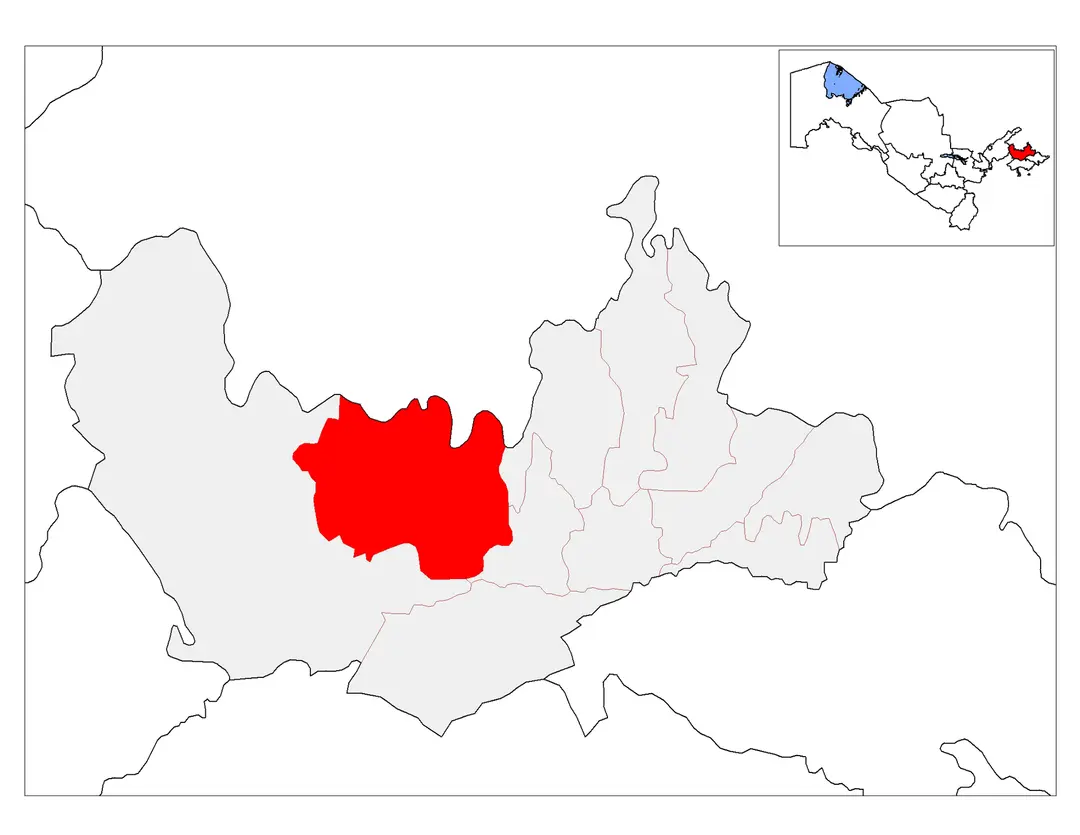
Some towns are known across the country for a single object, and Chust is one of them. Say "Chust knife" to any home cook in Uzbekistan and they will know exactly what you mean: a narrow blade, a comfortable handle with brass inlays, the knife used to cut carrots for plov and meat for shashlik. The town's second pride is the Chust skullcap: black, with four white "kalampir" motifs that look like pepper pods. The third is the bazaar, where all of this is sold next to fruit and flatbread. Chust lies in the northwest of the Fergana Valley, and one day here is enough to understand why the craft is passed down from generation to generation.
Getting there
Chust is about 40 km west of Namangan, a drive of 45–60 minutes. It is easiest to combine with a stay in Namangan: head out in the morning on the Namangan — Chust route and come back in the evening on the Chust — Namangan route. That way you keep the same hotel and still have a full day.
A little history
The area around Chust has been settled for a very long time. Archaeologists identify a Bronze Age "Chust culture": farming settlements from the late 2nd to early 1st millennium BC found here. Later, trade routes ran along the Syr Darya, and local craftsmen supplied caravans with tools and weapons. The blacksmithing tradition has survived to this day and become the town's calling card.
How Chust knives are made
A traditional knife, called a pchak, consists of a blade, a bolster and a handle. The master:
- Forges a steel blank and shapes the blade.
- Hardens and sharpens the edge.
- Assembles the handle from wood, horn or bone, often with brass or copper inlays.
- Sews a leather sheath, frequently with embossed patterns.
A Chust blade usually has a slight curve and a flat spine, and the master's stamp is placed on it. A good knife feels heavy in the hand, is well balanced and keeps its edge for a long time.
Where to see the smiths
The town has family workshops and small shops where knives are made by hand. The easiest way to find them is to ask at the bazaar or a taxi driver; in Chust everyone knows where the masters live. Many will let you watch the forging and sharpening, but:
- come during working hours, ideally in the morning;
- ask permission before taking photos;
- keep a safe distance from the forge and the grinding wheel.
Buying a knife directly from the maker is the best way to get an honest product and learn the story of that particular piece.
How to avoid fakes
Markets across the country sell mass-produced "Chust-style" knives. Here are the signs to look for:
| Sign | Handmade | Mass-produced fake |
|---|---|---|
| Stamp | crisp, with the master's name or mark | blurred or missing |
| Handle | tightly fitted, no gaps | gaps, traces of glue |
| Steel | even edge, solid weight | light, thin blade |
| Price | higher, but justified | suspiciously low |
Ask the seller who made the knife and request to see the stamp. Prices depend on size, handle material and the maker; they are approximate, so check and compare in several places.
Skullcaps
The Chust skullcap (doppi) is black and four-sided, with white "kalampir" embroidery. Men wear it, and at celebrations you can see whole rows of identical caps. The bazaar sells both factory-made and handmade versions: hand embroidery is denser, with smaller stitches and a neat reverse side. A good cap holds its shape and does not crumple. It makes a light, practical gift that takes up no space in your suitcase.
The bazaar
The Chust bazaar is the handiest place to buy knives and skullcaps and to see the town's everyday life. Besides crafts, it sells fruit, nuts, flatbread and spices. Come in the morning, bring cash and do not be shy about bargaining.
Traveling with a knife
This is an important practical point:
- Never put a knife in your hand luggage; it must go in checked baggage.
- Ask the seller for a document stating that it is a kitchen or souvenir knife, which makes security checks easier.
- Check the import rules for knives in your home country: some countries restrict blade length and type.
- When traveling within Uzbekistan, keep the knife sheathed inside your bag, not on your belt.
Where to eat
Chust has simple teahouses and canteens near the bazaar. At lunchtime there is plov, shurpa and lagman; at the bazaar you will find tandoor samsa and flatbread. In summer, be sure to try the local fruit.
Half a day in Chust: a plan
- 9:00 leave Namangan.
- 10:00 visit a blacksmith's workshop.
- 11:30 browse the bazaar for knives, skullcaps and fruit.
- 13:00 have lunch at a teahouse.
- 14:30 head back to Namangan.
Easy travel
Chust is an ideal goal for a short trip from Namangan. Book a seat on the Namangan — Chust or Chust — Namangan route on Yo'ldosh: drivers are verified and you pay only for your own seat. Find other directions on the routes page.
Cover photo: Jamshid Nurkulov, CC BY-SA 4.0, Wikimedia Commons.
