The Museum of Applied Arts in Tashkent
A Russian diplomat's mansion with carved ganch plaster and a collection of suzani, ceramics and jewellery: the ideal stop before travelling to Samarkand to understand what to look at next.
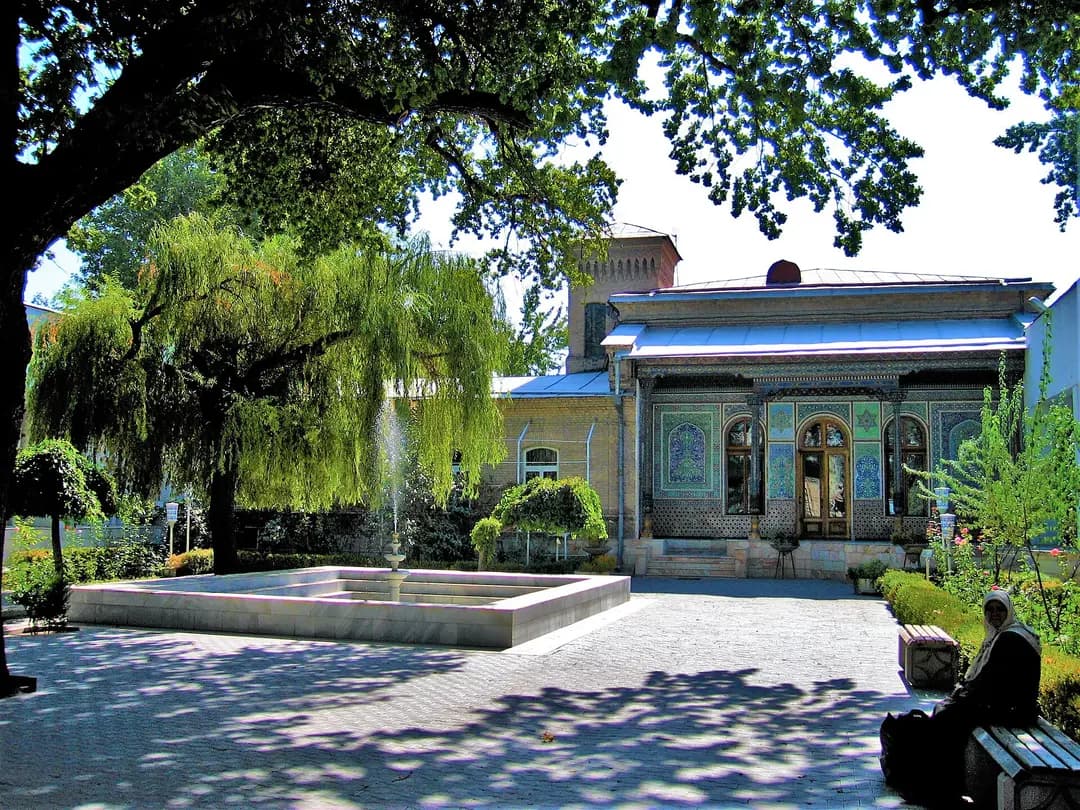
The Museum of Applied Arts of Uzbekistan is housed in one of the most beautiful buildings in Tashkent, a mansion built in the early twentieth century for the Russian diplomat Alexander Polovtsov. The house itself is worth stepping inside for, and the collection turns the visit into a short course in the country's traditional crafts. If you have just arrived and are heading for Samarkand, Bukhara or Khiva, the museum helps you understand what to look out for in those cities.
The Polovtsov house
Alexander Polovtsov was a Russian diplomat who served in Tashkent in the late nineteenth and early twentieth centuries. He commissioned a mansion in European style with Eastern decor. The best craftsmen from the Fergana Valley, Bukhara, Samarkand and Tashkent worked on it, so the interiors became a showcase of regional schools. Construction was completed in the 1900s. After the revolution the building was nationalised, and a museum opened here in 1937.
Carved ganch
Ganch is a gypsum plaster from which craftsmen carve patterns. In the house the walls and ceilings are covered in the finest carving: plant ornament, geometric motifs, stalactite niches. Each hall has its own design, and you can study it for hours.
Carved wood and painting
Ceilings are decorated with painting in plant and floral ornament, and doors and columns are covered with carving. Some halls keep coloured stained glass and mirror insets. Notice the combination of red, blue, green and gold tones.
What is in the collection
The museum holds objects of the nineteenth and early twentieth centuries and contemporary works made in traditional techniques.
- Suzani. Large embroidered panels used to decorate walls and as bedspreads. Each region has its own hand: Samarkand and Bukhara suzani differ from Tashkent and Fergana ones.
- Ceramics. Dishes, jugs and bowls from Fergana, Rishtan, Samarkand and other centres. Compare colours and painting: green and blue glazes, geometric and plant patterns.
- Jewellery. Silver and gold items with turquoise, coral and stones: bracelets, pendants, forehead ornaments.
- Textiles and clothing. Silk and cotton fabrics, robes, skullcaps. Among the fabrics are ikat and atlas.
- Wood carving and metal. Doors, caskets, trays, copperware.
How to organise a visit
A visit usually takes 1 to 2 hours. The museum is small but dense with detail. It is best to come at opening to see the halls without crowds. If you want to go deeper, take a guide: they will help you understand the symbolism of patterns and the differences between schools.
Tickets and hours
Entry is paid. Ticket prices and hours may change, and for foreign guests prices are usually higher than for locals, so check current information on the spot or from official sources. Photography inside is sometimes allowed for an extra fee or with restrictions.
The museum and a trip to Samarkand
It makes sense to visit the museum in Tashkent on the eve of a trip to Samarkand. You will see ceramics, suzani and jewellery, and then be able to recognise them in Samarkand's bazaars and workshops. A high-speed train runs from Tashkent to Samarkand, but you can also travel with a driver: trips are collected on the Tashkent to Samarkand page. In the Yo'ldosh app you book a seat and see the driver's profile and departure time. It is inexpensive and convenient, especially if you want to leave after seeing the museum.
What is nearby
Not far from the museum are other sights of the capital: the metro with its beautiful stations, Amir Timur Square and parks. The museum can be combined with a short walk through the centre, lunch at a tea house and buying souvenirs.
What to bring home
After your visit you will have an idea of what to buy. When choosing souvenirs pay attention to:
- quality of embroidery: small even stitches, a crisp pattern;
- ceramic glaze: even and without cracks;
- fabrics: density and beauty of the pattern;
- origin: ask sellers in which region a piece was made.
Practical tips
- Come in the morning, before the heat and crowds.
- Bring water, especially in summer.
- Dress for the season: halls can be cool.
- Allow at least two hours for the museum.
- Check current prices and hours in advance.
When to go
The museum is open all year. It is best to visit Tashkent in spring and autumn, when the weather is comfortable for walking.
Plan your trip
To continue your journey to Samarkand, open the Tashkent to Samarkand page. Other directions are in all routes. Drivers who travel from the capital will find the for drivers page useful.
Cover photo: Ehedaya at English Wikipedia, Public domain, Wikimedia Commons.
