Nukus to Kungrad: the way to the Ustyurt plateau
Kungrad is one of the largest towns in northern Karakalpakstan and a handy base for trips to the Ustyurt plateau and Muynak. How to get there from Nukus and what to see around.
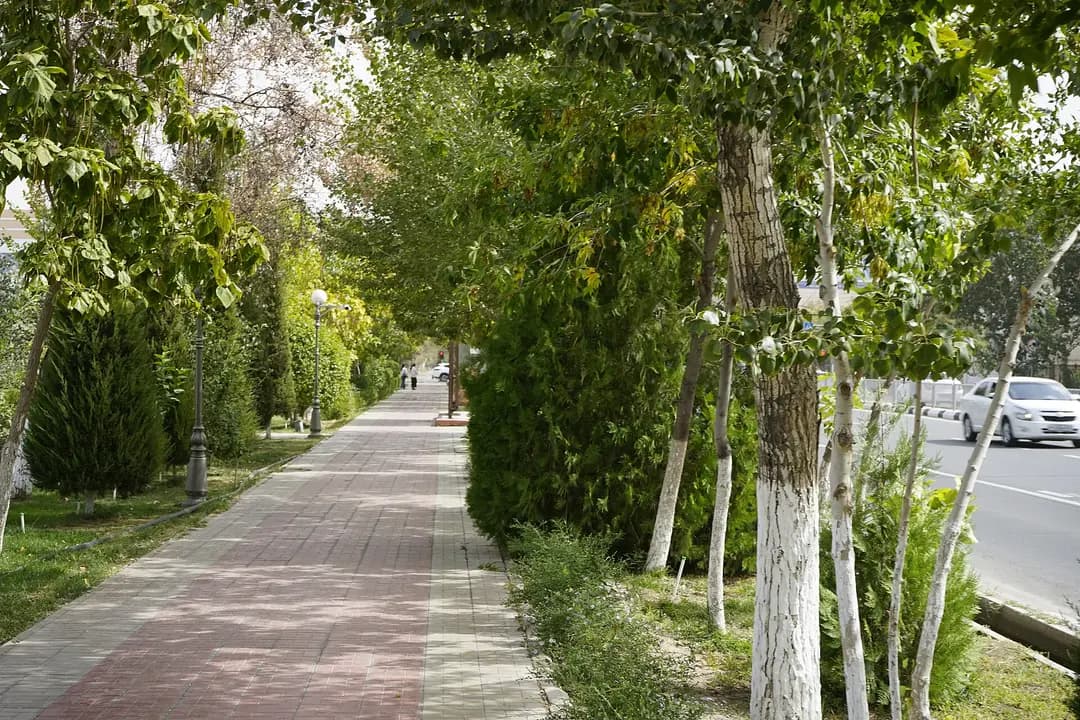
Kungrad lies in the north of Karakalpakstan, a few hours' drive from Nukus, and for many travellers it is the gateway to the most unusual part of the country: the Ustyurt plateau, the former seabed of the Aral Sea and Muynak. The town itself is industrial and businesslike, but it sits at a crossing of roads, so it is a convenient launch point for desert expeditions.
Distance and travel time
It is about 100 to 130 kilometres from Nukus to Kungrad, and the drive takes roughly an hour and a half to two hours by car. The highway crosses flat country with sparse settlements, fields along canals and stretches of semi-desert. The asphalt is generally acceptable, but some sections have potholes and roadworks, and in strong heat the surface softens. Summer temperatures can exceed forty degrees, while in winter cold winds blow.
Karakalpakstan is sparsely populated, so there are few fuel stations on the highway. Fill up in Nukus and carry water, especially in summer.
How to get there from Nukus
Train
Kungrad is linked to Nukus by rail. Regional trains and passing services run, but the timetable is not frequent. Buy tickets ahead in the railway app or at the ticket office; prices and travel time change.
Buses and minibuses
Minivans and buses run from Nukus bus station to Kungrad. They leave when full and are usually inexpensive. Stops on the way add time, and in the heat the cabin gets stuffy.
Taxi and shared rides
A taxi gives a quick start and suits a group of three or four. If you travel alone or as a pair, it is cheaper to join a driver already going to Kungrad. In the Yo'ldosh app you book one seat and see the driver's profile and departure time. On long empty stretches this format is also calmer: you know who you are travelling with. See trips on Nukus to Kungrad and Kungrad to Nukus.
Kungrad as a base for Ustyurt
Ustyurt is an enormous plateau between the Aral and Caspian seas, with steep edges called chinks and endless plains. It is a harsh, beautiful and almost empty landscape. From here you can head to:
- The chinks of Ustyurt, sheer limestone cliffs with huge panoramas;
- The former Aral seabed: salt flats, dried-out stretches and remnants of the shoreline;
- Muynak, the former port with its ship graveyard. The road from Kungrad to Muynak takes about two hours.
Off-road routes across Ustyurt are organised by local guides and agencies, and you should not go on your own: there is no signal, no roads in the usual sense, and it is very easy to lose your way. Bring enough water and fuel, warm clothing for the evening and a reserve of time.
What to see in Kungrad itself
Kungrad is called a railway and industrial town, and it has few beautiful monuments. But it is worth:
- walking through the bazaar and trying local flatbread, melons and Karakalpak dishes;
- seeing how a modern Karakalpak town lives;
- choosing a hotel or guest house to stay overnight before heading out to Ustyurt.
Accommodation is limited, so book ahead in high season.
When to go
The best time for Ustyurt is spring and autumn: summer is hot, and winter is cold and windy. In spring the desert is especially expressive, with steppe plants in flower and a comfortable temperature. In autumn the air is clear, but it gets dark early.
Practical tips
- Carry water at a rate of at least two to three litres per person per day, more in the heat.
- Cash is essential: card terminals in villages are few.
- Dress for the season: the desert is noticeably colder at night than by day.
- For off-road trips, hire experienced drivers and guides.
- Tell someone your route: signal on the plateau is unreliable.
Plan your trip
To book a seat, open Nukus to Kungrad or Kungrad to Nukus. Other directions are in all routes. If you are a driver who regularly travels the north of Karakalpakstan, the for drivers page lets you publish a trip and take passengers.
Cover photo: Carl Ha, CC BY-SA 4.0, Wikimedia Commons.
