A Craft Route: Rishtan, Margilan, Chust and Gijduvan
A route for lovers of ceramics, silk and knives: where the workshops are, how to arrange visits and how to bring home a real piece instead of a souvenir.
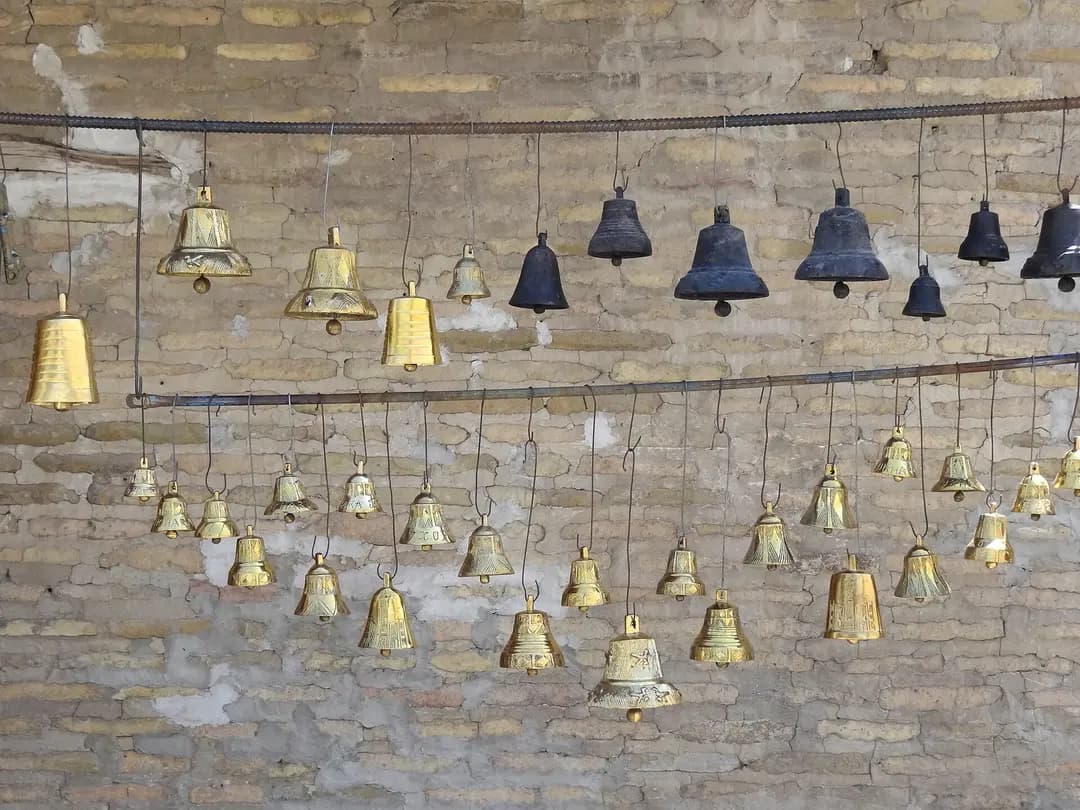
Uzbekistan is a country where craft still lives in families and secrets pass from father to son. Each town has its own speciality: pottery in one, silk weaving in another, forged knives in a third. A craft route lets you see the process from the inside, talk to the masters and buy a piece without a mark-up. Here is how to put one together.
The idea behind the route
The route splits into two blocks. The Fergana Valley gives you three craft centres at once: Rishtan, Margilan and Chust. The Bukhara region adds Gijduvan with its own school of ceramics. They fit neatly into a trip of five to seven days if you start in Tashkent, tour the valley and then go on to Bukhara.
Rishtan: red clay and blue-turquoise glaze
Rishtan is one of the oldest ceramic centres in the region, about 50 kilometres from Kokand. Local masters use red clay and a glaze made from plant ingredients, and the tableware carries a pattern you cannot mistake: birds, flowers, geometry. In the workshops you will be shown the entire cycle: preparing clay, throwing on the wheel, painting, firing. You can try the wheel yourself. Details: Kokand — Rishtan.
Margilan: silk woven the old way
Margilan has long been regarded as the silk capital of the valley. Factories show the full path from cocoon to cloth: reeling the thread, dyeing, weaving. The town's special pride is khan-atlas, fabric with the abr pattern, that is, blurred, cloud-like designs. The bazaar and shops sell fabric by the cut, scarves, shawls and ready-made robes. If it matters to you that an item is natural, ask to see the thread and ask what fibre the fabric is made of. Route: Fergana — Margilan.
Chust: knives and skullcaps
Chust is not far from Namangan and is known for two crafts. The first is the pichok knife with its distinctive handle and blade, forged by hand. The second is the duppi skullcap with a black background and white pattern, which has become a symbol of the region. In Chust you can visit a forge, watch a master at work and choose a knife. Remember that knives cannot go in hand luggage on a plane. The trip is described on the Namangan — Chust page.
Gijduvan: a different school of ceramics
Gijduvan, forty-five kilometres from Bukhara, differs from the Rishtan school: tableware here is covered in a more restrained glaze with dark ornament. Family workshops are open to visitors, and masters gladly explain the technique. The town is also known for the mausoleum of the spiritual teacher Abdulkhaliq Gijduvani. Combine pottery with the shrine and the day becomes more varied.
Arranging visits
- Ask your guesthouse host in advance which workshops are working now and request a call: many receive guests by arrangement.
- Arrive in the first half of the day: masters work in daylight.
- Ask for the process to be explained, not just the goods shown. It shows respect for the labour and is the best way to understand the price.
- Do not rush to buy at the first shop. Compare two or three workshops.
- Ask whether the piece was made by hand in that workshop and ask to see where it is dried.
Telling a genuine piece from a copy
- Handwork is always slightly uneven: the pattern is not perfectly symmetrical.
- Ceramics with the master's mark are priced higher, and that is fair.
- Very cheap silk is likely blended with synthetics.
- A real knife has a clean edge and a blade firmly set in the handle.
- A price should be explained by labour, not only by where you are buying.
Getting between towns
Intercity minibuses link the main centres, but public transport does not always reach small workshops. A good approach is a shared ride through Yo'ldosh. You book a seat with a verified driver heading your way, pay only for your seat and choose the time freely. For a multi-town route this is much cheaper than hiring a car for the day and more convenient than changing at bus stations.
Cost and what to bring
Prices for crafts vary a great deal, and naming exact sums makes little sense: a plate, a fabric and a knife cost different amounts depending on the work, size and master. Use the market as a guide and compare. Bring cash, since terminals are not everywhere, and packing material for fragile items.
Browse all routes to pick convenient rides between towns, and if you plan to drive your own car, take a look at the for drivers section.
Cover photo: Adam Jones from Kelowna, BC, Canada, CC BY-SA 2.0, Wikimedia Commons.
