Uzbek Sweets: Parvarda, Nisholda, Halva and Navat
The oriental sweets sold at every bazaar: what they are made of, how to choose good ones, store them properly and carry them home.
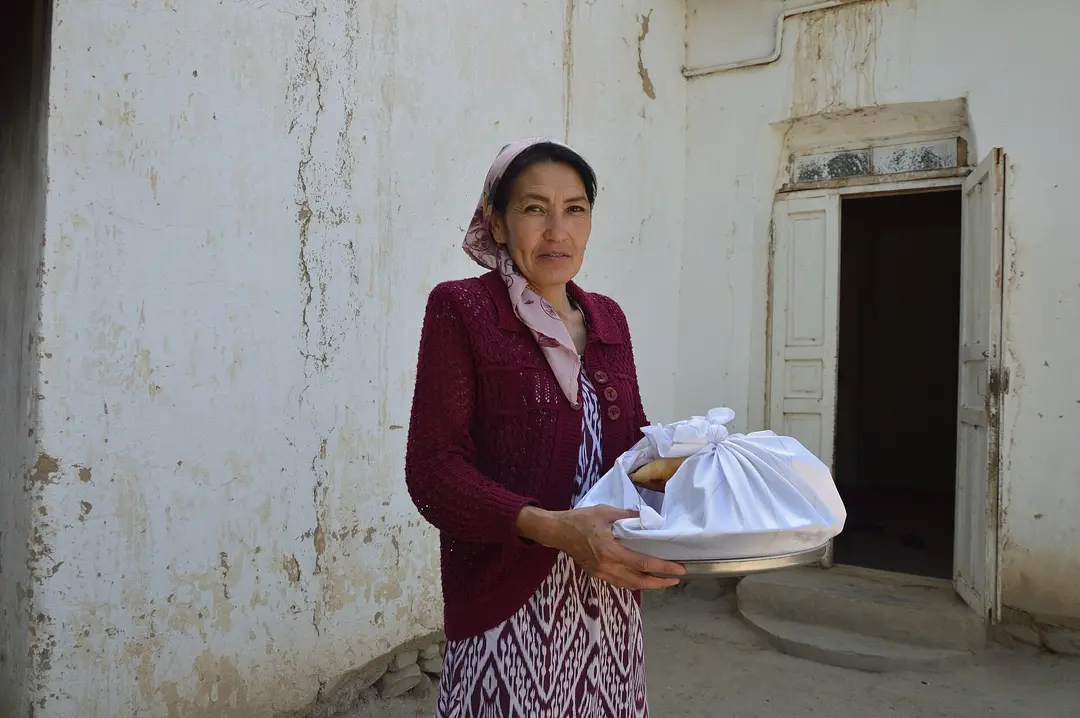
An Uzbek table is considered incomplete without sweets. Tea is always served with candy, halva, dried fruit and nuts, and at any bazaar vendors compete to offer you a taste. Here is what is what, and what to watch for before you buy a kilo or two as gifts.
Navat: sugar for tea
Navat is large sugar crystals grown on strings or sticks. They come in white, yellow and pinkish shades, sometimes with saffron added. Navat is not dissolved in tea; you put a piece in your mouth and sip tea with it. It is believed to be good for colds and sore throats.
How to choose:
- the crystals should be large, clean and dry;
- sticky or damp navat suggests poor storage;
- it is usually sold by weight, so ask for it to be weighed in front of you.
Parvarda: candy with a delicate texture
Parvarda is soft sweet sticks or pieces made from sugar, syrup and starch. They are crumbly, melt in the mouth and often smell of rose water or vanilla. In Samarkand and Bukhara parvarda is sold at every bazaar, and sometimes made in front of customers.
What matters:
- parvarda is very fragile, so carry it in a rigid box;
- it fears moisture, so keep it somewhere dry;
- flavours include vanilla, nut and sesame.
Nisholda: whipped sweet for festive days
Nisholda is an airy white mass whipped from soapwort root (or a substitute), sugar and egg whites. Its texture resembles thick marshmallow or souffle. Traditionally it is made in winter and on holidays and served with flatbread or tea. It is rarely bought because it quickly loses its shape, but if you get a chance to taste it, take it.
Since it is a perishable dessert, do not take it on the road. Eat it on the spot.
Halva: from sesame to nut
Uzbek halva differs noticeably from the familiar sunflower kind. It is made from flour, butter and sugar, sometimes with nuts and sesame. It can be soft and stretchy, or dry and crumbly. Kokand halva deserves a story of its own: it is considered one of the best, and the region has legends about it.
What to look for when buying:
- the seller will usually let you taste, so do not be shy;
- good halva should not be bitter or smell of rancid oil;
- homemade halva has a short shelf life, so ask when it was made.
Other sweets worth trying
- Sumalak: a festive Nowruz dish, cooked only in spring.
- Chak-chak: honey-coated balls of fried dough.
- Pishmak: fried pieces of dough dusted with powdered sugar.
- Nut candies: confections made with various nuts.
- Lollipops: colourful hard candies on a stick.
Many of these are available only in season, so look at what is being sold right now at the bazaar.
How to choose, store and carry
Choosing. Buy from vendors with steady foot traffic: the goods are fresher. Ask for a taste and do not hesitate to decline if you do not like it.
Storage. Most sweets prefer a dry, cool place. Do not leave them in a car in the sun. Halva and parvarda are best kept in closed containers.
Carrying. Sweets are fragile, so ask for them to be packed in a firm box or a paper bag. Do not put them at the bottom of a bag under heavy items. If you fly, check the carry-on rules and your country's restrictions on bringing in food.
How much it costs
Prices depend on the city, the season and the quality. Roughly speaking, navat and parvarda are inexpensive, while halva costs more, especially with nuts. The final price depends on the seller, so ask the price per kilo and compare in several rows.
Where to buy
Sweets are sold at every major bazaar in Uzbekistan. In Tashkent that means Chorsu and Alay, in Samarkand Siab, and in Fergana and Kokand the local markets. If you want to go to Kokand itself for halva, note that the road from the capital takes about 4 to 5 hours by car. A trip is easy to organise with shared rides: on the Kokand — Tashkent page drivers post return trips, so you can buy sweets at the local market and return home without hauling bags on trains. You book a seat in the Yo'ldosh app, and other directions are collected on the all routes page.
Etiquette of treats
If you are a guest, sweets are usually put on the table right away, even before the main dish. Do not wait for an invitation: help yourself and drink tea. Your host will be glad if you taste everything. It is better to decline gently: say you are full and place a hand on your heart. It is the accepted gesture of politeness.
The takeaway
Uzbek sweets are not just dessert but part of hospitality. Try navat and parvarda at every bazaar, find a halva you like, and be sure to bring a small assortment home as a gift. The main thing is to buy from trusted sellers, keep them dry and not be afraid to bargain with a smile.
Cover photo: Sinchalak Musulmon, CC BY-SA 4.0, Wikimedia Commons.
