Buddhist Uzbekistan: A Route Through Termez and Surkhandarya
Stupas, cave monasteries and Kushan-era cities in the far south: what to see in Termez and around Denau, and how to fit it all into two or three days.
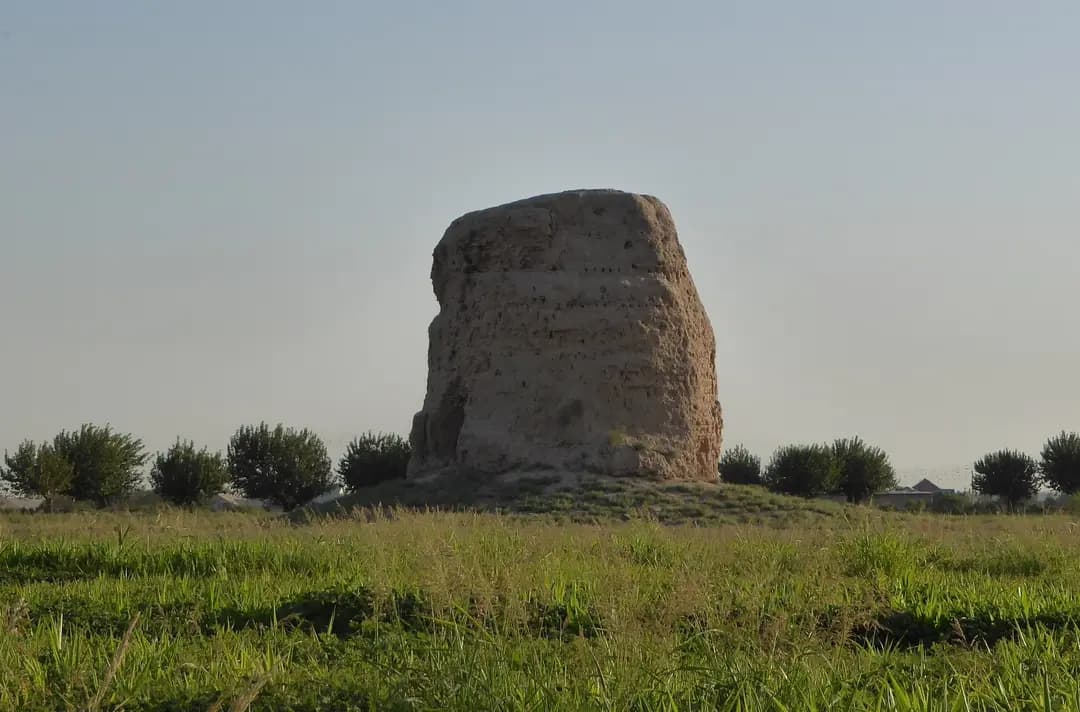
Few people come to Uzbekistan for Buddhism, which is a pity. In the first centuries AD the Amu Darya valley belonged to the Kushan Empire, and Termez was one of the major Buddhist centres north of the Hindu Kush. From here the teaching travelled further east along the Silk Road. Stupas, monasteries and ancient city mounds survive from that era, and the finds are kept in museums in Tashkent and Termez. A two- or three-day route lets you see the essentials and understand what this region looked like before Islam arrived.
Getting to Termez
Termez is the southernmost large city in the country, on the bank of the Amu Darya opposite Afghanistan. By road it is about 700 km from Tashkent, a long day of 10–12 hours with stops. There are trains and flights too, but you will still need a car on the ground because the sites are spread around the surrounding area.
Many travellers break the journey with a night in Samarkand or Qarshi. Direct rides on the Tashkent — Termez route are also common: sharing the car makes the trip noticeably cheaper, and drivers usually know the road over the passes of the Boysun district well.
Day 1. Termez and the nearby sites
The Termez Archaeological Museum is the best starting point. It gathers finds from all over Surkhandarya: Buddha sculptures, fragments of wall paintings, coins of the Kushan kings and models of the monasteries. After the museum, the sites themselves make far more sense.
Then:
- Fayaz Tepe, a Buddhist monastery of the first to third centuries with a courtyard, monks' cells and a sanctuary. Next to it stands a stupa sheltered under a protective dome. The well-known sculpture group of the Buddha with monks, now kept in Tashkent, was found here.
- The Zurmala stupa, a massive brick tower about 13 metres high and one of the oldest surviving structures in Uzbekistan. It rises among fields, and from a distance it is easy to mistake for a natural hill.
- Kara Tepe, a complex of cave and above-ground monasteries on the hills of Old Termez. Some of the Kushan sites along the Amu Darya lie in the border zone, and access rules change from time to time. Check in advance with the museum or a local guide, and do not try to go in on your own.
In the evening you can visit the memorial complex of Hakim al-Termizi. This is the city's Islamic chapter, but it shows well how a single oasis changed both its faith and its architecture.
Day 2. North to Denau
From Termez a highway runs north to Denau, about 130 km and 2–2.5 hours. The Termez — Denau route crosses rural Surkhandarya with cotton fields and views of the Boysuntau mountains.
Two key Kushan sites lie around Denau:
- Dalverzin Tepe, the remains of a large city with a citadel, residential quarters and a Buddhist temple. A famous hoard of gold jewellery was found here in the 1970s. Today you see ramparts, excavation trenches and the overall layout, so look at photos of the finds beforehand to bring the place to life.
- Khalchayan, the site where palace sculptures of the Kushan nobility were discovered. Little remains on the ground, but for lovers of antiquity it is a must.
Denau itself is a lively district town with a bazaar that is good for lunch and for buying dried fruit.
Day 3. Optional: Boysun or the road back
If you have a third day, stop in the mountains of the Boysun district on the way back. This is no longer a Buddhist theme but a cultural landscape of villages, gorges and traditions recognised by UNESCO as intangible heritage. Or simply use the day for an unhurried drive back to Tashkent.
Planning table
| Leg | Distance | Driving time |
|---|---|---|
| Tashkent to Termez | about 700 km | 10–12 hours |
| Termez to Denau | about 130 km | 2–2.5 hours |
| Denau to Termez | about 130 km | 2–2.5 hours |
Figures are approximate and depend on the road and stops.
When to go and what to keep in mind
- Season. Termez is the hottest place in the country. Summer afternoons pass 40°C and walking around the ruins becomes impossible. The best months are March–April and October–November, and winter is pleasant too.
- Documents. Carry your passport: police checkpoints in the south check papers more often than in the centre of the country.
- Guide. For Buddhist sites, a good guide or museum staff member is a necessity rather than a luxury. Without explanation, many excavations look like clay mounds.
- Water and a hat. There is almost no shade on the sites.
- Photography. Do not photograph border installations or checkpoints.
- Tickets. The museum and some sites charge entry, and the amounts change, so check on the spot.
What to read beforehand
The route makes a stronger impression if you know the context: who the Kushans were, how Buddhism reached Bactria and why Greek, Indian and local motifs blended in the art here. Good preparation is to visit the Buddhist hall of the State Museum of History of Uzbekistan in Tashkent before heading south.
Getting between the cities
Public transport barely reaches individual sites, so you will need a driver for the day. Between cities, shared rides are convenient: with Yo'ldosh you can book a seat with a verified driver on the Tashkent — Termez and Termez — Denau routes and pick a departure time that fits your plan. Other routes in the south are listed under all routes.
Cover photo: Muso, CC BY-SA 4.0, Wikimedia Commons.
