Chimgan: A Guide to Tashkent's Main Mountain Resort
What to do in Chimgan in any season: the cable car, trails, horse rides, where to stay and what to bring so that the trip goes smoothly.
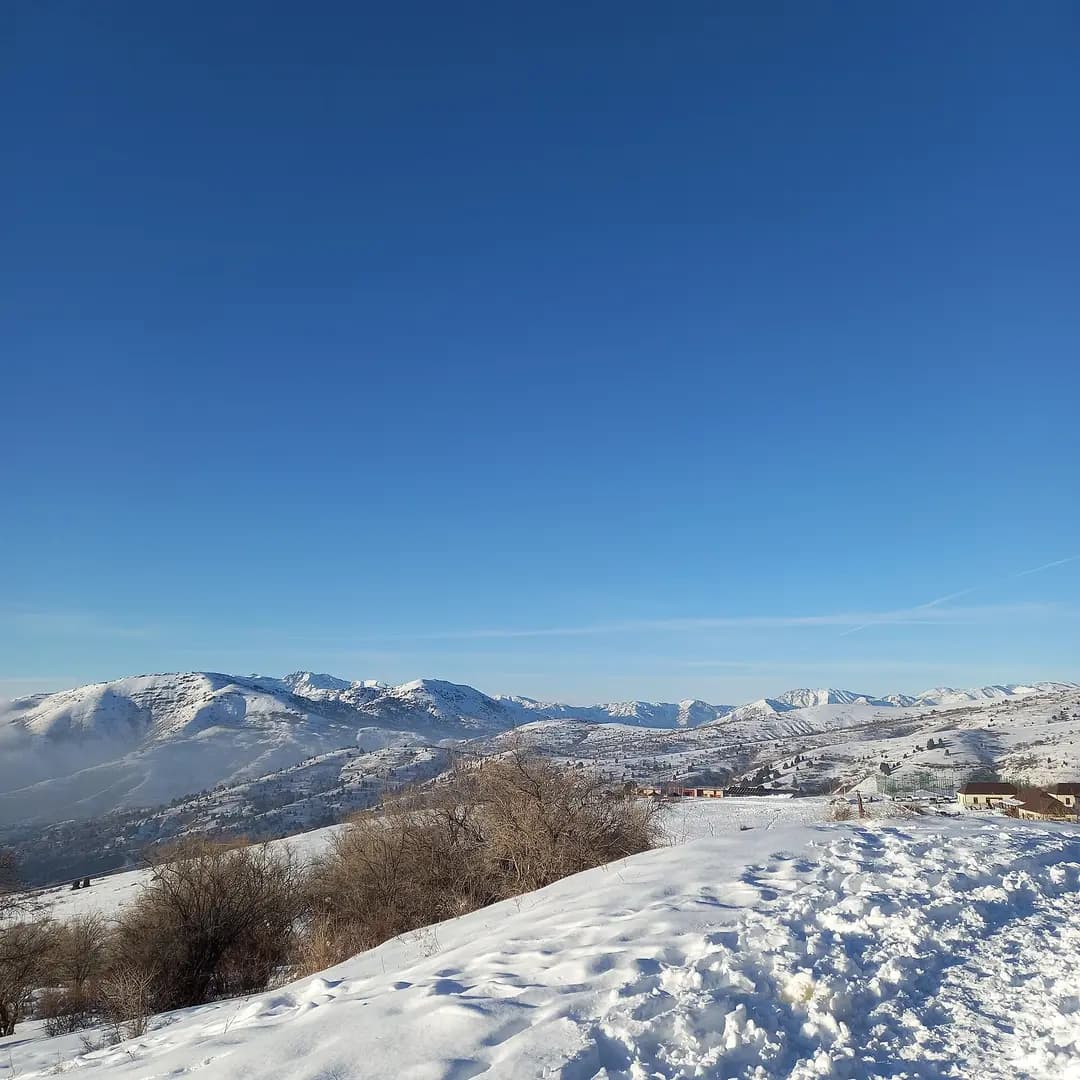
Chimgan is a mountain village in the foothills of the Western Tian Shan, roughly 80 kilometres from Tashkent. For residents of the capital it serves like a dacha or a suburb: people escape here from the heat, for weekends and for snow. For visitors to the country, Chimgan is the most accessible way to see real mountains without leaving the capital's surroundings. Below is a guide to seasons, activities and practical questions.
Where it is and how to get there
The village is in the Bostanlyk district of the Tashkent region, at an altitude of about 1,500 to 1,600 metres. The road goes through Chirchik, Gazalkent and Brichmulla and takes an hour and a half to two hours without traffic. More on the direction: Tashkent — Chirchik. On summer weekends and in midwinter the highway gets busy, so leave before 8 a.m. or on weekdays.
In summer: coolness and activities
When Tashkent is above thirty-five, Chimgan is several degrees cooler and in the evenings you need a jacket. What to do:
- Ride the cable car, with views of the mountain slopes and Brichmulla.
- Walk trails of varying difficulty. Short walks suit families with children, while long routes lead onto the ridges.
- Go horse riding: horses are offered by locals, and it is better to agree the price in advance.
- Have a picnic in a meadow or by the river.
- Rent a quad bike or bicycle where permitted.
In autumn: golden slopes
In autumn the mountains are especially beautiful: walnuts and maples turn yellow, the air is clear and there are fewer people. It is a good time for long walks, but bring warm clothes, since the temperature drops quickly towards evening.
In winter: snow and skiing
From December to March snow lies on the slopes and the lifts run. You can ski and snowboard here, sledge and simply walk snowy trails. The runs suit beginners and intermediate skiers, and nearby are more serious slopes for the experienced. Equipment rental and instructors are available in the resort zone. Lift pass and rental costs vary widely by date, so check in advance. The road can be slippery in winter, and chains are sometimes required on the climb.
In spring: blossom and streams
In spring the slopes turn green with grass and flowers, snow melts and streams roar. It is a beautiful time, but trails can be wet and slides are possible after rain. Assess the weather before setting out and do not climb slopes during a downpour.
Where to stay
Chimgan has boarding houses, small hotels and guesthouses of varying levels, from simple to comfortable. In season and on weekends places run out, so book in advance. On weekdays prices are usually lower and there are fewer people. Conditions differ, so read reviews and check what the price includes: meals, heating and parking.
What to eat
Cafes and teahouses operate in the village. People try shashlik, shurpa, plov, lagman and fresh pastries here. Fruit and nuts are sold at roadside markets. Prices are higher than in the city, which is normal for a resort.
What to bring
- Layered clothing: T-shirt, fleece, windbreaker. Mountain weather changes quickly.
- Sturdy closed shoes for trails.
- Sunglasses and sunscreen: ultraviolet is stronger in the mountains.
- Water and a snack.
- Cash: terminals do not work everywhere.
- In winter: a warm jacket, hat, gloves and waterproof trousers.
Safety
Do not go on difficult routes without a guide, especially in winter and bad weather. Tell your family your plans. Do not swim in mountain rivers without experience: the water is cold and the current strong. Protect nature and do not leave rubbish. Avalanche danger in winter is real, so stay on prepared slopes.
Getting there without a car
Minibuses run to Chimgan from Tashkent, but the timetable depends on how full they are and on weekends there are not enough. A taxi into the mountains costs a fair amount. An alternative is a shared ride through Yo'ldosh. You book a seat with a driver heading towards Chirchik and beyond and pay only for the seat, not the entire car. This makes it easier to plan your outbound and return trips, especially alone or as a pair.
Learn about other trips on the all routes page, and if you want to drive to the mountains regularly, see the for drivers section.
Cover photo: Anvarov Bobur Baxtiyor o'g'li, CC BY-SA 4.0, Wikimedia Commons.
