Staying Healthy in Uzbekistan: Water, Pharmacies and Doctors
Can you drink tap water, how do pharmacies work, where to go for medical help and what to pack in your travel first-aid kit.
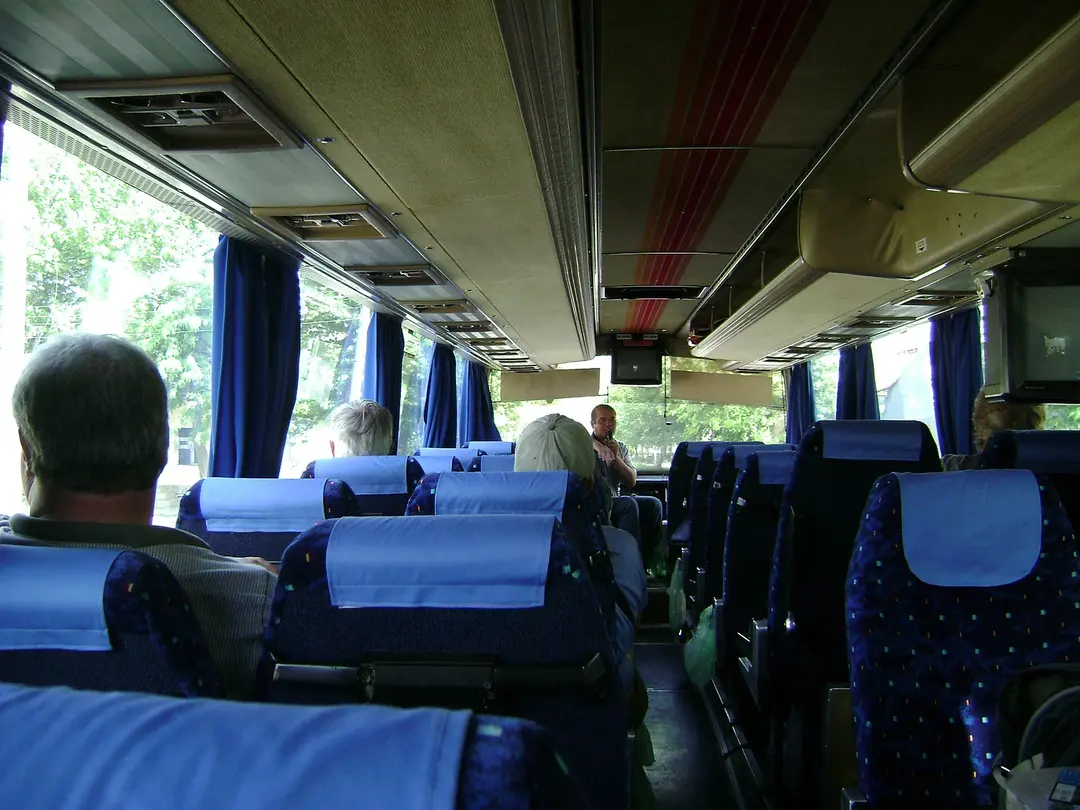
To make sure a trip is remembered for its sights rather than a hunt for a doctor, it is worth settling a few everyday questions in advance. Nothing here is complicated: Uzbekistan has a well-developed network of pharmacies, and big cities have private clinics with modern equipment. Here is practical advice for visitors.
Water: what to drink and what not to
Tourists are advised not to drink tap water, even if locals use it. Water quality varies by region, and a visitor's stomach reacts differently from that of someone used to it. Simple rules work best:
- drink bottled water, which is sold everywhere: in shops, at petrol stations, in cafes and at stations;
- check that the cap is sealed;
- brush your teeth with bottled water if you have a sensitive stomach;
- order ice in drinks only at places you trust.
Tea and boiled water are safe, and green tea is almost always served free or for a token price and quenches thirst well in the heat.
Fruit, vegetables and street food
Uzbekistan is famous for melons, grapes, pomegranates and apricots, and skipping them would be a pity. Just wash fruit and vegetables with bottled water, and at the market taste a little first. Choose street food where there are lots of local customers and the food is cooked in front of you: hot samsa, kebabs and bread are usually safe. Be more careful with salads and dishes that have sat for a long time in the heat.
Heat and sun
In summer, temperatures in Khiva, Bukhara, Samarkand and the desert parts of the country easily exceed 40 degrees. To avoid sunstroke:
- go sightseeing in the morning or toward evening;
- wear a hat and light, covering clothes;
- use sunscreen;
- sip water in small amounts throughout the day.
Pharmacies
Pharmacies are common in Uzbekistan, especially in Tashkent, Samarkand and other large cities. Signs usually say "dorixona" or "аптека". Many stay open late, and Tashkent has some that are open around the clock. Pharmacists often speak Russian, and in tourist areas English too.
Good to know:
- some medicines are sold without a prescription, but antibiotics and strong drugs are best taken only on a doctor's advice;
- show the medicine name on the packaging or on a note with the international name of the active ingredient;
- check the expiry date and that the packaging is intact;
- if you have a chronic condition, bring a supply of your usual medicines and a copy of the prescription.
Where to find a doctor
Big cities have private clinics and medical centres where you can get a consultation quickly. Tashkent offers the widest choice. If something serious happens, call an ambulance on 103 and give your address. In the regions, help is available at district hospitals, though the level of service varies. For non-urgent matters, first ask the administrator at your hotel or hostel, who can suggest the nearest reliable clinic.
Arrange travel medical insurance before the trip and save the policy number and the insurer's phone number on your phone.
What to put in a travel first-aid kit
- a painkiller and a fever reducer;
- a remedy for upset stomach and oral rehydration salts;
- an antihistamine;
- antiseptic, plasters, a bandage;
- motion sickness tablets if cars make you queasy;
- sunscreen and after-sun lotion;
- personal medication in its original packaging.
Health on the road between cities
Journeys in Uzbekistan can be long: Tashkent to Samarkand takes several hours by road. On long routes, stretch your legs at stops, drink water and do not skip meals. If you get carsick, sit in front or by a window and take a remedy beforehand. In a shared ride you can calmly ask the driver to make a stop, which is normal practice. On the Tashkent — Samarkand route via Yo'ldosh you book a seat in advance and know the driver, so agreeing on a stop is easier. See all directions on the all routes page.
If symptoms last more than a day, or come with a fever or severe pain, do not put off seeing a doctor.
Cover photo: sussexbirder, CC BY 2.0, Wikimedia Commons.
