Money in Uzbekistan: Cards, Cash and ATMs
Where Visa and Mastercard are accepted, what Humo and Uzcard are, how to withdraw soums and how much cash to carry to the regions.
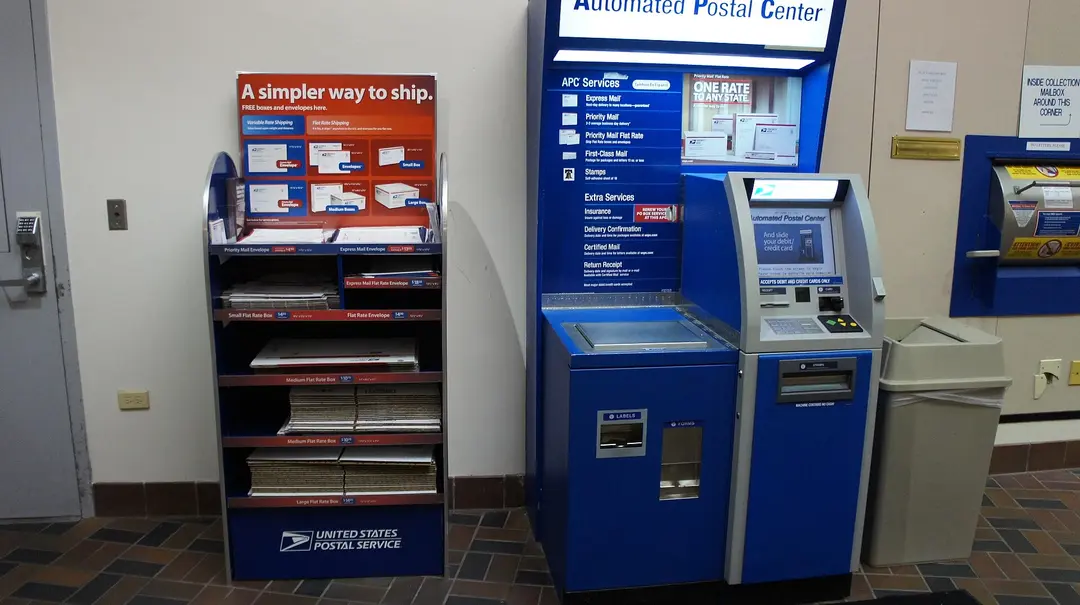
Money is one of the first questions before a trip to Uzbekistan. The country is digitalising fast, but cash still plays a big role, especially outside Tashkent. Below is a practical picture: what to pay with, where to withdraw money and how not to run out of funds on the road. The information is general, and bank rules and exchange rates change, so check current terms with your own bank before you travel.
The national currency
Uzbekistan's currency is the Uzbek soum (UZS). Notes are large in count, so thick bundles quickly build up in a wallet: prices in soums are expressed in thousands. For example, lunch in a simple cafe costs several tens of thousands of soums. Do not be alarmed by big numbers. It is best to get used to the denominations right away so you do not mix up notes.
Local payment systems: Humo and Uzcard
Two national payment systems operate in the country: Humo and Uzcard. Most local cards belong to them. Terminals in shops, cafes and bazaars are usually set up for these cards. Payment apps (Payme, Click and others) also work on their basis and are tied to local cards and phone numbers. For a foreigner without a local card this means they cannot be used fully.
Visa and Mastercard
International cards are accepted at large hotels, restaurants, malls and chain shops in Tashkent, Samarkand and Bukhara. In small cafes, at bazaars, in minibuses and in the regions, cash is usually required. Conditions depend on the issuing bank: some foreign cards may not work because of sanctions and technical restrictions. Before you travel:
- Ask your bank whether your card works in Uzbekistan and what the withdrawal and conversion fees are.
- Carry two cards from different payment systems or banks.
- Notify your bank of the trip so that transactions are not blocked.
- Keep a reserve of cash so you do not depend on terminals.
ATMs
ATMs stand in cities near banks, malls and stations. They dispense soums. Some accept international cards, while some take only Humo and Uzcard. If an ATM does not accept your card, try another, preferably at a bank branch or a large mall. Remember:
- withdraw money by day and in busy places;
- check the limit and fee of your bank and of the ATM owner's bank;
- cover the keypad when entering your PIN;
- do not accept help from strangers;
- in small towns and villages ATMs are few, and sometimes empty or out of order.
Cash and currency exchange
It is best to bring US dollars or euros in good condition: crumpled, torn and old notes are accepted less readily. Exchange currency in banks and official exchange points. The rate differs slightly from place to place, so compare two or three points. More on this in a separate article about currency exchange. Keep receipts until you leave the exchange office and count the money when you receive it.
How much cash to carry
Let the route guide you:
- Tashkent. Cards are accepted more widely, but cash is needed for bazaars, transport and small purchases.
- Samarkand, Bukhara, Khiva. Tourist places, restaurants and hotels more often take cards, but guesthouses, teahouses, bazaars and souvenir shops often take only cash.
- Small towns and villages. Almost everything is paid in cash.
A good rule: always carry enough for a day or two without cards. For a trip on the classic route, allocate spending in advance: lodging, food, transport, museum tickets and souvenirs.
Paying on the road
Trips between cities are often paid for in cash. If you travel in a shared car, find out the payment method before the trip. In the Yo'ldosh app you book a seat and see the terms, and on the spot you agree the pickup point and payment with the driver according to the trip's rules. For a trip between Tashkent and Samarkand, for example on the Tashkent to Samarkand route, keep small notes: not everyone has change.
Tipping
Tips are not mandatory but customary. In restaurants about 10 percent of the bill is usually left if service is not included. In taxis people round up. Guides and drivers hired for the day can be given a small amount if you wish. It is a sign of thanks, not an obligation.
Haggling at bazaars
Bargaining is normal at bazaars. Start below the asking price, smile and be polite. Do not haggle if you do not intend to buy. Prices for food and ordinary goods are more often fixed, while souvenirs and carpets are negotiable. Pay unhurriedly and count your change.
Safety
- Do not carry all your money in one place: split it between pockets, a bag and the hotel.
- Do not show thick bundles of cash in crowded places.
- Do not exchange money by hand on the street or with private individuals: it is risky and often a scam.
- Keep an eye on your card when paying in a cafe or shop.
- Turn on transaction notifications in your bank app.
- Write down your bank's phone number in case you lose the card.
What to know about prices
Prices in soums may look large, but converted to familiar currencies they are often low. Specific sums change with the exchange rate and inflation, so do not rely on outdated figures from old articles. Go by price tags and ask the price in advance, especially in taxis and at bazaars.
Bottom line
In Uzbekistan it is practical to combine cards in cities and cash in the regions. Bring dollars or euros in good condition, exchange part at a bank, carry a spare card and small notes for transport. For trips between cities, for example on the Tashkent to Samarkand route, settle payment and cash in advance and the road will go smoothly.
Cover photo: tales of a wandering youkai, CC BY 2.0, Wikimedia Commons.
