The Yodgorlik Factory in Margilan: How Silk Is Made by Hand
From a cocoon in boiling water to shimmering atlas — what the silk factory tour in Margilan shows, how long it takes and how to choose fabric without regrets.
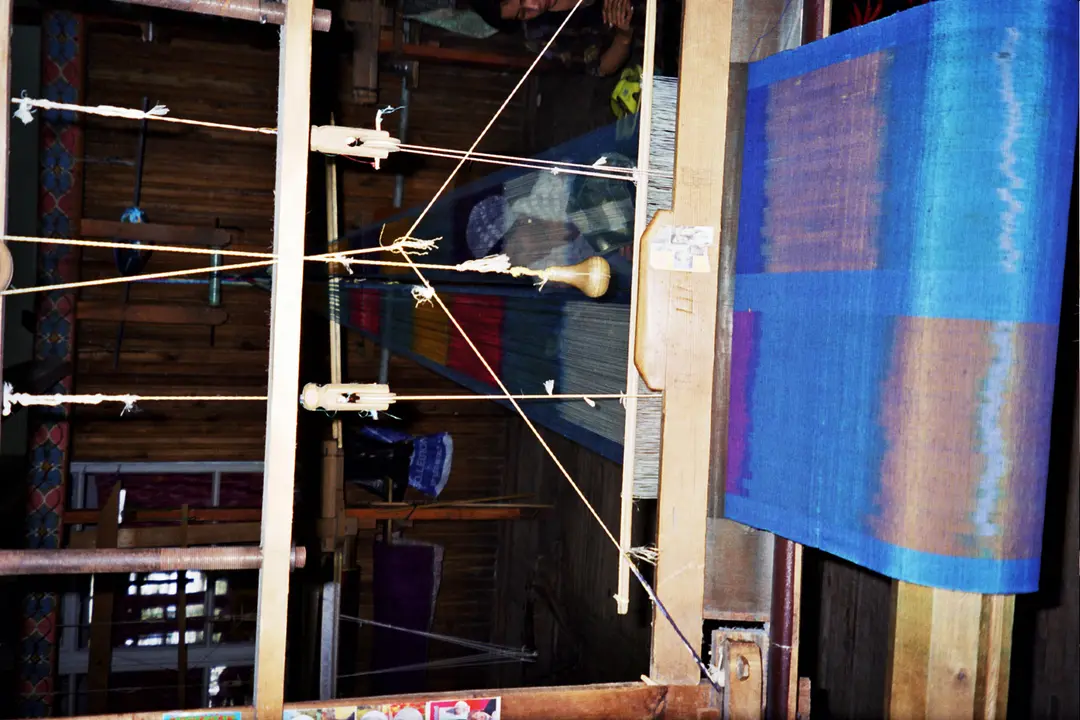
Margilan is called the silk capital of Uzbekistan, and that is no marketing slogan. Silk has been woven here for centuries, and the technique of abr (ikat) fabrics, with blurred patterns that look almost like watercolour, is passed down in families from generation to generation. The best place to see the whole process with your own eyes is the Yodgorlik factory. Here silk is made by hand, almost the same way as a hundred or two hundred years ago, and every stage is shown to visitors.
What Yodgorlik is
Yodgorlik means "memory" or "heritage". It is a small workshop that has been running since Soviet times and kept hand techniques alive when most of the silk in the region was already being produced on machines. Today it is both a working workshop and a place visited by tourists, designers and textile researchers.
The tour follows the process: you move from one workshop to the next and watch a cocoon become finished fabric.
The stages: from cocoon to atlas
1. Cocoons
Everything starts with silkworm cocoons. They are dropped into hot water to soften the sticky substance that holds the thread together. The craftsman catches the ends of the filaments and joins several into one, because a single cocoon filament is too fine.
2. Reeling and twisting
The threads are wound onto large wooden wheels. It is slow, repetitive work that demands precision, as the evenness of the future fabric depends on it.
3. Marking and tying the pattern
This is the most fascinating stage. Bundles of thread are stretched on a frame and the craftsman marks out the pattern. The sections that must stay undyed are then tightly bound. This is how the design of the future ikat ornament is created.
4. Dyeing
The bound threads are dipped into dye. The process is repeated for every colour: tie, dye, untie, tie again. Both synthetic and natural dyes are used — for example, from pomegranate peel, walnut shells, onion skins, madder and indigo. You will probably be shown samples of the raw materials.
5. Weaving
The finished threads are set up on hand looms. The weavers work quickly and rhythmically, and the pattern gradually appears beneath their hands. This is where you understand why abr fabrics have those "floating" edges: the threads shift slightly under tension.
6. Carpets and embroidery
The factory usually also has a carpet workshop, where silk and wool rugs are woven, as well as embroidery studios.
How long the visit takes
| Format | Time |
|---|---|
| Quick tour | 30–40 minutes |
| Detailed tour with questions | about an hour |
| Including the shop | 1.5–2 hours |
Tours are usually given in Russian and English. The fee is modest and changes, so check on site. Photography is generally allowed, but ask before photographing the artisans.
How to choose fabric
The factory has a shop selling fabrics, scarves, clothing and carpets. A few tips:
- Atlas (khan-atlas) is 100% silk, shiny and light. It is the most expensive option.
- Adras is a blend of silk and cotton, denser and more matte, and works well for clothing and interiors.
- Check the density. Hold the fabric up to the light: an even weave with no gaps is a sign of quality.
- Ask about the dyes. Natural dyes give softer shades, synthetic ones brighter colours. Ask which were used.
- Prices. Hand-woven fabric costs more than machine-made, and the price varies a lot with density and pattern complexity. Go by the price tags in the shop and ask.
What else to see in Margilan
- Kumtepa bazaar — a traditional market near Margilan, especially lively on weekend mornings, selling fabrics, skullcaps, crockery and almost anything else.
- Margilan's central bazaar — fruit, dried fruit and flatbread.
- The old quarters — quiet streets where you can glimpse courtyards shaded by grapevines.
How to get there
From Fergana
Margilan is only 15 to 20 km from Fergana, about 20 to 30 minutes away. It is easy to visit the factory in the morning and the bazaar after lunch. You can find a ride on the Fergana — Margilan route on Yo'ldosh — quick and inexpensive.
From Tashkent
The distance is about 300 km, roughly 5 hours via the Kamchik Pass. The mountain road is beautiful but long, so it makes sense to leave early. A shared ride on the Tashkent — Margilan route saves money compared with a taxi and lets you choose a convenient departure time.
When to go
- Spring and autumn — comfortable weather, so you can combine the factory with trips around the valley.
- Summer — the workshops can be hot, especially the dyeing room. Come in the morning.
- Winter — fewer tourists, and the artisans have more time for questions, but check the weather on the pass.
Tips
- Come on a weekday morning, when all the workshops are running.
- Do not touch the threads or looms without permission: the work follows a precise plan.
- If you buy a lot of fabric, ask for it to be packed carefully for travel.
- Leave time for questions — the artisans often share their families' stories.
Why it is worth the trip
A visit to Yodgorlik changes the way you think about silk. Once you see how much handwork goes into a single metre of fabric, you understand why Margilan atlas is so highly valued and why this tradition is part of Uzbekistan's living heritage.
To plan a trip to the valley, look at the Fergana — Margilan and Tashkent — Margilan routes, as well as all routes.
Cover photo: upyernoz from Haverford, USA, CC BY 2.0, Wikimedia Commons.
