Bukhara to Samarkand: when to leave and where to stop on the way
How to plan the drive from Bukhara to Samarkand: the best time to leave, where cars pick you up, and short stops that make the road a better choice than the train.
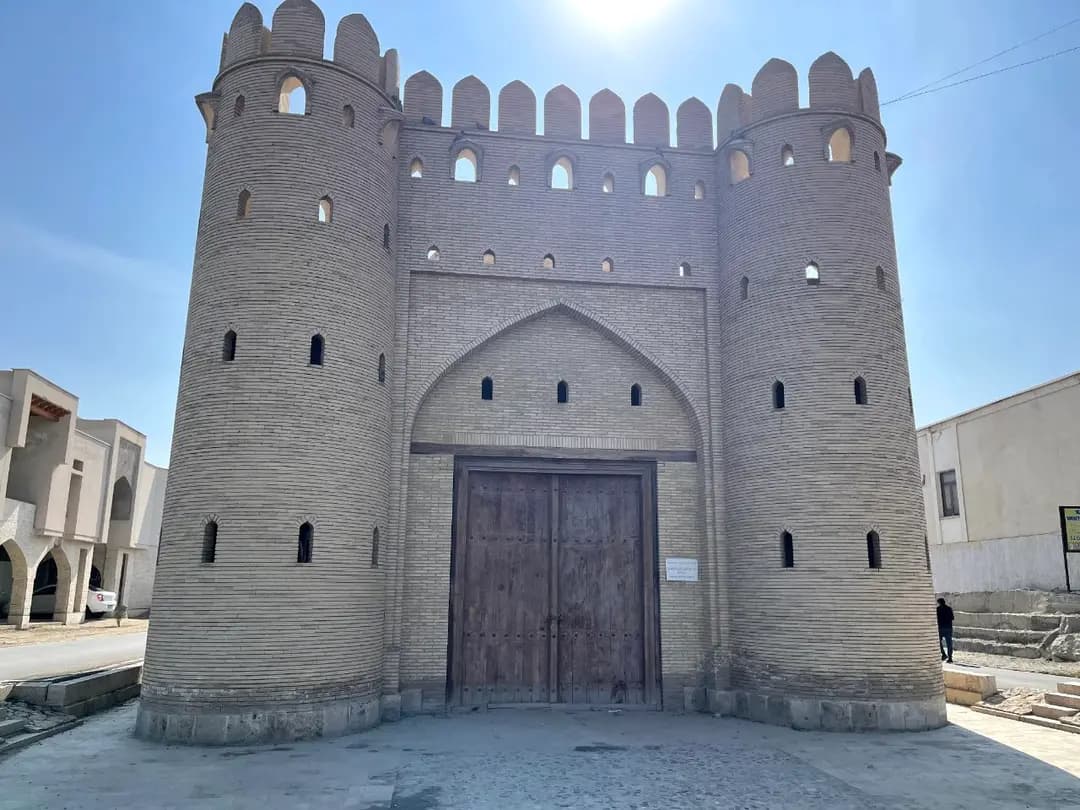
The move from Bukhara to Samarkand usually falls in the middle of a trip around Uzbekistan, when you have found your feet and want more than just to arrive. The road is short, about 270 km, but when you leave and where you stop decide whether it is a dull transfer or one of the best days of your itinerary.
How long it takes
- By car: 3.5–4 hours without long stops, 5–6 hours with stops.
- By high-speed train: about 1.5–2 hours, plus taxis to the station in Kogon and from the station in Samarkand.
- By regular train: about 3 hours.
- To Navoi: about 110–120 km, roughly 1.5 hours by car.
When to leave
Departure time is the key question on this route, and the answer depends on the season.
In summer (June to August) leave as early as you can, at 7 or 8 am. The steppe between Bukhara and Navoi is scorching by noon; even with air conditioning the drive becomes tiring, and exploring caravanserai ruins in the blazing sun is hard work.
In spring and autumn you can leave at 9 or 10 am, have a relaxed breakfast and still reach Samarkand by lunchtime. If you plan to stop along the way, set aside half a day.
In winter it gets dark early, around five in the evening, so set off before lunch. The road is quiet at this time of year, but there may be fog in the morning.
A separate tip: do not travel on a day when you have something tightly scheduled in Samarkand that evening. Stops along the way almost always take longer than you expect.
Where to leave from in Bukhara
Bukhara's old town is largely pedestrian, and cars cannot reach every guesthouse. So on a shared ride the driver usually picks passengers up somewhere easy to reach: a main street near the old town, a hotel in the newer part of the city, or an agreed address. You arrange this in the chat when you book.
If you go by train, remember the station is in Kogon, 12–15 km from the centre. A taxi takes 20–30 minutes, and in the morning it is wise to leave with time to spare.
Stops that make the car worthwhile
Bahauddin Naqshband
Heading east out of Bukhara, not far from the city, is the Bahauddin Naqshband memorial complex, one of the most revered pilgrimage sites in Central Asia. It is calm in the morning, and you can walk around the courtyard and see the old buildings. Dress modestly: this is an active religious site.
Gijduvan
Some 40–50 minutes after leaving you reach Gijduvan, a town of potters. Its ware with yellow and brown patterns is known throughout Uzbekistan. If you want to buy ceramics, what you find here is often more interesting than in the souvenir stalls at tourist sights.
Rabati Malik
The ruins of an 11th-century caravanserai stand right beside the highway, closer to Navoi. The massive portal, the empty steppe all around and the sardoba across the road, a domed underground cistern, give a vivid sense of the Silk Road. 20–30 minutes is enough.
Navoi
Navoi is an industrial city and a convenient place for lunch or fuel roughly halfway. If this is your destination, there is a separate Bukhara — Navoi route: there are plenty of trips on this short section, especially in the mornings and on weekdays.
Kattakurgan
The last big town before Samarkand and a good place for a quick cup of tea. From here it is about an hour to Samarkand.
Train or car
| Criterion | Train | Car |
|---|---|---|
| Travel time | 1.5–3 h | 3.5–4 h |
| Getting to the station | needed, especially in Bukhara | picked up at an address |
| Stops on the way | none | Gijduvan, Rabati Malik, Navoi |
| Luggage | limited | agreed with the driver |
If you are in a hurry or have already seen everything, the train is easier. If you want to see the Silk Road itself and not just its end points, go by car.
Shared rides
For travellers without a car, a seat in someone else's car is a convenient choice. On Yo'ldosh, drivers publish trips on the Bukhara — Samarkand route, showing the departure time, price per seat and the driver's profile. You book in the app and use the chat to agree the pick-up point and any short stops. It usually costs less than a private taxi and about the same as a train ticket.
Travelling with children or older parents
For a family trip, the car is often easier than the train, even if it takes longer. There is no need to haul suitcases to the station in Kogon, go through security and wait to board, and you can stop whenever you need to. A few tips:
- tell the driver in advance if you need a child seat: not every car has one, and sometimes it is easier to bring your own;
- plan a stop every hour and a half to two hours; Gijduvan and Navoi are ideal;
- pack light snacks and water, and in summer wet wipes and sun hats;
- if anyone gets carsick, ask for the front seat when booking.
Other things to keep in mind
- Water and a hat are essential in every season except winter.
- Cash is handy in Gijduvan and at roadside teahouses.
- In Samarkand, ask your hotel for a convenient drop-off point, as there are pedestrian zones in the centre.
Trips on the Bukhara — Samarkand and Bukhara — Navoi routes are published on Yo'ldosh daily, and other directions are on the routes page.
Cover photo: Bobonazarovna, CC BY-SA 4.0, Wikimedia Commons.
