How to get to Zaamin National Park
Through Jizzakh to the juniper forests of the Turkestan range: the road from Tashkent and Samarkand, park entry and finding a car for the last stretch.
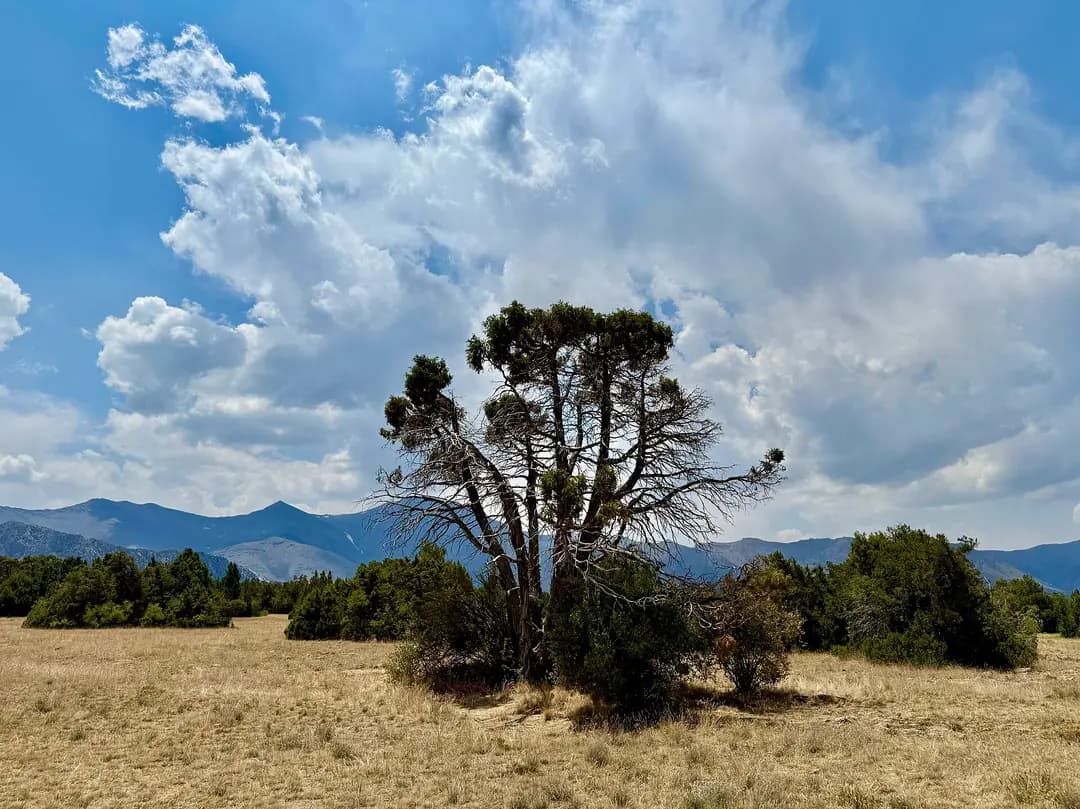
Zaamin National Park is one of the oldest protected natural areas in Uzbekistan. It lies on the northern slopes of the Turkestan range: juniper forests, mountain streams, cool meadows at around two thousand metres and a sanatorium zone where people have long come to recover in the fresh air. In summer it is 10–15 degrees cooler here than down in the valley. But Zaamin is not just around the corner: from Tashkent the trip takes 4–5 hours and is made up of several legs. Here is how to cover each of them.
How the route breaks down
It helps to think of the journey in three parts:
- To Jizzakh. From Tashkent it is about 200 km along the highway via Gulistan, roughly 3 hours. From Samarkand it is about 100 km, an hour and a half.
- Jizzakh — Zaamin town. The district centre lies south-east of Jizzakh, about 1–1.5 hours across the plain and foothills.
- Zaamin — the mountain zone of the park. The last 30–40 km are a climb along a mountain road to the sanatoriums and forest areas, about an hour.
Some drivers turn off the highway before Jizzakh, depending on where exactly you are heading. Check the route to your specific destination in a navigation app before you leave.
Leg one: to Jizzakh
This is the easiest part. Your options:
- Shared ride. On Yo'ldosh there are trips on the Tashkent — Jizzakh route every day: drivers travelling for work or heading home take passengers along. You book a seat in the app and pay only for yourself — usually much cheaper than a taxi.
- From Samarkand. Trips on Samarkand — Jizzakh are regular too, which is handy if you are doing the classic loop and want to fit Zaamin in between cities.
- Train. Trains from Tashkent towards Samarkand stop in Jizzakh; from the station you will need a taxi to the right departure point.
- Bus. Intercity buses pass through Jizzakh, but their schedule is less flexible.
Leg two: Jizzakh — Zaamin
In Jizzakh there are taxi and minibus stands for the district towns, including Zaamin. Cars leave as soon as they are full, so the wait is shorter in the morning. If you are on a shared ride, ask your driver in advance: sometimes someone is going straight to Zaamin or towards the mountains, and you will not need to change.
Leg three: into the mountains
This is the least predictable part. There is little regular transport up to the sanatorium zone, so for the last stretch people usually take a local taxi from Zaamin town. Agree on the price before you get in and discuss the return trip right away: it is hard to find a car in the mountains, and mobile signal is weak in places.
The mountain road is paved but narrow and winding. If you are driving yourself:
- check your brakes and do not let them overheat on descents — go down in a low gear;
- do not overtake on bends, especially trucks and buses;
- in winter and early spring there may be snow on the upper part of the road, so check conditions before the trip.
Entering the national park
There is a checkpoint at the entrance to the protected area. Visitors are registered there and an entry fee is charged for people and vehicles. Fees and rules change from time to time, so check the current conditions in advance; foreign visitors should carry their passport.
A few rules that apply in the park:
- fires are allowed only in designated places;
- cutting juniper or breaking branches is forbidden — juniper grows extremely slowly and is protected;
- take all your rubbish with you;
- do not head into the high mountains without a guide: the state border runs along the ridge, and restrictions apply there.
Where to stay
The mountain area has sanatoriums, holiday resorts and guesthouses. In July and August, when families escape the hot cities, there are few free rooms, so book early. Prices depend on the type of accommodation and the season; look at current offers and ask about meals, as there are almost no shops in the forest zone.
When to go
- May–June — fresh greenery, flowering meadows and full streams.
- July–August — high season: the valley sits above forty degrees, while the mountains are comfortable by day and cool at night.
- September–October — quiet, golden autumn and good conditions for walking.
- Winter — the mountain area is under snow; a trip is possible but needs a well-prepared car.
What to bring
- Warm clothes: even in summer nights can drop to around 10 degrees.
- Comfortable shoes for the trails.
- Cash — the checkpoint and small guesthouses do not always take cards.
- Water and food for the drive up from Zaamin.
Summing up
Zaamin makes a good two- or three-day trip, especially during a heatwave. The easiest way is to reach Jizzakh by shared ride — see trips on Tashkent — Jizzakh and Samarkand — Jizzakh — and then take a car up into the mountains. All other destinations are on the routes page.
Cover photo: 26D, CC BY-SA 4.0, Wikimedia Commons.
