Qorasuv: a border town in the east of the Fergana Valley
How Qorasuv on the Kyrgyz border works, what its bazaar is like, and what travellers heading on towards Osh need to know about documents, money and timing.
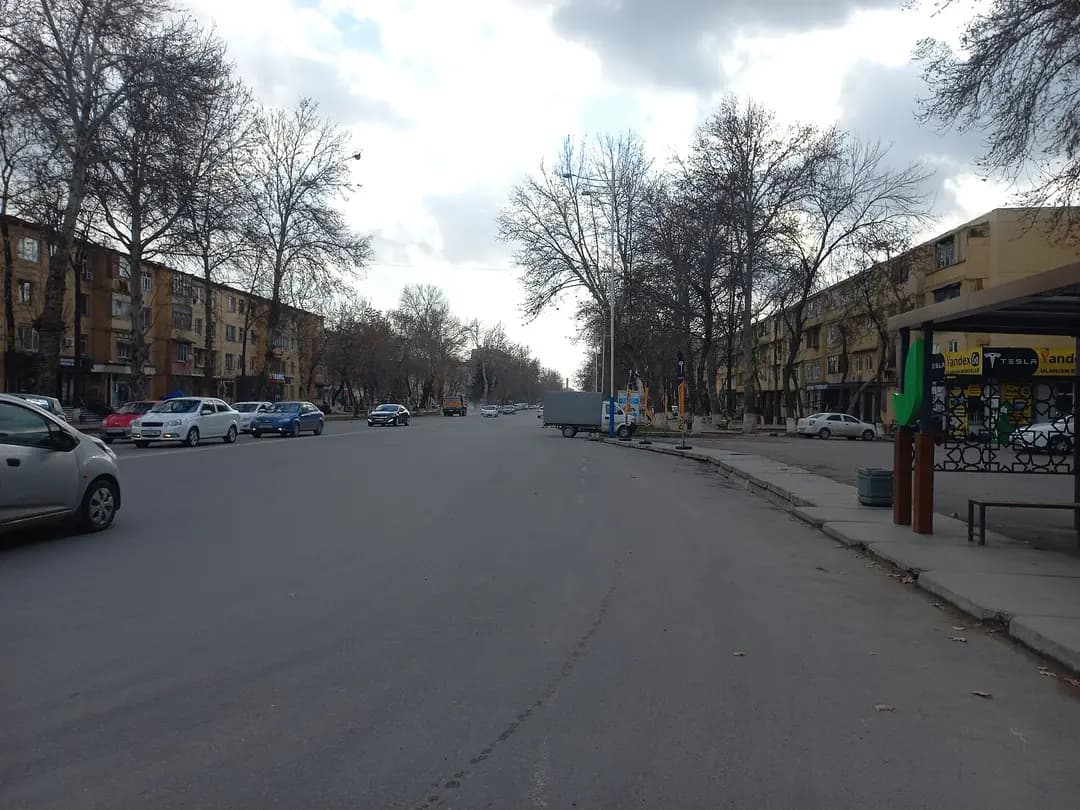
On the map, Qorasuv looks like an ordinary district town in the east of the Andijan region. But once you arrive it becomes clear that this is a special place: the state border runs here, and on the other side lies a Kyrgyz town with a similar name, Kara-Suu. For a long time this was a single trading area, and life here still revolves around trade, the road and the relationship between two neighbouring countries. Here is how Qorasuv works and what is useful to know if you are travelling further.
Where Qorasuv is
Qorasuv lies in the east of the Andijan region, about 35–45 km from Andijan. The drive takes around an hour. The town sits right on the border with Kyrgyzstan; beyond it begins the Osh region of the neighbouring country, and Osh itself is relatively close.
The name means "black water", a term often used in Central Asia for rivers and canals fed by springs and groundwater, as opposed to the muddy rivers that come from glaciers. Around the town are the fertile fields, orchards and canals of the eastern valley.
A town with two sides
Historically Qorasuv and Kara-Suu were one trading centre of eastern Fergana. When state borders appeared, they became two towns in two countries. That shapes a lot:
- Trade. Local people have traditionally made their living from trade, and one of the largest markets in the region operates on the Kyrgyz side.
- Family ties. Many families have relatives on both sides of the border.
- Languages. People speak Uzbek here, and many understand Kyrgyz and Russian.
For a traveller it is a rare chance to see a border running through a living town and to feel how closely the peoples of the valley are connected.
The Qorasuv bazaar
The Uzbek side has its own lively bazaar, with rows of vegetables, fruit, rice, spices, clothing, fabrics and appliances. It is especially busy in the morning. Worth buying:
- Dried fruit and nuts: dried apricots, raisins and walnuts from the foothill orchards.
- Plov spices: cumin, barberries and dried chilli.
- Seasonal fruit: cherries, apricots and peaches in summer; grapes and pomegranates in autumn.
- Bread: Andijan tandoor flatbread is famous throughout the valley.
As at any big bazaar, keep your belongings close and bargain politely.
Where to eat
Qorasuv has teahouses and cafes near the bazaar and on the main streets. Try:
- Andijan plov: with yellow carrots, chickpeas and lamb.
- Shashlik: especially popular in the evening.
- Samsa: including flaky pastry versions with meat and onion.
- Lagman: hand-pulled noodles with meat and vegetables, cooked well here thanks to the influence of neighbouring Kyrgyz and Uyghur cuisines.
Travelling further: practical tips
Many people come to Qorasuv intending to cross the border and travel on to Osh or further into Kyrgyzstan. Before you go, keep in mind:
- Checkpoints. You may cross the border only at official checkpoints. Opening hours, availability to foreigners and rules change, so check current information in advance from official sources.
- Documents. You need a valid passport. Citizens of some countries may need visas or registration, so check the requirements for your nationality.
- Customs. Find out the limits on carrying cash and goods. Never carry parcels or bags for strangers.
- Time. There can be queues at checkpoints, especially on holidays and at weekends. Allow extra time.
- Money. The two countries use different currencies. Exchange money at banks and official exchange offices.
- Phone. Mobile operators differ, and roaming can be expensive; it is easier to buy a local SIM card after crossing.
- Photos. Do not photograph border installations or border guards.
When to go
- Spring and autumn: comfortable weather and full bazaars.
- Summer: hot, but the fruit season is in full swing.
- Winter: cool, with fog in places; the border is busier during holidays.
How to get there
Minibuses and taxis run from Andijan to Qorasuv. A convenient option is a shared ride: on the Qorasuv – Andijan route drivers post trips on Yo'ldosh. You book a seat at the time you need and pay only for yourself. It is also convenient for the return trip when you are coming back from the bazaar with shopping, as there is no need to find a car on the spot.
If you are planning to travel further around the valley, Andijan is a good base: from there you can reach Fergana, Namangan and Margilan, and the road from Tashkent to Andijan over the Kamchik pass takes roughly 5–6 hours.
In short
- Qorasuv is a border trading town with a big bazaar.
- Cross the border only at official checkpoints, after checking the current rules.
- The best time to visit is spring or autumn.
Qorasuv is a place where you can clearly see how the eastern part of the valley lives where two countries meet. To get there and back easily, check rides on the Qorasuv – Andijan route, and find other connections around the valley under all routes.
Cover photo: Olimidono, CC BY-SA 4.0, Wikimedia Commons.
