Khorezm in 2 Days: Khiva and the Desert Fortresses
One day inside the walls of Itchan Kala and one among the mud-brick forts of Ellikkala, with a night in a yurt at Ayaz Kala or a drive back to Khiva for dinner.
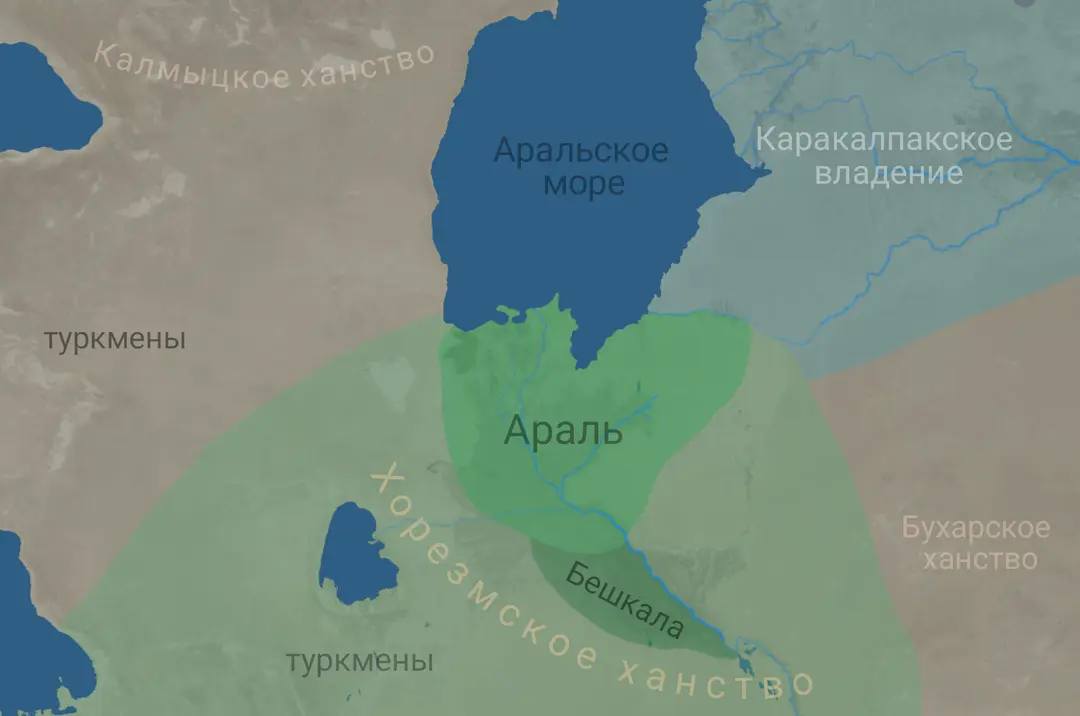
Khorezm is more than Khiva. The museum city inside its fortress walls is the main reason to travel to the west of the country, but not the only one. An hour or two away, on the right bank of the Amu Darya, dozens of mud-brick fortresses have stood for two thousand years. Two days let you combine both experiences: a lived-in medieval town and a desert full of ruins.
Getting there
The gateway to Khorezm is Urgench, the region's main city, with an airport and a railway station. From Tashkent it is a flight of about 1.5–2 hours, or a train journey, including high-speed services via Bukhara. The road from Urgench to Khiva is about 30–35 km, 40 minutes by car. Some trains run all the way to Khiva, but there are few of them, so check the timetable in advance.
Day 1: Khiva within the walls
Itchan Kala, the inner town of Khiva, is a UNESCO World Heritage Site. People live here, hang laundry in their courtyards and children play in the lanes, so it feels less like an open-air museum and more like a living neighbourhood. A combined ticket covers most of the museums; check the current price at the ticket office by the west gate.
An order of sightseeing that works well:
- Morning at the Ota Darvoza west gate: the unfinished, turquoise-tiled Kalta Minor minaret and the Muhammad Amin Khan Madrasa beside it.
- The Kunya Ark fortress, the khans' residence with its throne room and summer mosque. Climb the Ak Sheikh Bobo bastion for a view over the whole town.
- The Juma Mosque, whose roof rests on more than two hundred carved wooden columns, some of them close to a thousand years old.
- The mausoleum of Pahlavan Mahmud, poet, wrestler and patron saint of Khiva, under a tiled dome.
- The Tash Hauli palace, with its harem and richly decorated verandas.
Sit out the middle of the day, especially in summer, at your hotel or a teahouse. Try the Khorezm specialities: shivit oshi, green noodles made with dill, and tukhum barak, dumplings filled with egg. Before sunset climb the Islam Khodja minaret, the tallest in Khiva, or the wall by the north gate. In the evening Itchan Kala empties out, and a stroll through the lit-up lanes is one of the best moments of any trip.
Day 2: the Ellikkala fortresses
The fortresses of ancient Khorezm lie across the Amu Darya in the Ellikkala and Beruni districts, 1.5–2 hours from Khiva. The road from Urgench to Beruni, about 60 km over the Amu Darya bridge, is the simplest reference point if you are coming from Urgench.
A classic day route:
- Kyzyl Kala, a small square fort with well-preserved walls.
- Toprak Kala, a palace city with a tall citadel, where excavations uncovered wall paintings and an archive written in the Khorezmian language.
- Ayaz Kala, three forts on neighbouring hills. The climb to the highest takes 15–20 minutes and rewards you with views over the desert and a salt lake.
The forts are linked by unsigned steppe tracks, and without a driver who knows the area it is easy to get lost. The only shade is next to your car, so leave at first light.
A night in a yurt or back to town
A yurt camp operates at the foot of Ayaz Kala. A night there means dinner by the fire, a sky full of stars with no city glow and sunrise over the fortress. Facilities are basic, and it is worth booking ahead, especially in spring and autumn. If that is not your style, you can head back to Khiva or Urgench in the evening: from Ayaz Kala to Urgench takes about an hour and a half.
What to bring home from Khorezm
Khiva is famous for wood carving: the columns and doors of Itchan Kala were made by local craftsmen, and workshops inside the walls still carve boxes, book stands and small panels today. The other signature souvenir is the chugurma, a shaggy sheepskin hat worn by shepherds and easy to spot in old photographs. Suzani embroidery and carpets are also worth a look. Buy from the makers rather than the first stall by the gate: you can see the quality of the work and the price is fairer. Prices are approximate and bargaining is expected.
When to go
- April–May and September–October are ideal: warm days, cool nights.
- June–August: 40°C and above in the daytime, so the forts are only bearable at dawn.
- November–March: cold, and the yurt camp may be closed; check in advance.
Practical tips
- You will need cash at the fortresses and in the yurt camp.
- Wear closed shoes: the clay and sand slopes crumble underfoot.
- Do not climb walls that are not meant for climbing; they are fragile and protected.
- Khiva fills with tour groups during the day, so the best photos come at 7–8 a.m.
- In summer carry water and a hat even on short walks.
Getting between the sights
Urgench, Khiva and Beruni are linked by good roads, and the distances are short. A shared ride on Yo'ldosh is a convenient way to get from Urgench to Khiva or towards Beruni: you book a seat in the app, drivers are verified and the price is usually lower than a taxi. See rides on Urgench to Khiva and Urgench to Beruni, and plan onward travel under all routes.
Cover photo: Kedaren, CC0, Wikimedia Commons.
