Day Trips from Bukhara: Palaces, Shrines and Gijduvan
A day-long plan around Bukhara: the emirs' summer palace, the Naqshband mausoleum, the potters of Gijduvan and a trip to Navoi, with heat and transport in mind.
Bukhara is compact and many travellers cover it in two days, but its surroundings show another side of the region: country residences, pilgrimage complexes and craft towns. Below are day-trip options with realistic timing, because summer temperatures in Bukhara easily pass forty degrees and the plan has to be built around the heat.
Planning a summer day
If you travel between May and September, leave no later than 8 a.m. and be back in town by lunch. Spend the hottest hours, from noon to five, in the shade of a teahouse or in your room. Spring and autumn are more comfortable and let you stretch the day. Always carry water, a hat and covered clothing for shrines.
Sitorai Mohi-Khosa: the emirs' summer palace
The summer residence of the last emirs of Bukhara is around four or five kilometres from the centre, a 10 to 15 minute ride. The palace blends Eastern decoration with European influences, and its halls house a collection of applied art. A visit takes an hour to an hour and a half. It is the easiest trip and can be paired with a morning stroll through nearby neighbourhoods.
The Bahauddin Naqshband mausoleum
The memorial complex of the founder of the Naqshbandi Sufi order lies about 12 kilometres from Bukhara, in the village of Qasri Orifon, and is one of the main pilgrimage sites in the country. Religious life here is very much alive, so dress modestly, speak quietly and do not photograph people at prayer. The trip with sightseeing takes two to three hours. On the way you can stop at Chor-Bakr, a necropolis on the edge of the city.
Kogon: the gateway to Bukhara
The town of Kogon is about 15 kilometres away and is tied to the history of the railway, since New Bukhara station grew up here. In town, look into the bazaar and the Soviet and pre-revolutionary architecture. It combines well with the Jeyran eco-centre in the direction of Kogon. Route details: Bukhara — Kogon.
Gijduvan: ceramics and a mausoleum
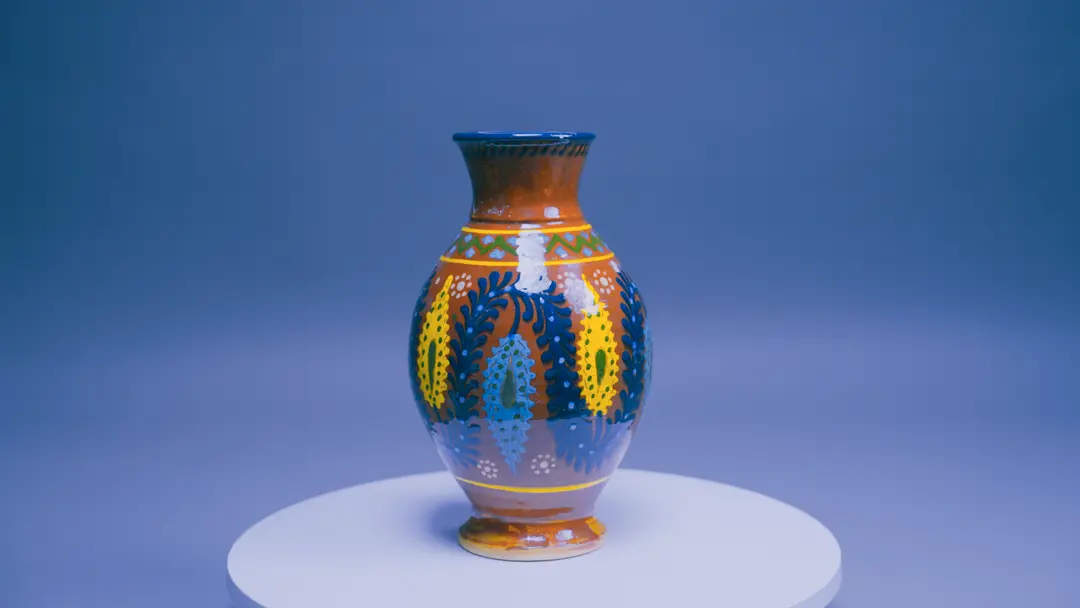
Gijduvan is about 45 kilometres from Bukhara, a drive of 40 to 50 minutes. The town is famous for its ceramic school: patterned glazed tableware with a characteristic dark green and blue decoration is made here in family workshops. You can watch the process from clay to firing and buy plates or jugs straight from the master. The town also holds the mausoleum of Abdulkhaliq Gijduvani, the spiritual teacher from whom the Naqshbandi tradition descends. Half a day is enough for everything. Route: Bukhara — Gijduvan.
Navoi: an industrial city with parks
Navoi lies roughly 110 kilometres from Bukhara, about an hour and a half by road. It was founded in the Soviet era, so its layout and parks are very different from ancient Bukhara. For a day trip the embankment, central squares and the museum are enough. The main reason to go to Navoi, though, is usually something else: routes to Sarmishsay and into the desert start from here. See Bukhara — Navoi.
A ready-made day plan
- 7:30 leave Bukhara towards Gijduvan.
- 8:30 to 11:00 ceramic workshops and the Gijduvani mausoleum.
- 12:00 lunch at a teahouse on the way, plov or lagman.
- 14:00 return and rest in the shade during the hottest hours.
- 17:00 Sitorai Mohi-Khosa and sunset near Naqshband once the heat fades.
This plan combines three directions without rushing. To shorten it, keep Gijduvan and Sitorai.
Transport
Minibuses to Gijduvan run regularly, but public transport to Naqshband and Chor-Bakr follows a timetable. A taxi for the whole day is handy but expensive. A compromise is a shared ride on Yo'ldosh: you book a seat in a car already heading your way and pay only for your seat. For an intercity leg it is usually cheaper than a taxi and more flexible than a bus.
Good to know
- On Fridays some shrines are crowded because of the midday prayer.
- Ceramic workshops mostly work in daylight hours.
- Ask permission before taking photos in workshops and holy places.
- Bring cash for purchases: small workshops may not have card terminals.
- Ticket and souvenir prices are approximate, so check on the spot.
The all routes page helps you pick a suitable trip, and the for drivers section explains how to publish your own ride if you happen to be travelling this way.
Cover photo: AIDEPCUL, CC BY 4.0, Wikimedia Commons.
