Shakhimardan and the Blue Lake
Lake Kulikalon among the mountains, the fast Sokh river and a shrine in the enclave: what to see in Shakhimardan, how to prepare for the road and what to ask in advance.
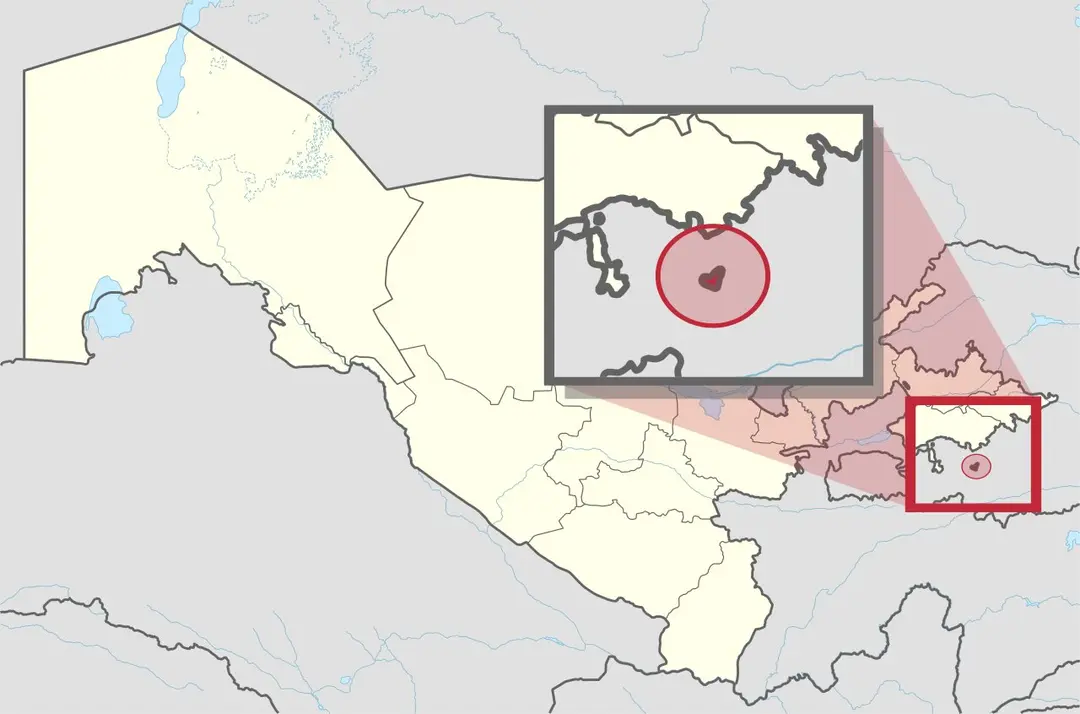
Shakhimardan is one of the most unusual corners of the Fergana Valley. The Uzbek enclave is surrounded by the territory of Kyrgyzstan and sits high in the mountains, so in summer it is noticeably cooler than in the valley. People come for clean air, cold water and views of snowy ranges. The main place for walks is Lake Kulikalon, which is called the Blue Lake. Here is how a trip works.
What Shakhimardan is
The name comes from a Persian expression that can be translated as king of men or abode of the brave, and is linked to the legend of the saint Hazrat Ali. Shakhimardan has a mausoleum regarded as a shrine that draws pilgrims. The village sits in the valley of the Sokh river at an altitude of about one and a half thousand metres. Around are mountains with meadows and forests, streams, waterfalls and trails. It is one of the main mountain resorts of the Fergana Valley, popular with people of the region.
How to get there
Shakhimardan is roughly 80 to 90 kilometres from Fergana. The road passes through Margilan and the foothills: Fergana — Margilan, then climbs into the mountains and crosses the territory of a neighbouring country. So the border has to be taken into account. Depending on current rules there may be border posts and document checks on the way, so carry your passport, check entry conditions for your nationality in advance and find out which requirements apply today. The crossing regime changes, and you should rely on up-to-date information from border services and travel agencies. The road is mountainous, with bends, so the trip takes longer than it looks on the map.
Lake Kulikalon
The Blue Lake lies in the mountains not far from the village. The water is clear and cold, and its colour shifts from blue to green. Around it stretch slopes covered with grass and shrubs. It is an ideal place for a leisurely walk, a picnic and photographs. You can reach it by car along a mountain road or on foot, depending on the season and the state of the road. Swimming is possible only in warm weather and only for the hardened: the water is very cold. In some places the shore is steep, so caution is needed with children.
The Sokh river and surroundings
The Sokh river flows down the valley with the noise and speed typical of mountain torrents. Its banks are popular for picnics, and the water refreshes tired feet on a hot day. Do not go deep into the water: the current is strong and the stones are slippery. Near the village are trails leading to viewpoints and streams, and cafes serve shashlik and fresh trout.
The shrine
The Hazrat Ali mausoleum is a place of pilgrimage, so behave with respect here. Dress modestly: women should preferably cover their heads, and men should not wear shorts. Remove your shoes where customary, speak quietly and ask permission before photographing people.
What to do
- Walk the trails. From easy walks along the river to longer routes.
- Have a picnic. Choose places away from the road and carry out your rubbish.
- Visit the lake. The best time is morning when the water is calm.
- Take photographs. Mountains, river and lake give different shots depending on the light.
- Try local food. Trout, shashlik, bread, honey.
- Rest in the shade. After the heat of the valley, the coolness is welcome.
Seasons
- Spring. Green slopes, flowers, cold water. Roads may be wet.
- Summer. The main season: warm by day, cool in the evening. Many visitors, especially on weekends.
- Autumn. Golden slopes, silence, few people. Evenings are cold.
- Winter. Snow and cold, and the road may be closed.
What to bring
- Passport and documents, especially if you plan to cross the border.
- Warm clothes: at altitude evenings are cold even in summer.
- A raincoat: the weather changes quickly.
- Comfortable closed shoes.
- Water and a snack, though there are cafes on site.
- A hat and sunscreen.
- A rubbish bag.
- Cash: terminals do not work everywhere.
- An offline map, because coverage is unstable.
Safety
Mountain water is cold and fast, so do not swim alone and do not go in deep. Watch children by the river and lake. Do not enter closed zones or photograph border facilities. After rain beware of washed-out roads and rockfalls. Drive slowly, especially on bends. Tell your family the route and return time.
Getting there without a car
Minibuses run from Fergana to Shakhimardan, but frequency depends on the season and how full they are. Part of the way can be done by taxi. For the first kilometres a shared ride is handy: on Yo'ldosh you can find a driver heading along the Fergana and Margilan route and book a seat. You pay only for your seat, so it is cheaper than hiring a car for the day. For the mountain part arrange in advance with a local driver and discuss the return, so as not to be left in the mountains in the evening.
Practical tips
Set off early to be back before dark. Learn entry conditions and road status in advance. Do not schedule the trip for the last day before a flight. Prices for transport, food and lodging are approximate, depend on the season and may change.
Find other directions on the all routes page, and read how to book rides in the for passengers section.
Cover photo: Uzbekeditor, CC BY-SA 3.0, Wikimedia Commons.
