The Jeyran Eco-Centre Near Bukhara
Where to see goitered gazelles, wild asses and Przewalski's horses not far from Bukhara: how a visit works, the best time to go and what to consider when planning.
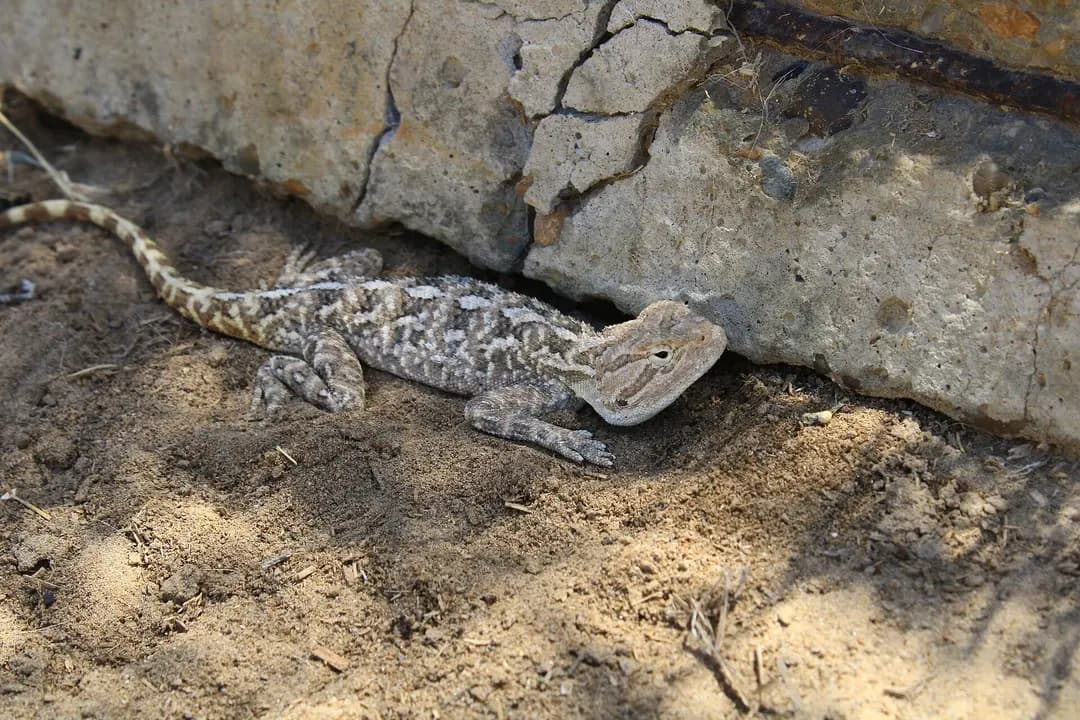
Bukhara attracts with its architecture, but a few dozen kilometres from the city lies a very different world: semi-desert plains where goitered gazelles, wild asses and other rare animals graze. The Jeyran eco-centre breeds and conserves wild ungulates and gives you a chance to see them in a natural setting. It is an interesting half-day trip for nature lovers and a good option for families with children. Here is how it all works.
What the place is
The eco-centre was created to conserve rare animal species, above all the jeyran, or goitered gazelle. It is a graceful antelope that lives in the deserts and semi-deserts of Central Asia. It also keeps kulans, wild asses, and Przewalski's horses, which once lived on the steppes of Mongolia and China and were then returned to the wild thanks to breeding programmes. The animals live in large fenced areas with plenty of room to move, and visitors watch them from a vehicle or from a safe distance.
Where it is
The eco-centre is in the Bukhara region, on a semi-desert plain away from the main highways. From Bukhara it is about an hour's drive, depending on the road. It is best to confirm the exact distance with the trip organisers. The route passes through the town of Kogon, the gateway of Bukhara: Bukhara — Kogon. Another approach runs towards Qarshi: Bukhara — Qarshi. The last stretch is on a dirt road, so in wet weather the trip may be harder.
How a visit works
The eco-centre usually receives visitors by prior arrangement. A typical programme includes a drive through the territory where you see animals from a distance, staff talking about the project and a chance to take photographs. In separate enclosures you may see young animals. A small snack or tea is often arranged. A visit usually lasts from an hour and a half to three hours, not counting the road. The cost depends on the programme and number of people, so it is best to find out when booking.
The animals that live here
- Jeyran. A small graceful antelope with a light gait. Males carry curved horns. Jeyrans look timid, but at the eco-centre they are used to people.
- Kulan. A wild ass, strong and hardy. It resembles both a horse and a donkey and runs fast.
- Przewalski's horse. A rare wild horse with a stocky build and an upright mane. One of the few species that went extinct in the wild and was then revived.
- Birds. Nearby you can see steppe and desert birds, especially in spring.
The best time to go
- Spring. The steppe is green and in flower, and the animals have young. The most beautiful season.
- Autumn. Cool, clear, with golden colours. A comfortable time.
- Summer. Very hot, and many animals hide in the shade by day, so it is better to come in the morning.
- Winter. Cold and windy, but few people. Bring warm clothes.
The best time of day is morning and evening, when the heat subsides and animals are more active.
What to bring
- Light clothes in muted colours so as not to frighten the animals.
- A hat, sunglasses and sunscreen.
- Water: there may be no shops on the territory.
- Binoculars and a camera with a zoom.
- Closed shoes.
- Mosquito and midge repellent, especially near water.
- A warm sweater for cooler seasons.
- Cash to pay for entry and small purchases.
Rules for visitors
- Do not get out of the vehicle where it is not allowed.
- Do not feed the animals or try to touch them.
- Do not shout or play loud music.
- Do not use flash or drones without permission.
- Do not leave rubbish.
- Follow the staff's instructions.
Combining with other places
The trip goes well with a programme in Bukhara. In the morning you can go to the eco-centre and return to the city after lunch to see the Ark, Lyabi-Hauz and the trading domes. On the way you can also stop in Kogon, which has a bazaar. For a two-day trip add Gijduvan with its ceramics, or Navoi.
Getting there without a car
Public transport does not run to the eco-centre. You can order a transfer at your hotel or from local travel agencies. Another option is a shared ride for part of the way. On Yo'ldosh you can find a driver heading along the Bukhara and Kogon or Bukhara and Qarshi route and book a seat. You pay only for your seat. For the last stretch to the eco-centre arrange in advance with a local driver, including the return.
Practical tips
Contact the eco-centre in advance and confirm opening hours, rules and cost. Set off early, especially in summer. Leave a time reserve, since roads can be slow. Prices for tickets, transport and services are approximate, depend on the season and may change.
Find other directions on the all routes page, and read how to book rides in the for passengers section.
Cover photo: Humoyun Mehridinov, CC BY-SA 4.0, Wikimedia Commons.
