Plov and Bread Cooking Classes: Where to Learn in Uzbekistan
The kinds of cooking classes on offer in Tashkent, Samarkand and Bukhara, what you will make with your own hands and how to choose a class you will enjoy.
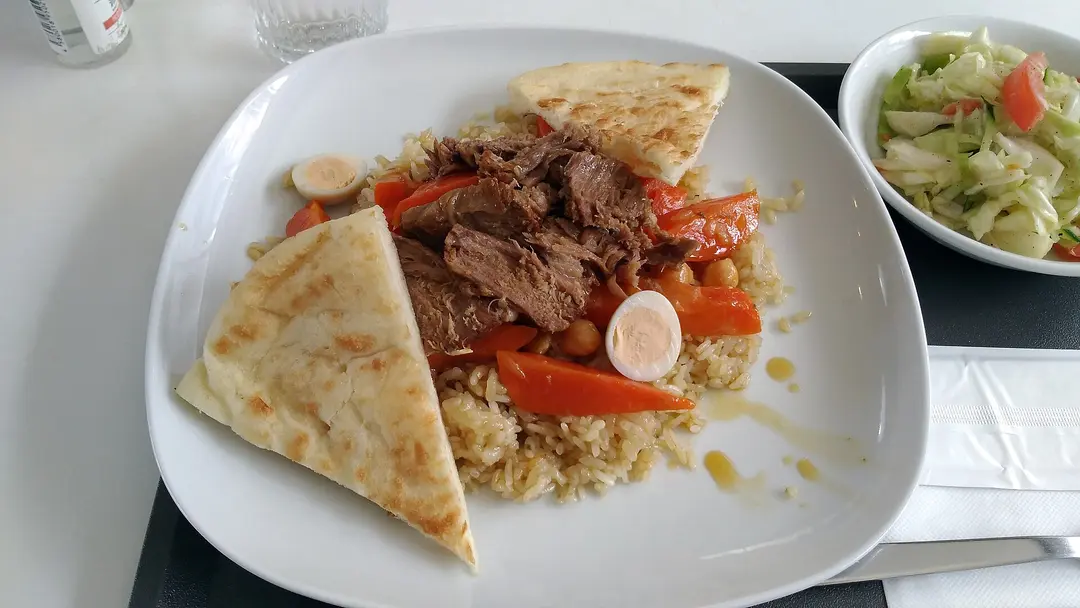
Tasting plov is one thing; cooking it yourself in a real kazan is quite another. Cooking classes have become one of the most popular activities for visitors to Uzbekistan: you get a delicious lunch, a conversation with a local family and a recipe to take home. Here are the formats on offer, what is usually cooked and what to look for when choosing.
Types of cooking classes
Classes in Uzbekistan fall roughly into a few types:
- Home class with a family. You come to a private home or guesthouse, cook with the hostess in the home kitchen or courtyard, and then everyone sits down at the dastarkhan. The warmest and most authentic format.
- Class at a cooking studio or restaurant. A more structured format with workstations, aprons and sometimes English interpretation. Good if you want clear recipes and fixed timing.
- Plov in a big kazan. In some places you can take part in cooking plov over a fire in the courtyard, from searing the meat to layering the rice.
- Bread and tandoor. A demonstration and hands-on baking of flatbread: kneading, shaping, stamping the pattern with a chekich and slapping the dough onto the tandoor wall.
- Combined tours. A morning trip to the bazaar for ingredients, cooking in the afternoon and dinner in the evening.
What you will cook
| Dish | Difficulty | What you learn |
|---|---|---|
| Plov | medium | the order of layering, the role of zirvak, how not to overcook the rice |
| Flatbread | medium | how a tandoor works and where the pattern comes from |
| Samsa | medium | flaky pastry and filling |
| Manti | easy | shaping and steaming dumplings |
| Achichuk and shakarob | easy | how to slice onions and tomatoes properly |
| Lagman | hard | pulling noodles by hand |
Plov: what a class teaches
The essentials of a plov class:
- Zirvak, the base of plov: meat, onion and carrots cut into long matchsticks, fried in oil. The flavour depends on it.
- Carrots: yellow and red, cut by hand, never grated.
- Spices: cumin, barberries, sometimes dried chilli and a whole head of garlic.
- Rice: local varieties, soaked in advance, spread in an even layer and not stirred.
- Steaming: the final stage under a lid, when the rice finishes cooking in the steam.
Every region has its own twist. In Tashkent plov with kazy sausage and quail eggs is popular; in Samarkand the rice is often layered on top of the zirvak and not mixed until serving; Bukhara has its own versions, including some with raisins.
Samarkand and Bukhara: where classes are especially rewarding
Samarkand is famous for its bread: dense, glossy rounds with a patterned centre. A Samarkand bread class is a great choice if you want to see a tandoor in action. Such classes are often held in old-town mahallas and guesthouses.
Bukhara has a strong food tradition and many guesthouses in the old town. Home classes in plov and other dishes are common here, followed by dinner in the courtyard.
Tashkent has the widest range of formats, from studios to home classes, and a morning walk around Chorsu Bazaar adds atmosphere.
How to choose a class
- Check how long it lasts and whether a bazaar visit is included.
- Ask what language it is taught in: Russian is understood almost everywhere, English not always.
- Find out whether you will cook yourself or only watch.
- If you have dietary restrictions, say so in advance: plov can be made with chicken, and salads and bread without meat.
- Prices vary a lot with format and group size; home classes are generally cheaper than studio ones, but prices change, so confirm when booking.
The easiest way to book is through your guesthouse: hosts often run classes themselves or know people who do.
Tips for a great class
- Wear comfortable clothes you do not mind getting dirty: it is hot by the kazan and oil spits.
- Come hungry; portions after the class are always generous.
- Write down the proportions and photograph each stage; it will help a lot at home.
- Buy cumin and barberries at the bazaar: Uzbek plov is impossible without them.
- Ask the hostess for her personal secret; every family has its own.
Getting between cities
Many travellers combine classes in different cities: plov in Tashkent, bread in Samarkand, a home dinner in Bukhara. Travelling between them by car is convenient: Tashkent to Samarkand takes about 4 to 5 hours, and Tashkent to Bukhara around 6 to 7 hours depending on the road and stops.
With Yo'ldosh you can find a shared ride with a verified driver and book a seat in the app. It is usually cheaper than a taxi and lets you choose a time that gets you there before your class starts. Other directions are listed under all routes.
Cover photo: 赤猫法師, CC BY-SA 4.0, Wikimedia Commons.
