Karakalpak Cuisine: What People Eat in Nukus and Muynaq
Flour-and-meat dishes, fish from the lower Amu Darya and soured milk products: what and where to eat in Karakalpakstan on your way to the Aral Sea.
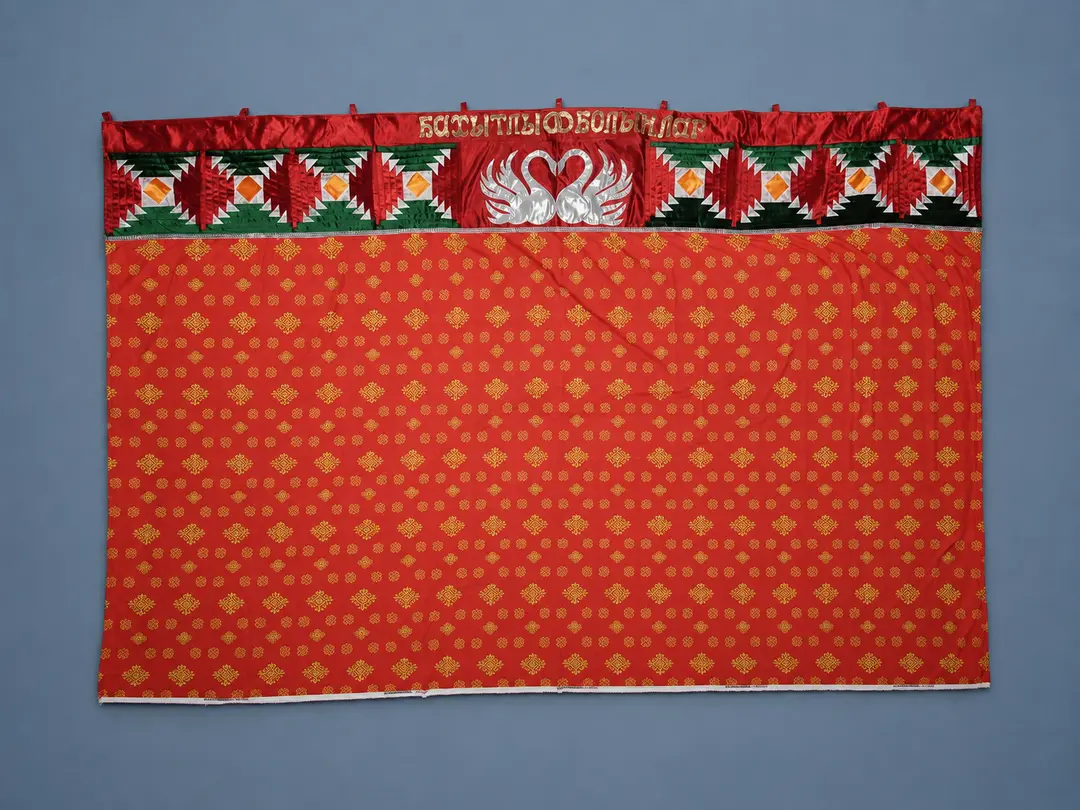
Karakalpakstan is the largest and least populated region of Uzbekistan. It is a land of desert, the Amu Darya delta and what remains of the Aral Sea. Karakalpak cooking grew out of a nomadic way of life, fishing and herding, so it is closer to Kazakh and Turkmen food than to Uzbek. If you are heading to Nukus for the Savitsky Museum or to Muynaq for the ship graveyard, make time for the local food as well.
The basics of Karakalpak cuisine
The region's cooking rests on three pillars:
- Meat and dough. Simple, filling dishes of boiled meat and rolled dough, a legacy of nomads who needed plenty of energy and had little time to cook.
- Fish. For centuries Karakalpaks fished the Aral, the Amu Darya and the delta lakes. Fish dishes here are not exotic but part of everyday life.
- Dairy. Soured milk, ayran and kurt, foods that keep for a long time and travel well.
Spices are used sparingly; what matters is the quality of the meat and the freshness of the ingredients.
Beshbarmak
Beshbarmak is one of the main festive dishes of the Karakalpaks. The name means "five fingers", because it was traditionally eaten by hand. Boiled meat, lamb or beef, is cut into pieces and served on wide sheets of thinly rolled dough cooked in the meat broth. Onions stewed in the broth go on top, and the broth itself is served separately in bowls.
Beshbarmak is made for weddings, family gatherings and honoured guests. Serving follows its own rules: the best cuts go to elders and guests.
Fish: a memory of the Aral
The Aral Sea once fed the whole region. Muynaq was a major fishing port with a cannery, and fish from here was shipped across the country. After the sea retreated, fishing shrank, but fish remained part of the cuisine: it is caught in the Amu Darya and in the lakes and reservoirs of the delta.
What to try:
- Fried fish: carp, catfish or pike-perch fried in large pieces;
- Fish baked in the tandoor or over coals;
- Dried and cured fish, sold at the markets.
In Muynaq and Nukus fish is served in simple cafes, often with flatbread and fresh vegetables.
Flour dishes and baking
- Baursak, pieces of dough fried in oil, served with tea, at celebrations and simply as road food.
- Tandoor flatbread, the basis of every meal.
- Noodles and dumplings with meat in broth, filling and warming, especially in winter, when Karakalpakstan gets very cold.
Dairy products
- Ayran, diluted soured milk that quenches thirst perfectly in the heat.
- Katyk, thick soured milk.
- Kurt, dried salty balls of soured milk. People take it on journeys, and it keeps for months.
- Camel milk and soured drinks made from it, found on some farms and at markets, though not everywhere.
People drink a lot of tea here, often black, sometimes with milk.
Where to try it
- Nukus central market: fish, kurt, baursak, and melons and watermelons in season. You can also have lunch at a simple canteen there.
- Cafes in central Nukus, serving both local and general Uzbek dishes.
- Muynaq, with a few small cafes that almost always have fish.
- Yurt camps near the Aral and in the desert, which often feed guests beshbarmak and fish, usually as part of an overnight stay.
Getting there
Nukus is a very long way from the capital: over 1,000 km by road from Tashkent, a full day or night of driving with stops. Many people take the train or fly, but if you want to see the country through the window, a shared ride is an option. On the Tashkent to Nukus route, Yo'ldosh drivers publish long-distance trips; over that distance it is important to agree on departure time and stops in advance.
From Nukus to Muynaq is about 200 km, roughly three hours through cotton fields and the former seabed. Rides Nukus to Muynaq are easy to book in the app: people usually go to Muynaq for the day to see the ship graveyard and the Aral Sea museum, and return in the evening. Read more about booking on the for passengers page.
Tips for travellers
- Summers here are very hot and dry, so drink plenty of water and ayran.
- In winter temperatures can drop well below zero, when hot broth and baursak are very welcome.
- Kurt makes a great road snack, but it is very salty, so drink more water.
- If you are invited to someone's home for beshbarmak, it is a sign of respect; bring a small gift, such as sweets for the tea table.
Karakalpak food is simple, yet you can taste the region's history in it: nomadic traditions, life by the water and the skill of using what the land provides. Try it in Nukus and Muynaq, and your trip to the Aral will feel even more complete.
Cover photo: AIDEPCUL, CC BY 4.0, Wikimedia Commons.
