Kokand Halva and the Sweet Traditions of the Valley
Why Kokand is considered a city of sweets, how halva is made and where to buy it on the spot. Plus what to see in town and how to combine the trip with the valley.
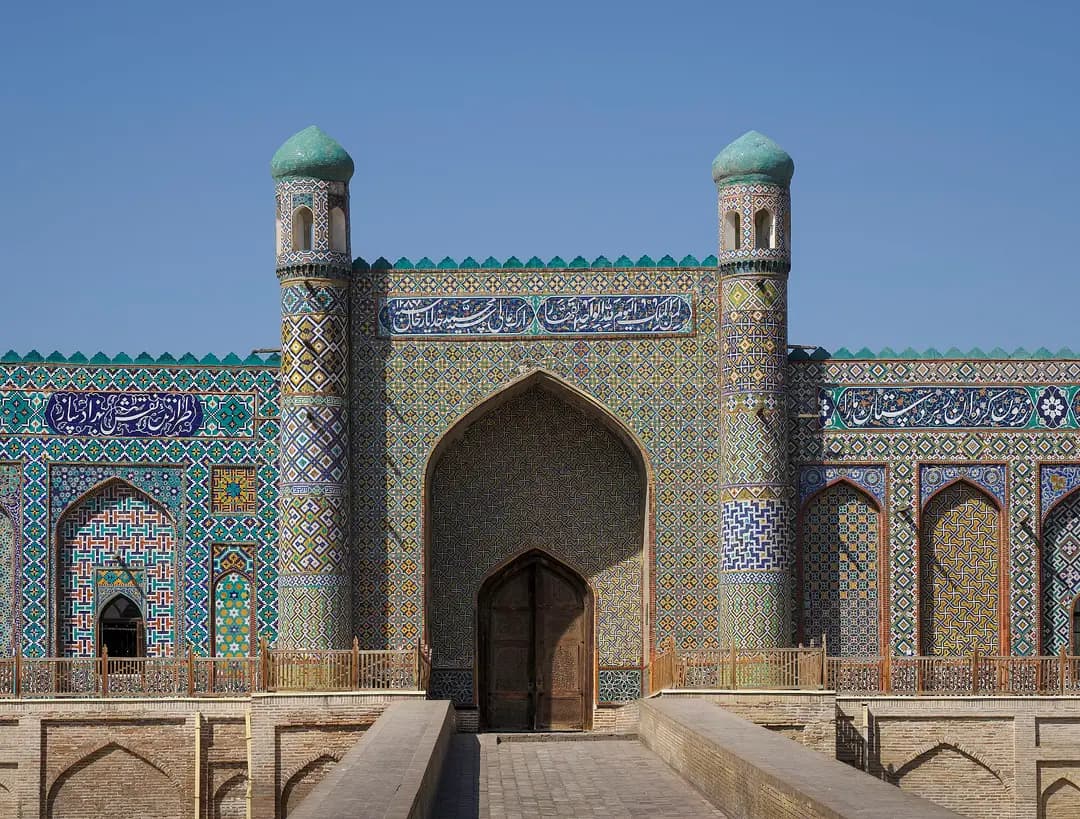
Kokand is one of the oldest cities of the Fergana Valley, and for many sweet lovers it is the region's real gastronomic capital. Halva has been made here since long ago, and the smell of sugar, butter and nuts can be caught right at the market. If you love oriental sweets, a trip here will be a pleasant discovery.
Why Kokand is linked with sweets
Kokand was the capital of the Kokand Khanate, and in that period the city's craftsmen were known in many trades, including cooking. Sweets at Kokand bazaars are traditionally considered among the best, with halva as the chief symbol. The exact reasons for this reputation are hard to pin down, but in practice it holds: many people in Uzbekistan specifically ask to be brought "Kokand halva".
Besides halva, the region makes various sweets with honey and sugar, pastila, and candied nuts and fruit.
What halva is in Uzbekistan
Uzbek halva is not like the familiar sunflower kind. It is made from flour, butter and sugar (or honey), sometimes with nuts, sesame or spices added. As a result it can be soft and sticky or loose and crumbly.
The main features:
- colour: golden or light brown;
- taste: sweet, with nutty notes and a mild buttery aftertaste;
- texture: from dense to delicate, melting in the mouth.
Many masters keep family recipes, so halva differs slightly from seller to seller.
How halva is made
The process depends on the recipe, but in outline it has several stages:
- Flour is fried in butter to a golden colour and aroma.
- A syrup of sugar or honey is cooked separately.
- The hot syrup is poured into the fried flour while stirring constantly.
- Nuts, sesame or other ingredients are added.
- The mass is put in moulds, cooled and cut into pieces.
The process takes time and skill, because wrong syrup temperature or insufficient stirring ruins the texture.
How to choose and buy halva
Halva is sold at markets and in specialist shops. What helps you choose:
- Ask to taste. The seller will gladly give you a piece.
- Look for freshness. Halva should not be dry and brittle at the edges or smell of rancid butter.
- Ask when it was made. Homemade halva does not keep long.
- Compare price and quality across several sellers.
- Ask for a sturdy box or a sealed bag.
Roughly, the price depends on the ingredients: halva with nuts costs more than plain. Check exact amounts on the spot.
Other sweets of the valley
Besides halva, try these in the valley:
- Navat: crystallised sugar to put in tea.
- Parvarda: crumbly candies.
- Chak-chak: dough balls with honey.
- Pishmak and other fried dough.
- Dried fruit and nuts: especially abundant in the valley.
Many of these sweets are described in our article on Uzbek sweets.
What to see in Kokand
Kokand is not only about sweets. The city preserves historic monuments:
- Khudayar Khan's Palace: the former residence of the khanate's ruler with richly decorated interiors;
- the Jami Mosque with tall wooden columns;
- madrasas and mausoleums of the old town.
Half a day is enough for sightseeing. That leaves time for the market, lunch and buying sweets.
A one-day mini-route
- Morning: Khudayar Khan's Palace, before the heat.
- Then the Jami Mosque and a stroll through the old town.
- Lunch at a teahouse: lagman, samsa, tea.
- After lunch: the market and a halva purchase.
- Evening: return home or move on to Fergana.
Getting there and combining with the valley
From Tashkent to Kokand, the road over the Kamchik Pass takes about 4 to 5 hours. On the Tashkent — Kokand page drivers post trips with different departure times, and you can leave early in the morning to fit in a lot. From Kokand to Fergana the way is shorter, about 1.5 to 2 hours, and there is the Kokand — Fergana route for that. So Kokand fits nicely into a valley itinerary: the morning here, the afternoon in Fergana or Margilan. You book a seat in the Yo'ldosh app, drivers are verified, and the price is usually lower than a taxi. Other directions are collected on the all routes page.
Practical tips
- Come in the morning: you will catch the market at its liveliest.
- Carry cash, especially for market purchases.
- Dress modestly, particularly when visiting mosques.
- Photograph people only with permission.
- If you plan to take halva home, consider your country's rules on importing food.
- Do not buy large batches if you are unsure you can eat them: halva keeps for a limited time.
The takeaway
Kokand halva is a small part of the big story of the city and region. Taste at the market, ask the sellers, watch the masters and add Khudayar Khan's Palace to your programme. Then a trip to Kokand becomes more than buying sweets: it is an introduction to the culture of the valley.
Cover photo: Petar Milošević, CC BY-SA 4.0, Wikimedia Commons.
