Boysun: A Mountain Land of Ancient Traditions
The cultural space of Boysun is on UNESCO's intangible heritage list. Here is a look at its rituals, crafts and mountain villages, and practical advice on how to travel here.
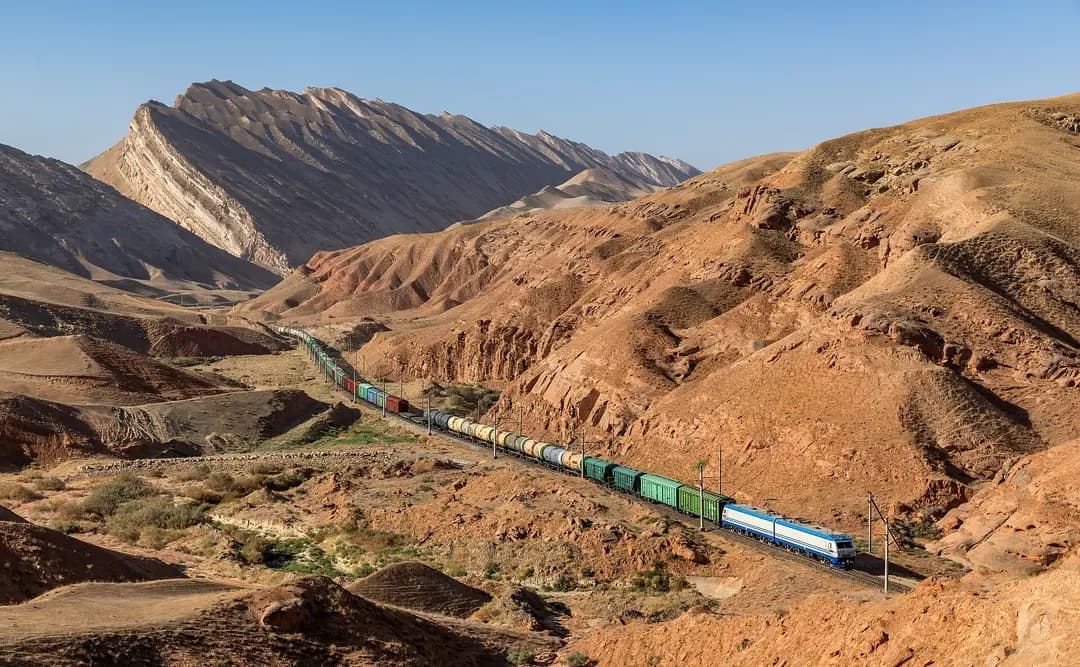
Boysun is a mountain district in the north of Surkhandarya Province, between the Boysuntau Range and the Surkhandarya valley. At first glance it is a small district town among the mountains. Yet ethnographers believe this is where the ancient layers of Central Asian culture have survived best: rituals, songs, embroidery, and wedding and spring ceremonies in which pre-Islamic, Zoroastrian and Islamic traditions are intertwined. In 2001 UNESCO proclaimed the cultural space of Boysun a masterpiece of the oral and intangible heritage of humanity. Here is what that means for travelers and how to get around.
What makes Boysun special
Boysun was relatively isolated for a long time, cut off by mountains, difficult roads and harsh winters. As a result, local communities preserved customs that have long vanished elsewhere. Here you may encounter:
- life-cycle rituals, such as wedding songs, childbirth ceremonies and memorial traditions;
- spring festivities, with Navruz celebrated through ancient games and rites;
- epics and songs, performed by bakhshi storytellers to the dombra;
- crafts including embroidery, weaving, felt-making, woodcarving and traditional dress.
This is not a museum: the traditions are alive and exist first and foremost for the residents themselves, not for visitors.
The Boysun Bahori festival
Every spring the district hosts the Boysun Bahori ("Boysun Spring") folklore festival. Folk ensembles from all over the country perform, and there are craft fairs, traditional costume shows and folk games. It is the best moment to see the full variety of local culture in a few days.
Dates and format vary from year to year, so check in advance and book accommodation early, as many visitors come.
Mountain villages
Dozens of villages surround Boysun, with houses of stone and clay, terraced orchards and pastures on the slopes. Residents farm and raise livestock, while women do embroidery and weaving.
Interesting places to visit:
- Sayrob, a village on the road to Termez known for its huge ancient plane trees.
- Derbent, a village by an ancient mountain pass known in history as the Iron Gates, where the caravan route ran from Bactria to Sogdiana.
- The Boysuntau gorges, with beautiful canyons and caves. In one of them, Teshik-Tash, the remains of a Neanderthal child were found in 1938, one of the most important discoveries in the region's archaeology.
Visit gorges and caves only with a local guide: the trails can be difficult, and mountain weather changes quickly.
How to travel in Boysun
- Find a local guide. It is the best way to reach villages, meet craftspeople and understand what you are seeing. Ask at your guesthouse.
- Respect traditions. Dress modestly and ask before photographing people, especially women and children.
- Buy from the makers. Hand embroidery and textiles make good souvenirs and support local families.
- Take your time. Boysun reveals itself in conversations over tea, not in rushing between sights.
- Be ready for simplicity. Guesthouses are modest but hospitable.
Getting there
| Route | Distance | Travel time |
|---|---|---|
| Termez — Boysun | about 160–180 km | about 3 hours |
| Tashkent — Boysun | about 600 km | 9–10 hours |
The road from Termez heads north through the valley and then climbs into the mountains. Locals travel the Boysun — Termez route, so rides come up regularly.
From the capital it is a long journey via Samarkand, Qarshi or Shahrisabz and mountain passes. A shared ride on the Tashkent — Boysun route costs far less than a taxi, and the driver knows the mountain road.
Where to stay and what to eat
Boysun has a few guesthouses and small hotels. Guesthouses are the best choice: they serve home cooking and can help arrange trips.
What to try:
- plov and lamb shurpa;
- tandoor-baked flatbread;
- fermented dairy and kurt;
- mountain honey and dried fruit.
Prices are low but change, so check with your hosts.
Best time to visit
- Spring (March–May): green mountains, flowers and the festival. The best time.
- Summer: cooler in the mountains than in the valley, though days can be hot.
- Autumn (September–October): mild weather and the fruit harvest.
- Winter: cold, with snow on the passes and potentially difficult roads.
Safety
- In the mountains carry water, warm clothing and a charged phone.
- There is no signal in the gorges, so tell your hosts where you are going.
- In winter and early spring, check mountain road conditions before setting out.
- Keep your passport with you, as there are checkpoints on the roads.
Traveling to Boysun
Boysun is for those who want to see a living tradition rather than a stage set. To get here, choose a ride on Yo'ldosh on the Boysun — Termez or Tashkent — Boysun routes: drivers are verified, seats are booked in the app and you leave at a convenient time. Other directions are on the routes page.
Cover photo: Kabelleger, CC BY-SA 4.0, Wikimedia Commons.
