Holiday Traffic and Travel Demand: A Calendar of Peak Days
When people leave Tashkent in large numbers and return, and how to find a seat in a car or on a train in advance.
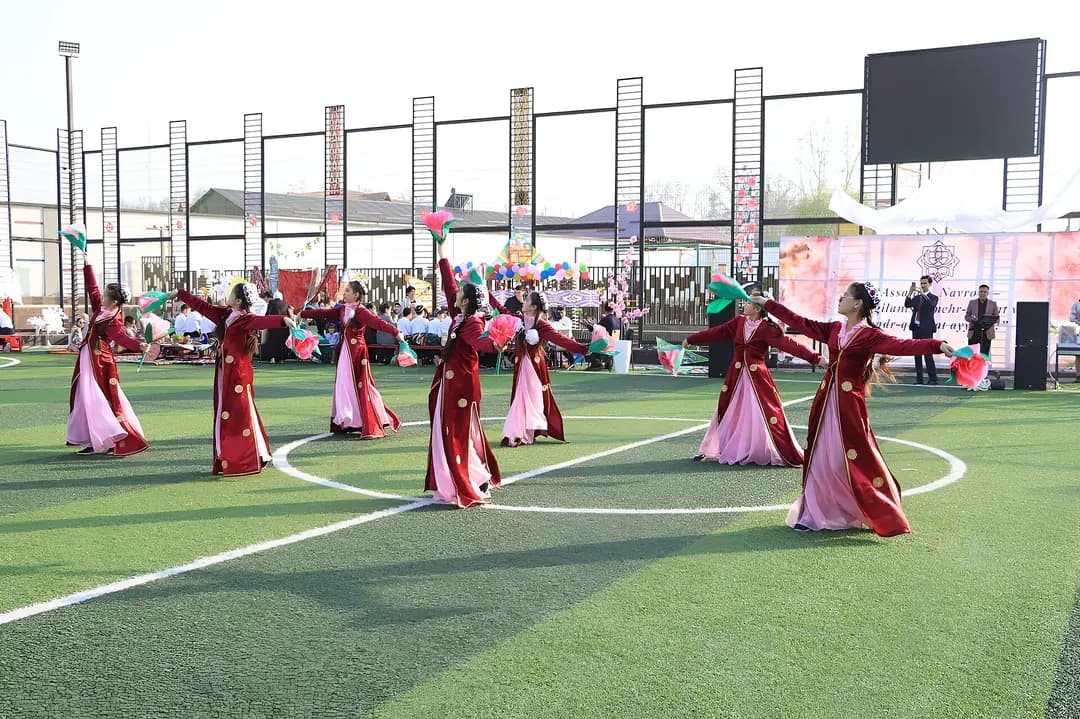
Anyone who has tried to buy a ticket to Fergana on the eve of a long weekend knows: on holidays transport becomes scarce. Tickets sell out weeks ahead, highways jam up, and the price of the last seats rises. The good news is that peak days are predictable. Here is when they come and how to prepare so the trip goes smoothly.
Why holidays create a peak
Uzbekistan is a country with strong family ties. On holidays people travel to parents and relatives in other cities and villages. This is especially true for Tashkent residents who come from the Fergana Valley, Samarkand, Kashkadarya and Khorezm. On days off many people leave at once and return at almost the same hours. Hence the ticket shortage and traffic jams.
Calendar of peak days
Exact dates of public holidays and shifted days off are confirmed officially each year and change, so check them in the year of your trip. Typical peaks:
New Year
In late December and early January people go to families and on winter breaks. The peak falls on 29 to 31 December and on return trips from 2 to 5 January.
Navruz (21 March)
A spring holiday with one or several days off. Many people leave for the regions, especially the Fergana Valley and Samarkand.
Ramazon Hayit and Qurbon Hayit
Moving dates that depend on the lunar calendar and shift about 10 to 11 days earlier each year. The peak: the day before the holiday and the last day off.
Victory Day (9 May) and Remembrance Day
One or several days off, a small but noticeable rise in trips.
Independence Day (1 September)
Days off and festive events in Tashkent and the regions. People travel both to celebrations and to families.
Teachers' Day (1 October) and other holiday dates
Some days off can form long breaks, especially when combined with shifts.
End and start of the school year, summer holidays
In late May to June and late August to early September passenger flow rises: families go on holiday and come back.
Wedding season (September to November)
Not holidays on the calendar, but a noticeable rise in weekend trips.
What a peak looks like
- The eve. Morning and evening before a holiday, especially after work. Buses and trains are full.
- The first hours of the break. Departures from Tashkent, jams at the exits, on the Kamchik pass and on the highways toward Samarkand and Fergana.
- The last day off. Everyone returns, especially in the evening. The hardest situation is at the entrances to Tashkent.
- The morning after the holiday. Those who need to be back at work.
In the middle of the holidays roads are noticeably freer.
How to prepare
- Learn the dates in advance. Follow official announcements about holidays and shifts.
- Buy tickets as early as possible. Trains open for sale well ahead, and popular routes sell out fast.
- Choose off-peak times. Leave late at night or early in the morning and return in the middle of the day.
- Think about a backup. If you did not find a ticket, consider a bus, a shared ride or another day.
- Allow extra time. At peak the road can take 1 to 2 hours longer than usual.
- Refuel in advance. Highways have queues at fuel stations before holidays.
- Bring water, a snack and a charger.
Popular directions
The Fergana Valley
The busiest direction. The road runs over the Kamchik pass, where jams form quickly. The Tashkent to Fergana route is about 300 km and usually takes 4 to 5 hours, more at peak. Leave very early or late in the evening.
Samarkand and Bukhara
High-speed trains fill first. The Tashkent to Samarkand route is about 300 km and 3.5 to 4 hours on the highway, with delays at the exit and at stops during peak.
Kashkadarya and the south
The Qarshi to Tashkent route is about 480 to 500 km and takes 6 to 7 hours; in the other direction use the Tashkent to Qarshi route. It is a long road, so plan stops and rest, and at peak allow extra time.
Shared rides as a backup
When train tickets run out, a shared ride remains. In the Yo'ldosh app, drivers publish trips between cities in advance: you choose a time, book a seat and see the driver's verified profile. For holidays it is wise to book several days ahead, because on the last day few seats are left. If you are a driver, publish your trip early: passengers look for seats in advance.
Safety at peak
- Do not drive tired. Get enough sleep before a long trip.
- Keep to speed limits and distance, and do not change lanes abruptly in jams.
- Stop every two hours.
- Choose drivers with good reviews and verified profiles.
- Do not overpay "for urgency" to random people at the station.
Practical tips
- Make your own trip calendar for the year and mark the holidays.
- Use flexible dates: leaving a day before the peak saves both time and nerves.
- Carry documents and cash.
- Arrange meeting times with relatives in advance, allowing for possible delays.
Bottom line
Peak days are predictable, which means you can prepare for them. Follow the calendar, buy tickets early, choose off-peak times and keep a backup option. For more on popular directions see the pages for Tashkent to Fergana, Tashkent to Samarkand and Qarshi to Tashkent.
Cover photo: Odinakhon Khayitova, CC BY 4.0, Wikimedia Commons.
