Snow in the Desert Cities: Bukhara and Khiva in Winter
How domes look under snow without tourists, what is open in winter, how to dress and how to reach Bukhara and Khiva in the cold season.
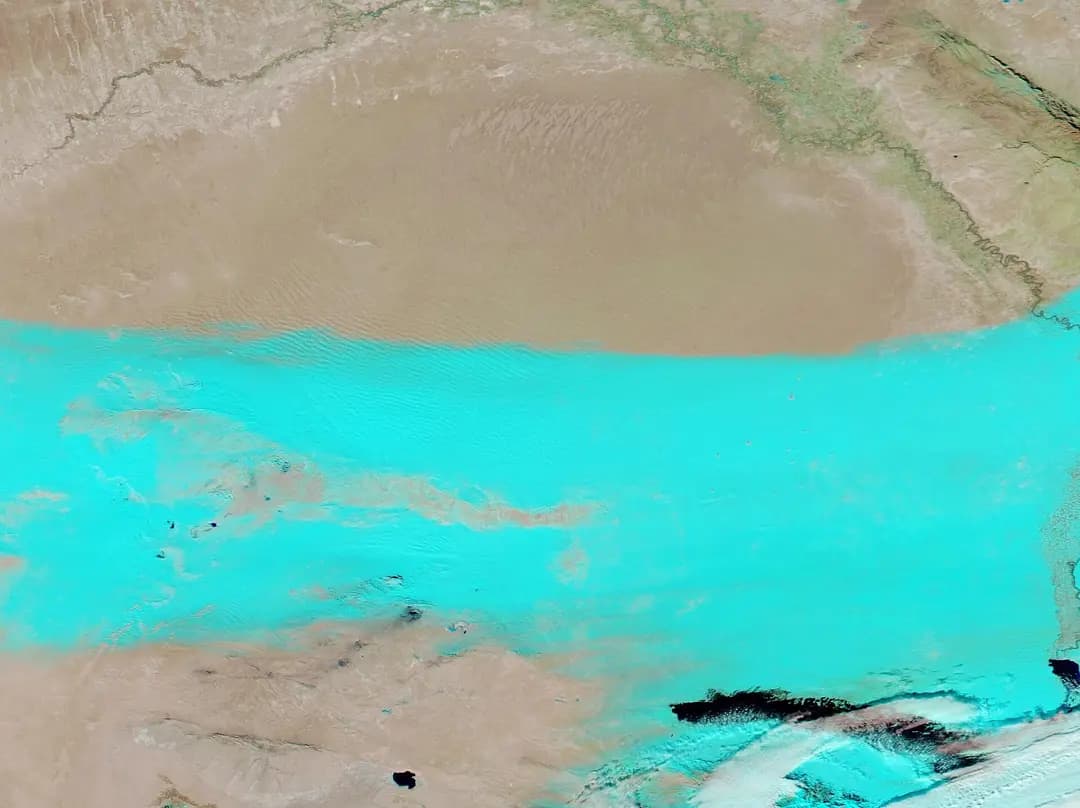
Bukhara and Khiva are associated with heat, dust and golden domes under a blazing sun. But in winter, when snow lies on the roofs and smoke rises over the streets, these cities look quite different: quieter, sterner and, arguably, more beautiful. It is a time for those who want to see the desert cities without crowds and at reduced prices.
What winter is like
The climate here is sharply continental. In winter Bukhara is usually around 0 to +8 C by day and -5 to -10 C at night, lower in severe frosts. Khiva is colder: -10 C and below at night, with frequent north winds. Snow does not fall every winter and usually does not lie for long, but when it is there the sight is unforgettable. In addition, winter brings many grey days, damp and occasional fog.
Figures are approximate and depend on the year. Check the forecast before you travel.
Why go in winter
- No crowds. Itchan Kala, Lyabi-Hauz and the madrasas are almost empty. You can photograph any spot without people in the frame.
- Low prices. Guesthouses and hotels are cheaper than in spring and autumn, and haggling is possible.
- Beautiful light. The winter sky, snow and turquoise domes make an unusual picture, and soft light suits photography.
- Warming food. Shurpa, plov, lagman, hot flatbread and tea are especially good when it is cold outside.
- A calm pace. You can stroll unhurried and talk with craftspeople in workshops: they have more time in winter.
What you may not like
- Cold and damp. Unheated rooms in museums and workshops are chilly.
- Short days. It gets dark around five, so the main sightseeing must happen between 9 and 16.
- Seasonal closures. Some small cafes, guesthouses and souvenir shops are closed or run reduced hours. Yurt camps in the desert generally do not operate in winter.
- Slush. After snow and rain the streets are muddy, so waterproof shoes are needed.
- Fog. On some days visibility is poor, which affects roads and photos.
What to see in Bukhara
- Lyabi-Hauz and the trading domes. The square by the pool is quiet in winter, with warm teahouses nearby.
- The Ark fortress. Mighty walls against snow look especially imposing.
- The Kalyan minaret and mosque. A scene worth coming for in winter.
- The Ismail Samani mausoleum. The city's oldest monument, interesting at any time of year.
- Chor-Minor. A small building with four towers that looks good in a white setting.
- Workshops. In winter craftspeople work in warm rooms and chat readily.
What to see in Khiva
Itchan Kala is an open-air fortress museum. In winter it is almost deserted:
- the Islam Khoja minaret and the Juma Mosque with its forest of wooden columns;
- the Tash Khovli palace;
- Kunya Ark and the watchtower;
- the fortress walls, which you can walk on if they are open;
- woodcarving and embroidery workshops.
Check the opening hours: in winter they can be shortened.
How to dress
- A warm down jacket or knee-length coat.
- A hat, scarf and gloves: the wind in Khiva is cold.
- Thermal underwear if you plan long walks.
- Waterproof shoes with tread and warm socks.
- Spare socks or light slippers for mosques where you must take shoes off.
- An umbrella or waterproof jacket in case of wet snow.
Dress in layers. Rooms may be warm while it is cold outside.
Getting there
In winter it is easier to travel by day, by high-speed train or by car. Between Bukhara and Khiva the road runs through the Kyzylkum desert and is about 450 km. The Bukhara to Khiva route usually takes 6 to 7 hours. In winter this stretch sees wind, fog and ice, so leave in the morning, watch the forecast and never drive at night in bad weather.
From Samarkand to Bukhara there is the Samarkand to Bukhara route: about 270 km, 3 to 3.5 hours, on a flat, good road. In cold weather allow extra time.
In the Yo'ldosh app, drivers publish trips in advance; you choose a morning departure, book a seat and see the driver's profile. If the weather changes, arrange a reschedule beforehand. Also agree that the car will be warm and that there is room to stop for a bite.
Practical tips
- Book lodging with reliable heating and confirm it before arrival.
- Bring a thermos of tea: on a winter day it is very useful.
- Plan main sightseeing for daylight and keep the evening for dinner.
- Cash is handy: in the cold, terminals sometimes fail.
- Charge your phone and bring a power bank, since batteries drain faster in the cold.
- Do not neglect warm socks and gloves.
A three-day plan
- Day 1. Arrive in Bukhara, walk the old town, have dinner in a warm teahouse.
- Day 2. The Ark, Kalyan, the Ismail Samani mausoleum and workshops.
- Day 3. Drive to Khiva (in the morning), check in and walk Itchan Kala until dusk.
Bottom line
Winter in Bukhara and Khiva means quiet, snow on domes and a chance to see the city as it is for its own residents. Dress warmly, plan the road for daylight and bring a reserve of patience. For more on getting between them see the pages for Bukhara to Khiva and Samarkand to Bukhara.
Cover photo: MODIS Land Rapid Response Team, NASA GSFC, Public domain, Wikimedia Commons.
