The Nurata Reserve and Its Mountain Villages
The nature of the Nuratau range, mountain argali, guesthouses in the villages and walking routes between settlements for those who want to see Uzbekistan away from tourist trails.
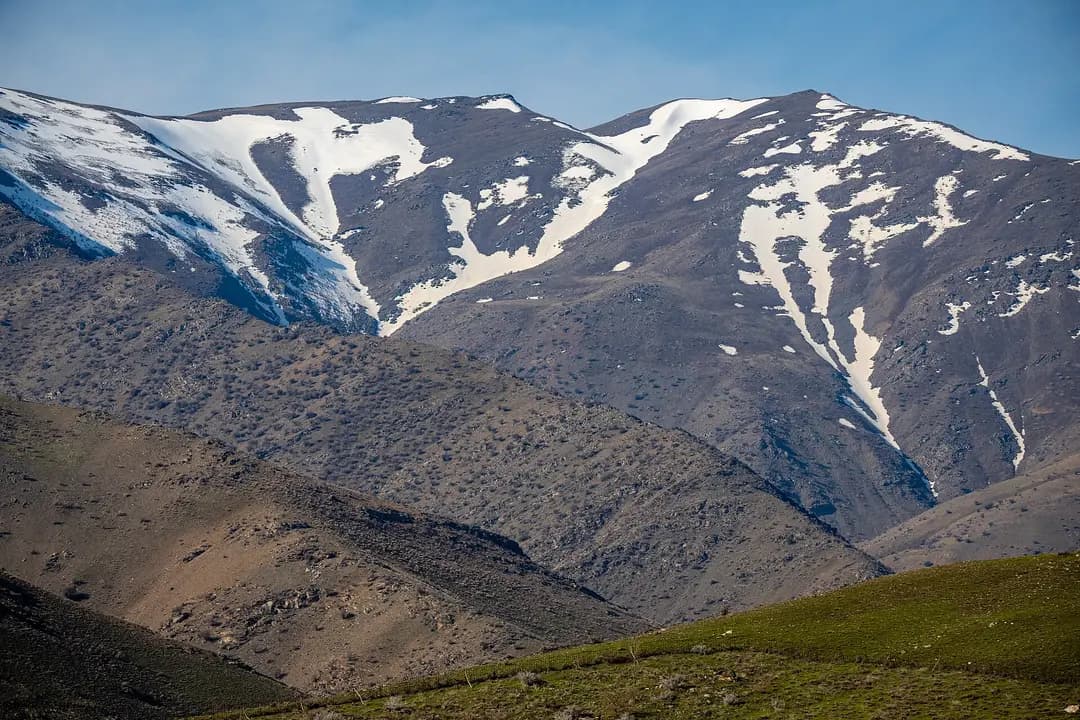
The Nuratau range stretches between Samarkand and Bukhara, but most travellers know it only as a silhouette outside the car window. Yet in its folds are hidden small villages, walnut groves, springs and a reserve that protects mountain argali. It is a direction for those tired of monuments who want to spend a few days among mountains and rural life. Here is what exists and how to organise it.
What the Nurata reserve is
The Nurata reserve and adjoining areas protect the nature of the Nuratau range and part of the Kyzylkum desert at its foot. Mountains, steppe, springs and sands combine here, and the difference in altitude creates a variety of plants and animals. The reserve's main value is its population of the mountain sheep known as argali, one of the symbols of the local fauna. Badgers, foxes, hares and birds of prey also occur. Part of the territory is closed to visitors and can be entered only with permission.
Where it is and how to get there
The Nurata mountains lie north of the highway linking Samarkand, Navoi and Bukhara. The main town nearby is Nurata, and separate roads lead to the mountains. Details of the highways: Samarkand — Navoi and Navoi — Bukhara. From the highway to the villages in the mountains is another hour or two on a less smooth road, so allow a day or several days for everything.
Mountain villages and guesthouses
Small community tourism projects operate in the mountains. Villagers receive guests in their own homes: they cook traditional food, show daily life and offer a bed for the night. These are not hotels but ordinary family houses, and conditions are simple: shared showers, mattresses on the floor, home cooking. But you see real life and try mountain honey, tandoor bread and fruit from the orchards. A night in such a home lets you understand how rural Central Asia lives. It is better to confirm village names and contacts in advance, because projects work by arrangement.
Walking routes
- Easy walks around the village. Springs, walnut groves, viewpoints. Suitable for everyone.
- Crossings between villages in a day. Trails run over passes and slopes, take several hours and need ordinary fitness.
- Multi-day hikes with overnight stays in villages. They are available with a guide and allow a real immersion in the mountains.
Most trails are not marked everywhere, so on difficult sections you cannot manage without someone who knows the way. Arrange a local guide: he knows the routes, springs and safe places to stop.
Nature and seasons
- Spring is the best time: green slopes, blooming tulips and poppies, noisy streams. But the weather is changeable.
- Summer is hot below and cool above. Good for short walks in the morning and evening.
- Autumn is warm and quiet, slopes are golden and nuts and fruit ripen.
- Winter is cold, snow lies on the passes and many homes do not take guests.
Animals and birds
Seeing an argali is hard: it is cautious and keeps high in the mountains. But with binoculars you can sometimes pick out a herd on a slope. Birds are far more common: mountain pipits, wheatears, eagles and vultures over the gorges. For watchers, bring binoculars and walk quietly early in the morning.
What to bring
- Comfortable closed shoes for trails.
- Layered clothing and a warm jacket for the evening.
- A sleeping bag if you plan overnight stays: bedding is not plentiful everywhere.
- A supply of water and snacks for the road.
- Sunscreen and a hat.
- Cash: there are no ATMs or terminals in the villages.
- Small gifts or sweets for the hosts' children if you wish to say thanks.
- An offline map: mobile coverage is unstable.
Village etiquette
Try to dress modestly, especially women. Remove your shoes on entering a house. Accept hospitality with gratitude, even if you can eat only a little. Ask permission before photographing people. Do not leave rubbish and do not touch animals. Respect for hosts opens more doors than any money.
Getting there without a car
Public transport to mountain villages is almost non-existent. You can reach Navoi or Nurata by bus or train and then arrange a transfer with your host. A good option for part of the way is a shared ride. On Yo'ldosh you can find a driver heading along the Samarkand, Navoi or Bukhara highway and book a seat, then organise the trip into the mountains with local people. You pay only for your seat, so it is cheaper than hiring a car for the whole way.
Practical tips
Plan the trip in advance: projects receive guests by arrangement. Build a time reserve into your route, since mountain roads are slow. Prices for lodging, food and a guide are approximate and worth confirming when you book.
Find other directions on the all routes page, and read how to book rides in the for passengers section.
Cover photo: Marat Nadjibaev, CC BY-SA 4.0, Wikimedia Commons.
