Melon Season in Uzbekistan: When and Where to Taste the Best Melons
When the season starts, which varieties grow in Khorezm and the Mirzachul steppe, how to pick a ripe melon and get it home in good shape.
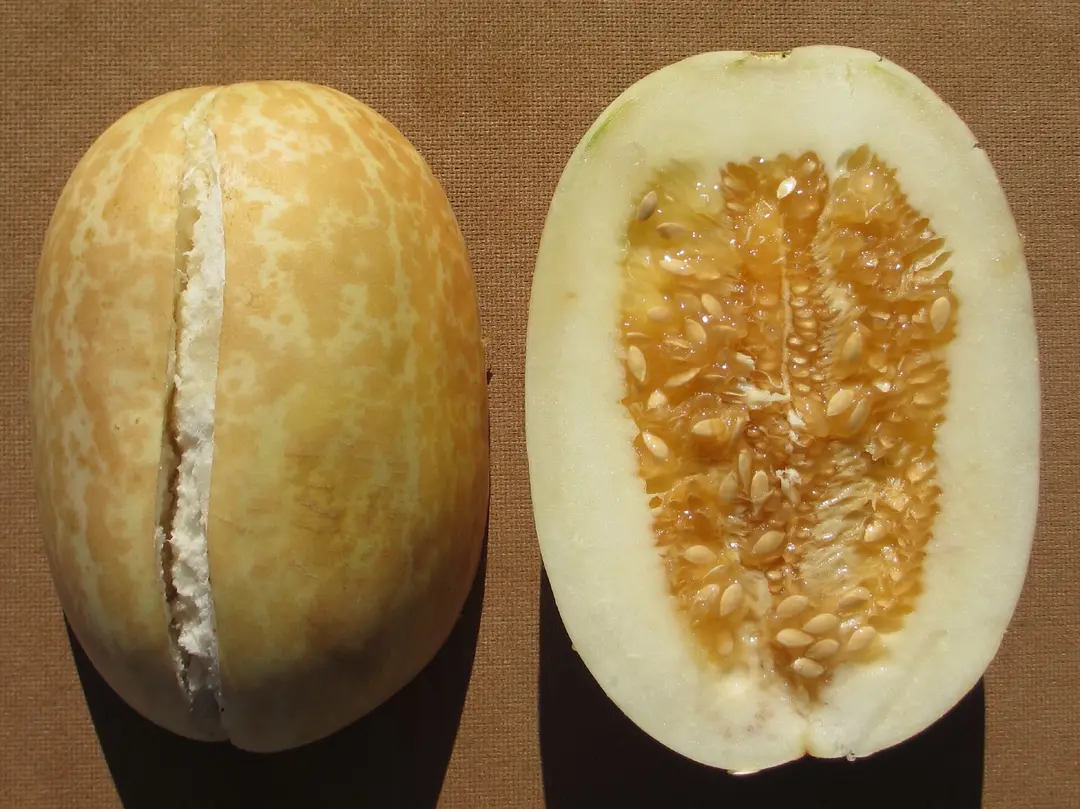
In Uzbekistan the melon is more than a fruit, it is almost a national symbol. Hot summers, dry air and sunny days give it a sweetness that is hard to find elsewhere. For many travellers the melon season is a reason to visit all by itself: buy a golden torpedo at the bazaar in the morning, eat it with flatbread and understand why local melons are the stuff of legend.
When the season begins
The first melons appear in late spring or early summer, but the real season runs from July to September. Early varieties ripen in June and July, mid-season ones in August, and the late ones, known as winter melons, are picked in September and October and stored into winter, even spring. If you arrive in August, you get the widest choice.
Where the best melons grow
Khorezm
Khorezm Region is known for sweet, fragrant melons. A hot climate and irrigated land give fruit with a rich flavour. In Khiva, Urgench and nearby villages, melons are sold at roadsides and bazaars, and you can taste one right away.
Mirzachul (Syrdarya and Jizzakh)
Mirzachul is a steppe area on the road south from Tashkent. Besides cotton, melons and watermelons are grown here. Along the highway you often find vendors offering melons and watermelons straight from the field. It is a convenient way to meet the season if you are driving Tashkent to Samarkand or toward Gulistan.
Other regions
Good melons also grow in Bukhara Region, Kashkadarya, Samarkand Region and the Fergana Valley. Every district has its own varieties, and locals love to argue about whose melon is best.
Which varieties to try
Uzbek melons are divided into early, mid-season and late types. Names sound different in different regions, but the general types are:
- Early. Tender and juicy, but they spoil fast. Good for eating straight away.
- Mid-season. Sweet, fragrant, thin-skinned. The most popular summer choice.
- Late, or winter. Dense, thick-skinned and long-keeping. They get especially sweet by late autumn. Dried melon, sold as a treat, is made from them.
Do not chase names: ask the seller which melon is ripest right now and ask for a slice to taste. This is normal, and sellers often offer it themselves.
How to pick a ripe melon
- Aroma. A ripe melon smells sweet, especially near the stem. No smell means it is underripe.
- Rind. It should be whole, without dents, dark spots or cracks. Many varieties have a net pattern.
- Stem. A dried stem signals ripeness.
- Weight. The melon should feel heavy for its size.
- Pressing. The end opposite the stem gives slightly under your finger, but is not soft.
- The seller's experience. Ask for advice: locals know which melons came in today.
How to eat it
Melon is cut into large slices, peeled and served cold. It is eaten on its own, with flatbread or with light tea. In the heat, a cold melon after plov works as dessert and helps digestion. It is customary not to drink water right after melon, believed to be bad for the stomach, but that is a folk saying rather than medical advice. If you have health questions, follow your doctor's guidance.
Melons by the road
In season, tents selling melons and watermelons line the roads. Stopping to choose, taste and buy a fresh melon is a pleasant part of the journey. Mind hygiene: wash the melon before cutting and keep the knife clean. In the heat, do not leave cut melon in the sun.
If you travel the Tashkent to Gulistan route, the distance is about 120 km and it is easy to find vendors while crossing Syrdarya Region; in Khorezm, look for melons on the road between Urgench and Khiva. The Urgench to Khiva route is about 35 km, roughly 40 to 50 minutes, and you pass melon fields and roadside stalls.
In the Yo'ldosh app you can find fellow travellers for these directions: the driver publishes the trip in advance and you book a seat. If you want to stop for melons, agree on a short break with the driver beforehand.
Getting melons home
- Choose dense, slightly underripe melons, which handle the trip better.
- Wrap each in paper or cloth and pack in a rigid box.
- Do not put them at the bottom of your luggage under heavy items.
- Melons smell strongly, so seal them well so the scent does not pass to your belongings.
- If you fly, check the airline's rules for carrying fruit and the import restrictions of your country.
- Dried melon is easier to take: it is light and does not spoil.
Practical tips
- Buy from trusted sellers and avoid melons with cracks or signs of spoilage.
- Melon prices depend on variety and season. Go by seasonal prices in your region and do not be shy about haggling.
- Carry cash, as roadside vendors usually have no card terminals.
- On hot days carry water and a hat: the melons wait by the road while the sun beats down.
The melon season is one of the tastiest reasons to visit Uzbekistan in summer. Choose a route on the page for Tashkent to Gulistan or Urgench to Khiva and add a sweet stop to your trip.
Cover photo: Ton Rulkens from Mozambique, CC BY-SA 2.0, Wikimedia Commons.
