Tashkent to Gulistan: getting to the Syrdarya region
Gulistan is only a couple of hours from the capital along the steppe highway towards Samarkand. Commuter trains, trains, cars and the neighbouring towns of Yangiyer and Khovos.
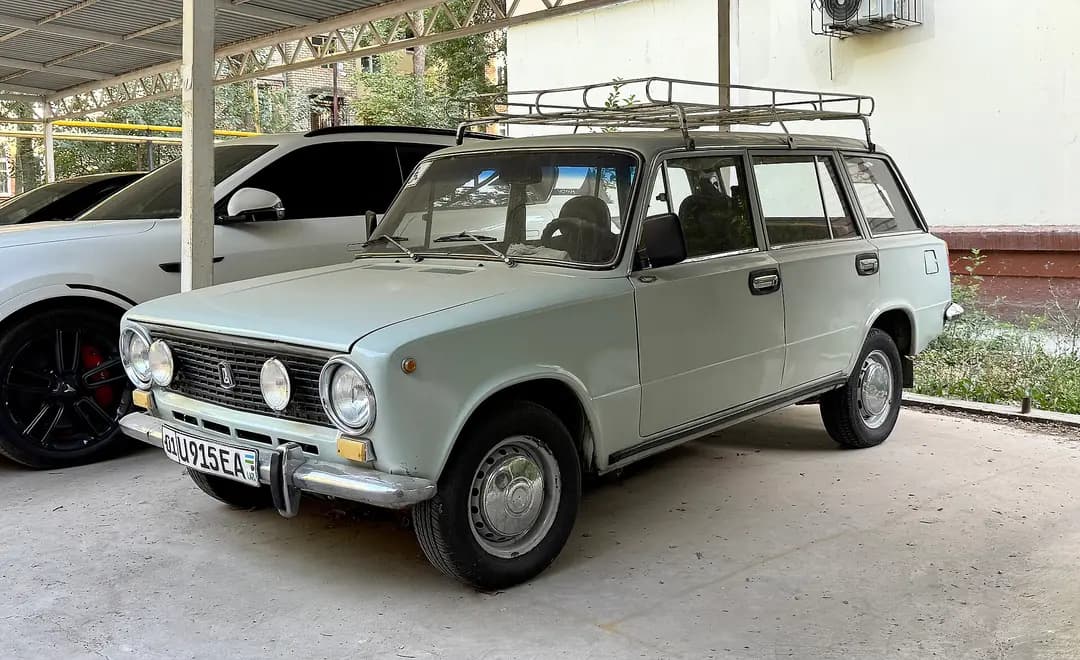
Gulistan is the administrative centre of the Syrdarya region, one of the smallest in the country by area. It lies about 120 kilometres from Tashkent along a flat road heading towards Samarkand. For many people it is a workplace, a place of study or a home town that they leave for the capital and return to. For a traveller, Gulistan is a convenient stop on the way between the north and the south of the country.
How long it takes
By car the drive from Tashkent to Gulistan usually takes about 2 hours, as long as there are no jams on the way out of the capital and no roadworks. The road runs through steppe districts with cotton and wheat fields along the highway. The main route follows the highway towards Jizzakh and Samarkand, so you turn off to Gulistan at a separate sign.
Commuter trains and trains
Gulistan is connected to Tashkent by rail, with regional electric trains and passing southbound services. The commuter train is slower but inexpensive and suits daily travellers. Long-distance trains are faster, but not all stop at Gulistan station, so check the stops in the timetable. Tickets are available in the railway app or at ticket offices, and prices and schedules may change.
If you are going to Gulistan for a couple of days and want to arrive without fuss, the train is good: you do not depend on weather or road condition.
Buses and minibuses
Buses and minivans run from Tashkent's bus stations to Gulistan. They leave when full. The plus is that they are cheap. The minuses are waiting for the cabin to fill, stops on the way and limited room for luggage.
Shared ride and taxi
If you need flexibility, a ride with a driver already heading towards Gulistan helps. In the Yo'ldosh app you book one seat, see the departure time and the driver's profile, and the price is generally lower than a taxi for the whole car. It is especially handy early in the morning or late in the evening, when public transport is scarce. See the trips on the Tashkent to Gulistan and Gulistan to Tashkent pages.
A whole-cab taxi makes sense if three or four of you travel, or with heavy luggage. Agree on the price before the trip begins.
Yangiyer and Khovos: where to go next
Gulistan works well as a base for short trips around the region:
- Yangiyer, a small town that grew up in the twentieth century around industrial enterprises. It is not far from Gulistan, and the road from the capital passes close to it.
- Khovos, a town in the south of the region near the Tajik border, known for agriculture.
- The Syrdarya, the main river of the region, which gives the province its name. Its banks have fishing spots and green areas.
Each of these towns is between half an hour and an hour from Gulistan.
What to see in Gulistan
Gulistan is young by Uzbek standards, built mostly in the Soviet period, so instead of ancient madrasas you find parks, wide avenues and Soviet-era monuments. Worth seeing:
- the central parks and boulevards where locals stroll in the evening;
- the regional museum, which tells about the nature and history of the area;
- the city bazaar, where you can buy fresh vegetables, fruit and flatbread.
Do not expect many sights: most people go to Gulistan on business, not for sightseeing.
Practical tips
- If you go to Gulistan on business, choose a morning departure: you will be there by lunchtime and can return in the evening.
- There may be jams leaving Tashkent in the morning, so leave a buffer.
- Take water with you, especially in summer: the steppe is hot and stops on the highway are rare.
- If you plan to continue to Jizzakh or Samarkand, check what is most convenient: onward trips south often run from Gulistan.
Plan your trip
To book a seat, open the Tashkent to Gulistan page, and for the return the Gulistan to Tashkent trip is convenient. Other directions are in all routes, and drivers passing through the Syrdarya region will find the for drivers page useful.
Cover photo: Jamshid Nurkulov, CC BY-SA 4.0, Wikimedia Commons.
