Namangan to Chust: A Trip for Knives and Skullcaps
Chust is known across Central Asia for its pchak knives and black-and-white skullcaps. How to get there from Namangan, where to find craftsmen and how to get back.
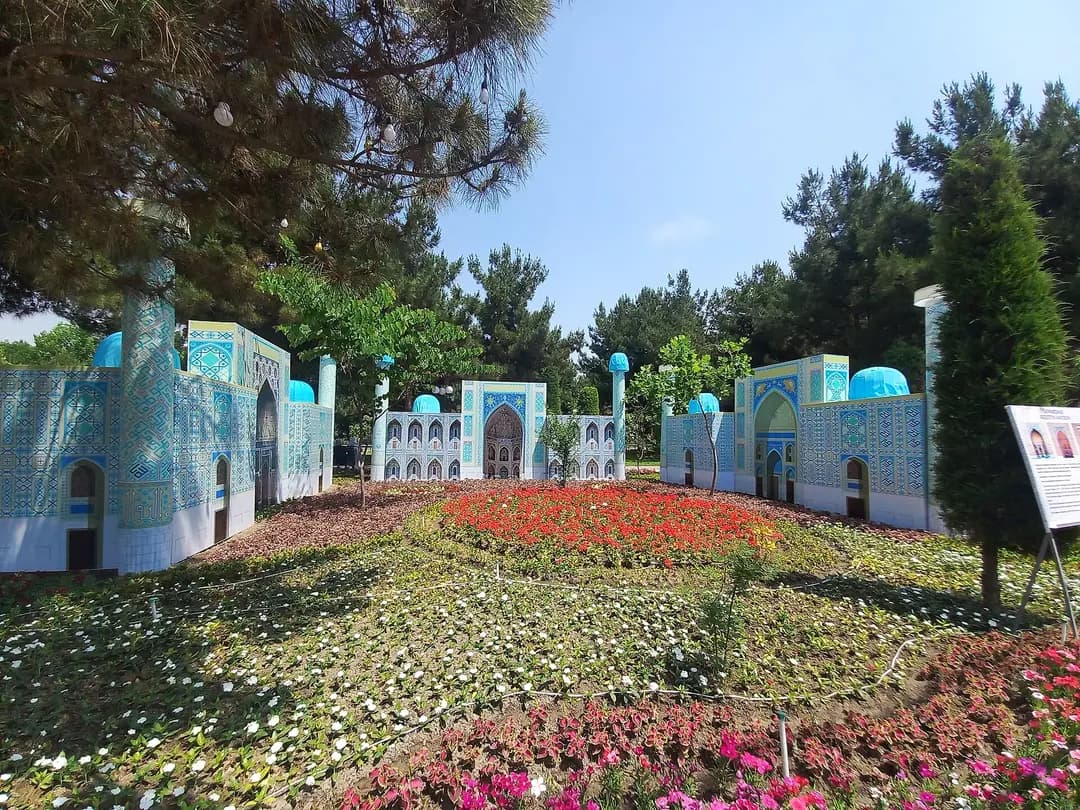
Mention a Chust knife in Uzbekistan and everyone knows what you mean: a narrow pchak with a curved blade and a composite handle, the kind passed down through generations. Chust's other claim to fame is its skullcaps: black, with a white pattern of chilli pods, recognisable at a glance. The town lies in the west of the Namangan region, and from Namangan it makes an easy half-day trip. Here is how to get there, where to get off and how not to leave empty-handed.
Distance and travel time
Chust is west of Namangan, about 40 km away. The road is good and runs through villages and orchards on the right bank of the Syr Darya.
| Transport | Travel time | Notes |
|---|---|---|
| Taxi or private car | 40 to 50 min | fast, available any time |
| Minibus | 50 to 70 min | cheaper, frequent stops |
| Shared ride | 40 to 50 min | seat booked in advance |
Times are approximate: on market days and at rush hour traffic leaving Namangan can be heavy.
How to get there from Namangan
Minibuses
Minibuses to Chust leave from the Namangan bus station and from stops on the western edge of the city. They run often, especially in the morning. They can be cramped, and drivers stop on request, so the trip takes longer.
Taxis
A shared taxi collects four passengers and drives without unnecessary stops. You can hire the whole car if you want to visit several workshops and not depend on a schedule. Agree the fare before you get in, as prices change.
Shared rides
On the Namangan to Chust route, Yo'ldosh lets you find a driver and book a seat in advance. This is handy if you want to arrive as the bazaar and workshops open rather than flagging down a car on the highway.
Where to get off: the bazaar and workshops
The main landmark for visitors is the central bazaar. Ask the driver to drop you there: knives, skullcaps and other local crafts are sold around it and in its rows. The town also has family workshops where knives are made by hand. Specific addresses change, so ask at the bazaar or ask your driver, and locals will happily tell you which craftsmen welcome visitors.
What to know about buying:
- Knives vary a lot. The bazaar sells both simple kitchen pchaks and collector pieces with engraving and handles of horn or bone. Price depends on the steel, the finish and the maker.
- Look at the workmanship. A good knife has an even edge, a firmly fitted handle and a neat sheath.
- Bargain politely. That is normal at the bazaar, but in a craftsman's workshop the price is usually better justified.
The Chust skullcap
The classic Chust skullcap is black and four-sided, with a white chilli-pod pattern. Men wear it across the valley, and for visitors it is one of the most recognisable souvenirs. Check the embroidery: good pieces have a dense, crisp pattern and keep their shape. If you are buying one as a gift, check the size, as skullcaps vary.
Taking a knife home: important rules
A knife is a popular souvenir, but there are things to keep in mind:
- Not in hand luggage. Before flying, pack knives in checked baggage and check your airline's rules in advance.
- Long blades. Some pieces may require a document stating that it is a household or souvenir knife. Ask the seller whether they provide one, and check the rules of the country you are flying to.
- On the road. In a car or minibus, keep your purchase wrapped in your bag rather than in your hands.
What else to see in Chust
- The surroundings. Chust sits at the foot of the mountains, and the foothills begin north of town. They are lush and lovely in spring.
- History. Near the town archaeologists found a Bronze Age settlement that gave its name to the Chust culture. For non-specialists it is a reminder of just how ancient this area is.
- Food. At the bazaar try local plov, samsa and bread, and in summer and autumn the fruit from nearby orchards.
How much it costs
The Namangan to Chust trip is cheap. A minibus is the budget option, a seat in a taxi or shared ride costs more, and a whole car more again. Exact amounts change with fuel prices, so check before you travel. If you plan to visit several workshops, agree an hourly rate with your driver.
Back to Namangan
In the afternoon traffic towards Namangan picks up and leaving is usually easy. If you do not want to wait, find a Chust to Namangan ride on Yo'ldosh in advance: choose a time, book a seat and the driver will meet you at the agreed spot.
A trip to Chust is a short drive and a great excuse to see one of the Fergana Valley's best-known craft towns. Come in the morning, leave time to talk to the craftsmen and remember the rules for carrying knives. For more routes across the valley, see the routes page.
Cover photo: Axadjon1, CC BY 4.0, Wikimedia Commons.
