Termez Archaeological Museum: What to See and How to Plan Your Visit
Kushan sculpture, Buddhist murals, coins of Greco-Bactrian kings and finds from Dalverzintepa — a guide to one of the best archaeological museums in Uzbekistan.
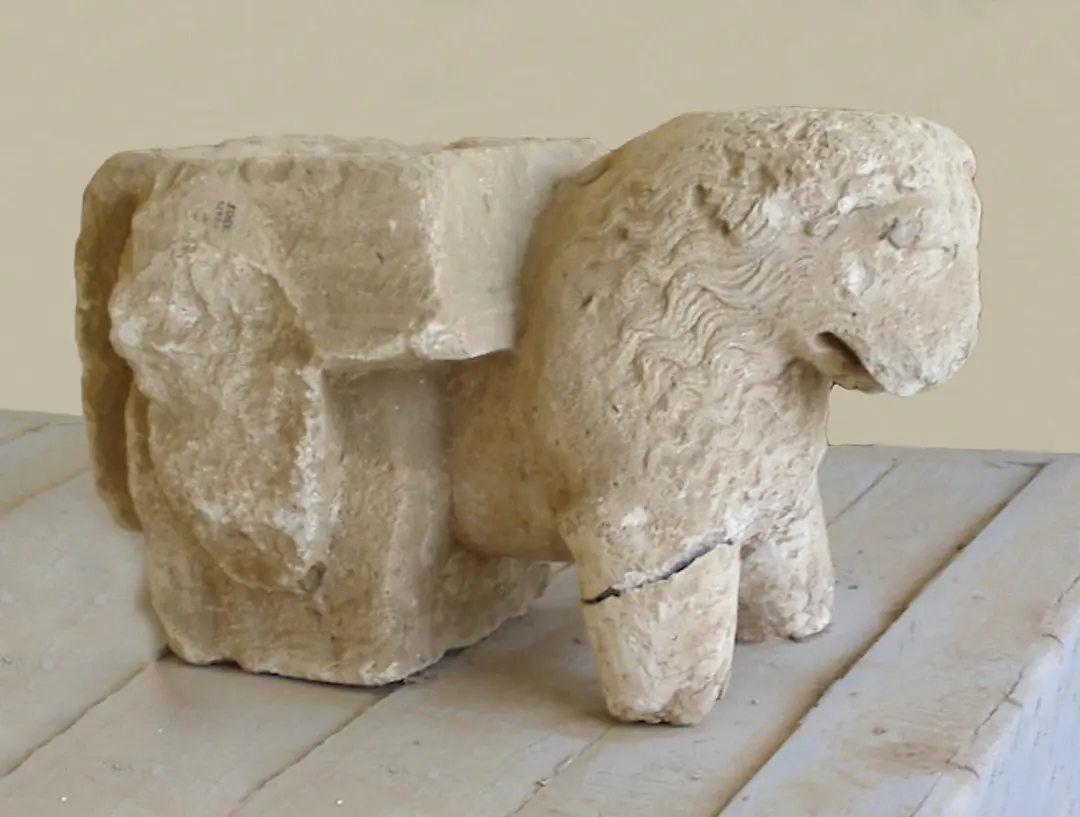
Surkhandarya is one of the richest regions in Central Asia for archaeology. Stone Age people lived here, Bronze Age towns were built here, Greco-Bactrian kings and the Kushans ruled here, and later medieval Muslim centres grew up on the same land. Almost everything found in this region over the past century is connected in one way or another with the Termez Archaeological Museum. If you have come to the south of Uzbekistan, start here: after the museum, the ruins around the city become much easier to understand and far more interesting.
About the museum
The museum opened in the early 2000s for the anniversary of Termez and has since been regarded as one of the best archaeological collections in the country. Its holdings run to tens of thousands of objects, and the galleries display finds from most of Surkhandarya's well-known sites. The building is designed in an oriental style with a dome and a portal, and the halls are spacious and bright.
The exhibition is arranged chronologically, so in a couple of hours you can travel through tens of thousands of years.
The main galleries by era
The Stone Age
The Teshik-Tash cave lies in the Boysun mountains, and in the 1930s the burial of a Neanderthal child was discovered there. It is one of the most famous Palaeolithic finds in Central Asia. The museum tells the story of this discovery and shows stone tools used by the region's earliest inhabitants.
The Bronze Age
The settlements of Sapallitepa and Djarkutan are evidence of an advanced farming culture that existed here around four thousand years ago. Look closely at the pottery, bronze objects and seals: they show that Surkhandarya was part of the wider world of ancient civilisations.
Bactria and the Kushan Empire
This is the heart of the collection. On display:
- Kushan-era sculpture — heads, fragments of statues and reliefs showing the influence of Greek and Indian art;
- Buddhist finds from the Fayaz Tepa and Kara Tepa monasteries — fragments of murals, bas-reliefs and parts of stupas;
- material from Dalverzintepa and Khalchayan — ancient towns where the largest expeditions of the 20th century worked;
- coins of Greco-Bactrian and Kushan rulers. The numismatic section is particularly strong: the coins let you trace changes in dynasties and languages.
The famous Dalverzintepa gold hoard is mostly kept in Tashkent, but in Termez you can see many other objects from the site and get a sense of what a Kushan city was like.
The Middle Ages and Islam
The exhibition ends with finds from medieval Termez, one of the major cities on the Amu Darya. There is carved ganch plaster from the palace of local rulers, glazed ceramics, household items and jewellery. This section links the museum nicely with the Sultan Saodat ensemble and the mausoleum of al-Hakim al-Termezi.
How much time to allow
| Format | Time |
|---|---|
| Quick look at the main galleries | 1–1.5 hours |
| Unhurried visit, reading the labels | 2–3 hours |
| With a guide | 1.5–2 hours |
A guided tour in Russian or English can usually be arranged on site, but check in advance, especially if you are in a group. Ticket and photography fees change; expect them to be modest and confirm at the ticket desk.
Combining it with nearby sites
The museum works well as a starting point:
- Morning — the museum, while it is cool and the galleries are quiet.
- Next — Fayaz Tepa, Old Termez and the mausoleum of al-Hakim al-Termezi: by now you know what to look for.
- The following day — Kampyr Tepa, the Zurmala stupa and Kirk Kiz, or a trip north to Dalverzintepa and Denau.
In the hot season, flip the plan: ruins early in the morning, the museum at midday.
Getting there from Qarshi
Qarshi is a convenient transit city on the way to Surkhandarya. It is about 280 to 300 km to Termez, roughly 4 to 5 hours on the road. The route runs through Guzar, crosses a mountainous section and then descends into the Surkhandarya valley. The scenery shifts from steppe to rocky gorges, so it is nicer to travel in daylight.
The most flexible way is a shared ride. On the Qarshi — Termez route drivers post trips on Yo'ldosh: you choose a convenient time, book a seat and share the cost of the journey. It is noticeably cheaper than a private taxi and does not tie you to a bus timetable.
Tips for visitors
- Bring your passport. Termez is a border city, and you may need ID at your hotel and at checkpoints.
- Take your time in the coin gallery. The labels are detailed, and it is the best way to understand the history of Bactria.
- Photography is usually allowed, sometimes for an extra fee. Turn off your flash.
- In summer the museum is a great refuge from the heat, which in Termez can exceed 40 °C.
- Children usually enjoy the Stone Age section and the coins.
When to go
The best time to visit Surkhandarya is spring and autumn: March to May and October to November. In these months you can comfortably spend half a day at the ruins, with the museum as a pleasant end to the day. In summer, plan your trip so that most of the activity falls in the morning and evening.
Why it is worth a visit
The Termez Archaeological Museum helps you see southern Uzbekistan not as a scattering of ruins but as one story in which Greece, India, China and Persia met. After it, even a small mound by the roadside starts to look different.
Planning a trip south? Check the rides on the Qarshi — Termez route and other destinations under all routes.
Cover photo: faqparigine, CC BY-SA 2.0, Wikimedia Commons.
