Samarkand to Urgut: Getting to the Bazaar and the Ancient Plane Trees
The Urgut bazaar with its suzani and the ancient Chor-Chinor plane grove are the two main reasons to visit. How to get there on market day, when to leave and how to get back.
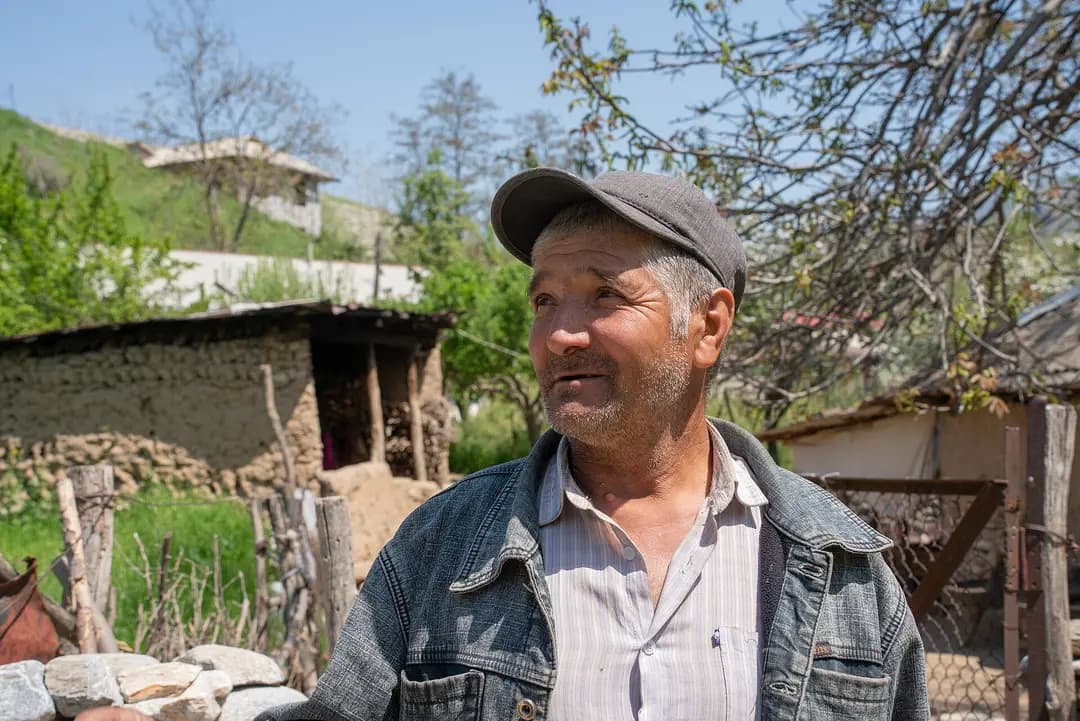
Urgut is a mountain town at the foot of the Zarafshan range, south-east of Samarkand. Many visitors come for one of the most colourful markets in the country, selling old and new suzani embroideries, fabrics, carpets and everything a household needs. Right next to the market, on the mountainside, grow ancient plane trees that local tradition says are many centuries old. The trip takes half a day and fits easily into a stay in Samarkand.
Distance and travel time
From Samarkand to Urgut is about 35–40 km. By car the trip takes 40–50 minutes; by minibus, about an hour. The road crosses the plain, and closer to Urgut the foothills begin: the road climbs gently and orchards and mountain views appear.
| Option | Time | Comment |
|---|---|---|
| Minibus | about 1 hour | frequent early in the morning |
| Shared ride | 40–50 minutes | cheaper than a taxi, convenient time |
| Taxi | 40–50 minutes | fast, good for groups |
| Half-day taxi | by agreement | the driver waits and takes you back |
When to go: market days
The Urgut bazaar is open on weekdays too, but it really comes alive at weekends, especially on Sunday. That is when traders and shoppers come from all over the area, and the textile and suzani rows are at their richest.
Timing tips:
- leave early, at 7:00–8:00 a.m.: the best pieces and the liveliest atmosphere are found before lunch;
- by midday trade slows down, and in summer it gets hot;
- on weekdays the market is calmer and easier to wander, but the choice is smaller.
How to get there
Minibuses. Marshrutka minibuses run from Samarkand to Urgut, leaving from bus stations and ranks on the southern edge of the city. On market mornings they are frequent and fill up fast. This is the cheapest option.
Shared rides. On Yo'ldosh, drivers from Urgut and Samarkand publish their trips and you can book a seat in the app. Drivers are verified, the departure time is known in advance, and a seat typically costs less than a taxi. It is handy if you do not want to wait for a minibus to fill up, and particularly useful for the trip back.
Taxi. For visitors who want to see both the bazaar and the plane trees, a half-day taxi works well. Agree on the price and waiting time in advance.
The Urgut bazaar: what to look for
- Suzani: embroidered bedspreads and wall hangings, the market's most famous section, with both contemporary work and older pieces.
- Fabrics: atlas silk, adras and cotton.
- Carpets and flat-woven rugs, skullcaps and robes.
- Food and spices: dried fruit, nuts and honey from mountain apiaries.
A few tips for shoppers:
- Walk the rows and compare first: the choice is large and prices vary a lot.
- Bargain calmly and politely; it is part of the local culture.
- Examine older items carefully for stains, wear and repairs.
- Exporting antique items may require paperwork, so check with the seller and official sources.
- Keep your wallet and phone close, as you need to be careful in crowds.
Chor-Chinor: the grove of ancient plane trees
Chor-Chinor is a shady spot on the edge of Urgut at the foot of the mountains. Huge plane trees grow here, some so wide that hollows have formed inside their trunks. There are springs nearby, a small mosque and a place to rest. In summer the grove is noticeably cooler than the town, and local families come here to relax.
It is a revered place, so be quiet, dress modestly and do not leave litter. It is easiest to take a local taxi from the bazaar to the grove.
The foothills above Urgut
If you have a full day, after the market and the grove you can head higher into the foothills of the Zarafshan range. Above the town lie orchards, juniper slopes and mountain villages with views over the valley towards distant Samarkand. In spring everything is in bloom, and in summer the mountains are a few degrees cooler than the plain. The village roads are narrow and steep in places, so it is best to go with a local driver who knows where it is safe to stop. Do not hike alone, bring water and remember that the temperature drops quickly in the evening.
Urgut on a weekday
If you cannot make it on a Sunday, the trip is still worthwhile. On weekdays the market is calmer, sellers are happier to tell you about their pieces, and the Chor-Chinor grove is almost empty. It is a good choice if you dislike crowds and want to look at embroidery at a relaxed pace.
A half-day plan
- 7:30 a.m.: leave Samarkand.
- 8:30–11:00 a.m.: the Urgut bazaar.
- 11:30 a.m.–12:30 p.m.: a walk in the Chor-Chinor grove and a rest by the spring.
- 1:00 p.m.: lunch in Urgut.
- 2:00 p.m.: head back to Samarkand.
Getting back to Samarkand
In the morning minibuses are frequent, but after lunch there are fewer and you wait longer for them to fill. If you have bought a lot, especially a bulky carpet, going back by minibus is awkward. It is better to find a ride in advance on the Urgut to Samarkand page and tell the driver about your luggage.
Practical tips
- Bring cash: almost everything at the market is sold for cash.
- Wear comfortable shoes, as the market is large and you will walk a lot.
- In summer bring water and a hat.
- Only photograph people after asking permission.
You can find a morning ride to Urgut on the Samarkand to Urgut route page. The for passengers section briefly explains how booking a seat works.
Cover photo: Satdeep Gill, CC BY-SA 4.0, Wikimedia Commons.
