Bukhara to Gijduvan: Getting There in 45 Minutes
Gijduvan is the town of potters, an ancient Ulugbek madrasa and famous kebabs. Here is how to get there from Bukhara, what to fit into half a day and how to get back in the evening.
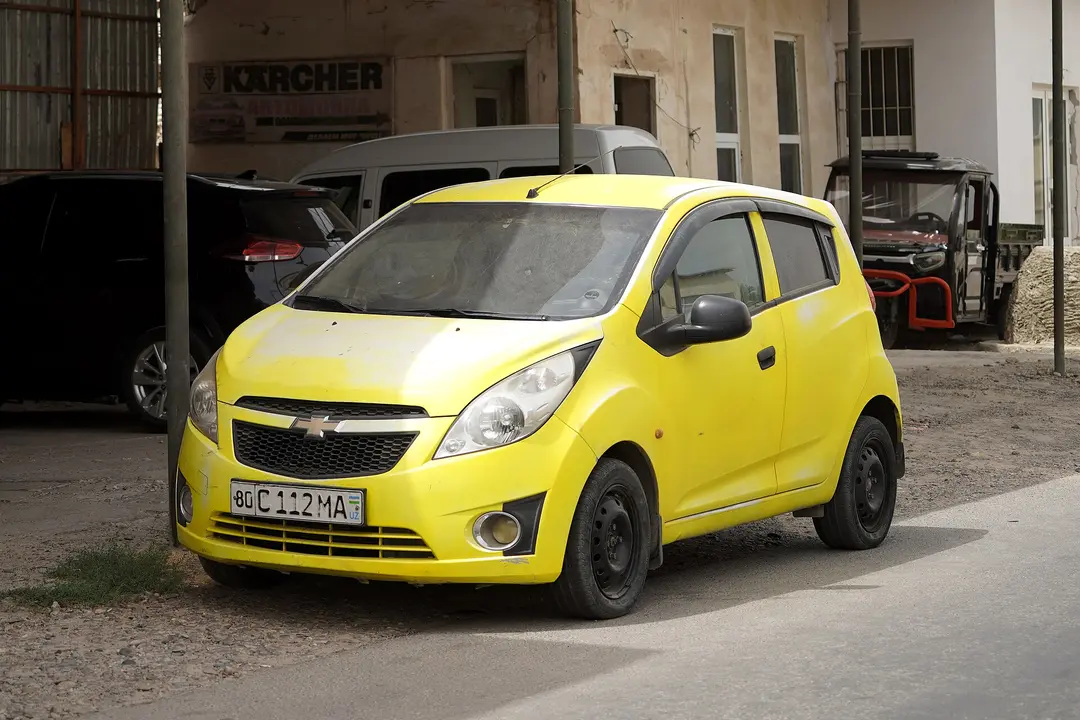
Gijduvan lies north-east of Bukhara in an oasis of orchards and canals. For visitors it is the perfect half-day trip: close, inexpensive and with three good reasons to go: handmade ceramics, a 15th-century Ulugbek madrasa and the mausoleum of the Sufi master Abdulkhaliq Gijduvani. For locals Gijduvan is also the home of one of the best-known kebabs in the country.
Distance and travel time
From Bukhara to Gijduvan is about 45 km. By car the trip takes 40–50 minutes; by minibus, about an hour with stops. The road is flat and runs through the villages and fields of the oasis.
| Option | Time | Comment |
|---|---|---|
| Minibus | about 1 hour | cheap, leaves when full |
| Shared ride | 40–50 minutes | cheaper than a taxi, time known in advance |
| Taxi | 40–50 minutes | convenient for a group |
| Half-day taxi | by agreement | the driver waits and takes you back |
Minibuses
Marshrutka minibuses to Gijduvan leave Bukhara from the bus station and from ranks on the north-eastern edge of town. This is the cheapest option. Keep in mind:
- the minibus leaves once it is full, so the wait can be anything from a few minutes to half an hour;
- services are frequent in the morning and thin out towards evening;
- in Gijduvan the minibus stops in the centre, from where you can walk or take a local taxi to the madrasa and the workshops.
Taxis and shared rides
For visitors a half-day taxi is a convenient choice: the driver takes you to Gijduvan, waits while you explore and brings you back. Agree on the price before you set off and confirm how many hours of waiting it includes.
If you do not need a driver for the whole day, a shared ride is simpler. On Yo'ldosh, drivers from Gijduvan and Bukhara publish trips between the two towns and you book a seat in the app. Drivers are verified, the departure time is visible in advance, and a seat typically costs less than a taxi. This is particularly helpful in the evening, when minibuses run less often.
What to see in Gijduvan
The Ulugbek Madrasa
This is one of three madrasas built by Timur's grandson Ulugbek; the other two are in Samarkand and Bukhara. The Gijduvan madrasa dates from the first half of the 15th century. It is small and intimate, with a tiled entrance portal, and is linked to the veneration of the Sufi sheikh Abdulkhaliq Gijduvani.
The Mausoleum of Abdulkhaliq Gijduvani
Abdulkhaliq Gijduvani was one of the founders of the Khwajagan Sufi tradition, from which the Naqshbandi order later grew. Pilgrims come to his mausoleum from all over the country. Please be respectful: dress modestly, speak quietly and ask permission before photographing people.
Gijduvan ceramics
Gijduvan pottery is instantly recognisable: warm browns, yellows and greens, floral patterns, deep dishes and jugs. The craft is handed down within families from generation to generation. In some workshops you can watch potters at work, see the wheel and the kiln, and buy pieces directly from the makers. Prices vary widely with size and complexity, and bargaining is acceptable within reason.
Gijduvan kebab
The kebab from Gijduvan is famous across Uzbekistan: it is made from minced meat with spices. Trying it on the spot is an essential part of the trip. Any busy teahouse in the centre that is popular with locals will do.
How to choose ceramics
To make sure your purchase still delights you at home, check a few details. Good glaze is even, with no chips or bubbles, the pattern is crisp, and a light tap makes the piece ring rather than thud. Ask the potter whether it is safe for food or purely decorative. Small bowls and saucers are easier to carry than large platters, and if you do buy a big dish, keep it in your hand luggage rather than in the hold of a bus or plane.
A half-day plan
- 9:00 a.m.: leave Bukhara before the heat builds.
- 10:00 a.m.: the Ulugbek Madrasa and the Mausoleum of Abdulkhaliq Gijduvani.
- 11:30 a.m.: a pottery workshop to watch the potters and shop.
- 1:00 p.m.: lunch with Gijduvan kebab.
- 2:30 p.m.: head back to Bukhara.
If you are travelling in summer, shift the plan to early morning: the oasis gets very hot during the day.
Getting back in the evening
This is the main catch on this route. Getting from Bukhara to Gijduvan in the morning is easy, but in the evening there are fewer minibuses heading back and they take longer to fill. What helps:
- plan to return by 5:00–6:00 p.m.;
- if you are staying later, find a ride in advance on the Gijduvan to Bukhara page;
- if you have a half-day taxi, agree on an exact pick-up time with the driver.
Practical tips
- Bring cash: workshops and teahouses do not all accept cards.
- Ask for fragile ceramics to be packed well, as there is a road trip and possibly a flight ahead.
- Spring and autumn are ideal for walking; in summer bring water and a hat.
- On Fridays there are more pilgrims at the mausoleum, so bear that in mind if you want a quiet visit.
Combining it with other trips
Gijduvan combines well with other excursions around Bukhara. Many visitors first see the sights on the outskirts closer to the city and go to Gijduvan the next day. Or the other way round: a morning in Gijduvan, then back to the old city in the afternoon to watch the sunset at Lyabi-Hauz.
You can find a ride to Gijduvan on the Bukhara to Gijduvan route page. The for passengers section briefly explains how booking a seat works.
Cover photo: Jamshid Nurkulov, CC BY-SA 4.0, Wikimedia Commons.
