Boysun Bahori: a spring folklore festival in the Surkhandarya mountains
Boysun is a mountain district in southern Uzbekistan whose culture UNESCO recognised as a masterpiece of intangible heritage. In spring the whole area gathers to sing, dance and compete.
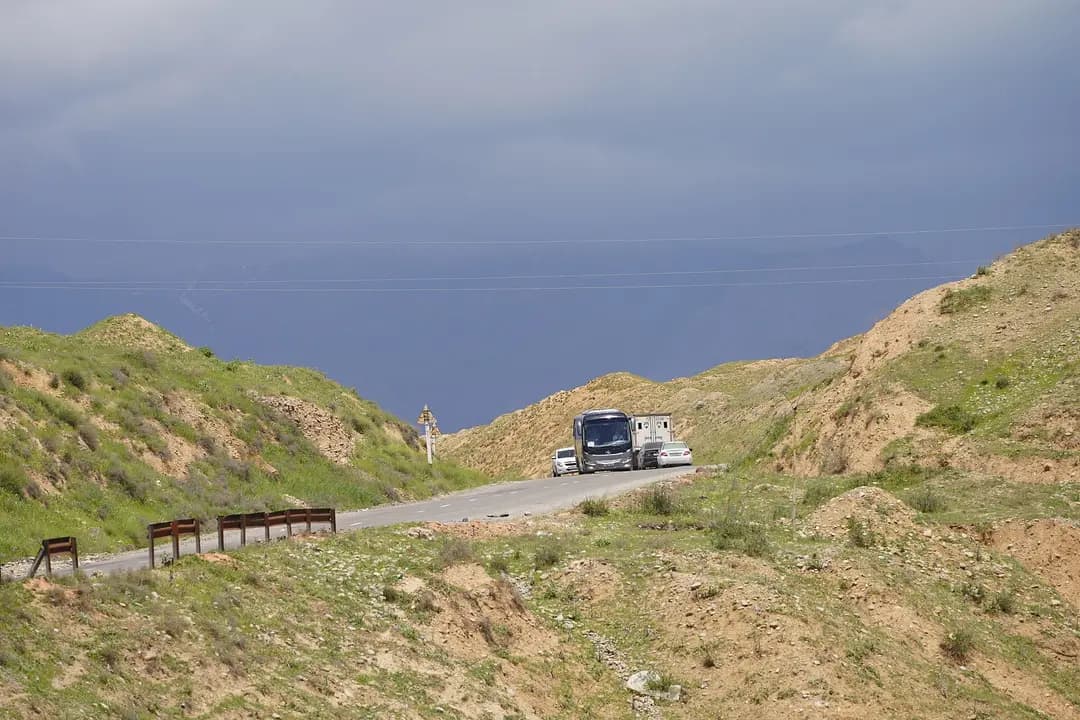
Boysun sits in the foothills of the Hissar range, roughly halfway between Termez and Guzar. It is a small district town, yet it holds a special place in ethnographic literature: in 2001 UNESCO proclaimed the cultural space of Boysun a Masterpiece of the Oral and Intangible Heritage of Humanity. Rituals, songs and crafts that long ago became museum pieces elsewhere in the country are still part of everyday life here. The Boysun Bahori ("Boysun Spring") festival is a chance to see all of it live, in a day or two, under an open sky.
What the festival is and where it came from
The first festival took place in the early 2000s, shortly after the UNESCO recognition. The idea is simple: bring folk ensembles, craftspeople and storytellers from across Surkhandarya and neighbouring districts, plus guests from abroad, onto one big meadow. It is timed to spring, when the mountain slopes turn green and the new farming year begins.
The festival is not held strictly every year, and the dates are announced in advance by local authorities and tourism bodies. It usually falls in spring, most often in April or May. Before you plan a trip, check the dates in official regional news.
What you will see
The main action happens on a large open field at the foot of the mountains. Yurts and tents go up around it, and each district or ensemble has its own "station".
- Ritual songs and dances. Wedding, farming and spring songs performed by women's and men's ensembles in traditional dress. The rituals for welcoming spring and wishing for a good harvest are especially striking.
- Bakhshi storytellers. Performers of the Alpamysh epic accompanied by the two-stringed dombra are one of Surkhandarya's signatures. Their throaty singing sounds unusual even to people from Tashkent.
- Kurash and ulak. Uzbek wrestling and the horseback game in which riders fight over a goat carcass. It is loud and emotional, so watch from a safe distance.
- Crafts. Embroidery, carpets, felt, wooden bowls and jewellery, much of it sold on the spot.
- Food. Plov from huge cauldrons, shurpa soup, tandoor bread and, if the festival falls close to Navruz, sumalak.
Do not expect a stage with a minute-by-minute programme. It is more of a folk fair: some things start early, others late, and the best approach is simply to wander from one yurt to the next.
How to get to Boysun
The nearest big city is Termez. The road Termez — Boysun runs north through Sherabad and takes roughly 2.5 to 3 hours for about 140 to 150 km. The last stretch climbs into the mountains, with lovely views.
From the capital the direct option is Tashkent — Boysun: about 550 to 600 km via Samarkand or Qarshi and Guzar, which means 8 to 10 hours by car including stops. The mountain pass after Guzar is narrow and winding, so avoid driving it after dark.
Your transport options:
- Train to Termez, then continue by road. The overnight train is handy if you do not want to spend a whole day in a car.
- Fly to Termez for the fastest connection, then drive up the highway.
- Share a ride. During the festival plenty of people travel to Boysun from Termez and Tashkent. On Yo'ldosh you can book a seat with a driver who is heading that way anyway: it costs less than a taxi and you choose a departure time that suits you.
Where to stay
Boysun has few hotels and they fill up during the festival. Your options:
- stay in Termez and come to the festival as a day trip;
- arrange a room in a family guesthouse, usually a house with a courtyard and a tapchan platform, with home-cooked breakfast;
- spend a night in a mountain village if you have a local guide.
Book early. If you cannot find anything, staying in Termez is a perfectly good plan.
Combining the festival with a trip around the south
Surkhandarya is full of places that rarely appear in standard tours. A 3 to 4 day route could look like this:
| Day | What to do |
|---|---|
| 1 | Termez: Fayaz Tepa, Kara Tepa, the Sultan Saodat complex, the archaeological museum |
| 2 | Transfer to Boysun, festival |
| 3 | Around Boysun: gorges, caves, villages with traditional houses |
| 4 | Back via Sherabad, or north towards Shahrisabz |
Near Boysun is the famous Teshik-Tash cave, where the remains of a Neanderthal child were found in 1938. Do not go there alone; hire a local guide.
Practical tips
- Weather. In spring the mountains are noticeably cooler than Termez. Expect around +20°C by day and +8°C in the evening. Bring a warm layer and shoes that can handle a dusty field.
- Cash. Craftspeople and food sellers almost always take cash only. There are ATMs in Termez but very few in Boysun.
- Photos. Performers in costume are usually happy to pose, but ask first, especially women and older people.
- Clothing. This is a rural area, so covered shoulders and knees are appropriate.
- Signal. The mountain road has stretches with no coverage. Download offline maps.
The takeaway
Boysun Bahori is not a show staged for tourists. It is a celebration local people hold for themselves, and they are glad to welcome guests. If you want to see living folklore in the south, plan your trip for spring and watch for the dates. To find a ride towards Boysun, check the Termez — Boysun and Tashkent — Boysun route pages, and browse every direction in all routes.
Cover photo: Iaa2023, CC BY 4.0, Wikimedia Commons.
