Uzbek Music and Dance: From Maqom to Lazgi
Shashmaqom, Khorezm lazgi and Fergana melodies: what these traditions are and where to hear live music on your trip.
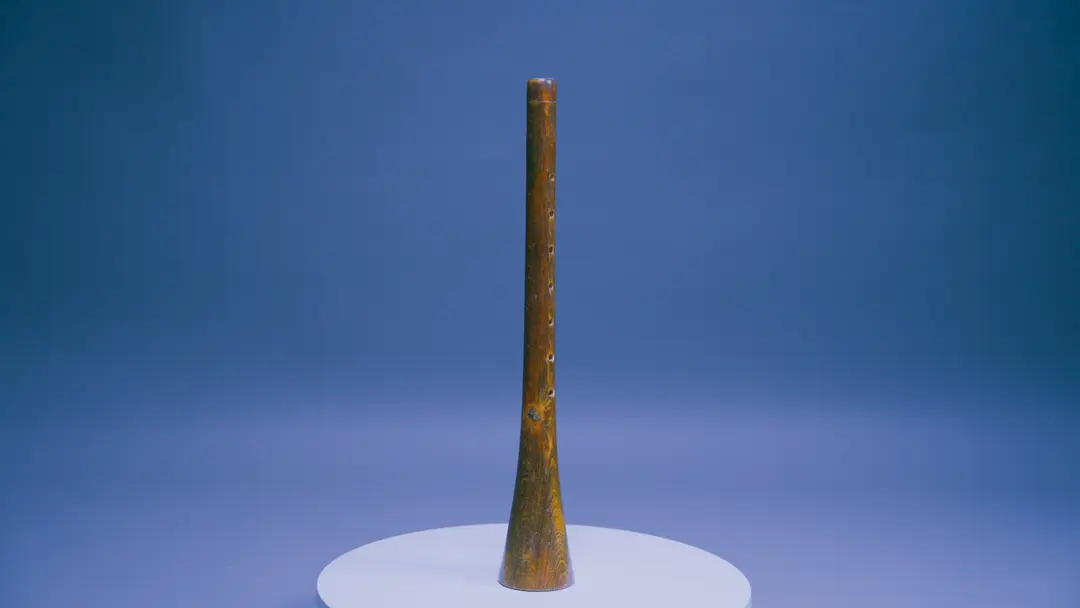
Music sounds everywhere in Uzbekistan: at weddings and celebrations, in teahouses and squares, in restaurants and from car windows. But besides modern pop, ancient traditions live here, each with its own region and character. If you want not just to see the cities but to hear their voice, it is worth getting to know the main genres in advance. This theme complements any trip well, for example on Tashkent — Samarkand or Urgench — Khiva.
Shashmaqom: the classics of Bukhara and Samarkand
Shashmaqom (literally "six maqoms") is one of the main musical genres of Central Asia. It took shape in Bukhara and unites six large cycles: each consists of instrumental and vocal parts performed in a strict order. The music is accompanied by the poetry of eastern classics, among them Navoi, Hafiz and Bedil.
Shashmaqom sounds stately and deep, from meditative openings to a rising tempo. It is music to be listened to attentively, like classical music. Shashmaqom is on UNESCO's list of intangible cultural heritage.
Instruments of shashmaqom:
- tanbur: a long-necked plucked string instrument;
- dutar: a two-stringed plucked instrument, one of the symbols of Uzbek music;
- sato: a bowed instrument;
- doira: a frame drum for rhythm;
- often the nay (flute) and others.
Khorezm lazgi
Lazgi is an energetic dance of Khorezm, one of the most recognisable Uzbek arts. It is performed to a fast rhythm with characteristic movements of the hands, shoulders and body. The dance is lively, and the music that accompanies it gradually speeds up. Lazgi is on UNESCO's list of intangible heritage.
Lazgi is performed at celebrations, weddings and on stage. Khorezm melodies are marked by a special manner of playing the dutar and by a singing quality. Visitors to Khiva are often offered folklore ensemble performances in programmes for tourists.
Fergana melodies
The Fergana Valley has its own tradition. Song art developed here, along with the genre "katta ashula" ("big song"): long-drawn vocal improvisations. The Fergana manner is lyrical and melodic. The dutar, doira and other instruments sound here.
Other instruments and sounds
- Surnay and karnay. Loud wind instruments heard at folk celebrations and weddings. They traditionally announce the start of a festivity.
- Rubab and chang. String instruments with a deep sound.
- Doira. A frame drum without which a festive ensemble is hard to imagine. Doira masters deftly beat out complex rhythms.
- Ghijak. A bowed instrument similar to a violin.
Where to hear live music
- Concerts and philharmonic halls. Tashkent, Samarkand and Bukhara host concerts of classical and folk music.
- Folklore shows. In the tourist centres of Samarkand, Bukhara and Khiva, evening programmes with music and dance are often staged. It is best to check the schedule in advance.
- Holidays and festivals. The international festival "Sharq Taronalari" ("Melodies of the East") is well known and is traditionally held in Samarkand. Check dates and format in official sources.
- Weddings and celebrations. If you are invited, it is a chance to see folk dances live. The rules are simple: come with respect and by invitation.
- Teahouses and restaurants. Some places have musicians playing in the evening.
- Street performances. Small performances happen on squares and tourist streets.
How to listen if you are a beginner
- Do not try to "decode" everything at once: let the music sound.
- Pay attention to rhythm: in Uzbek music it is complex and expressive.
- If there is a translation, read the lyrics: the poetry is very beautiful.
- Watch the instruments and the performers' hands.
- Ask the musicians: many are glad to tell you about their craft.
What to take home
Musical souvenirs: a miniature dutar or doira, a disc of shashmaqom, song collections. Handmade musical instruments are sold in the workshops of Bukhara, Samarkand and Khiva. A genuine instrument costs money, so choose carefully and ask the master.
How to organise the trip
Classical music is associated with Bukhara and Samarkand, lazgi with Khorezm, song traditions with Fergana. When planning a route, add an evening devoted to music. For trips around the country you can book a seat in a shared ride: on Tashkent — Samarkand or Urgench — Khiva via Yo'ldosh you know the departure time in advance and will make an evening concert. See all directions on the all routes page.
Bottom line
Uzbek music and dance are a living memory of the people. Give them at least one evening, and the cities will open to you from a new, sounding side.
Cover photo: AIDEPCUL, CC BY 4.0, Wikimedia Commons.
