What to Pack for Uzbekistan: A Seasonal Packing List
A packing checklist for cities, mountains and desert: clothes for heat and cold, what to wear in mosques, a first-aid kit and the small things that save the day on intercity trips.
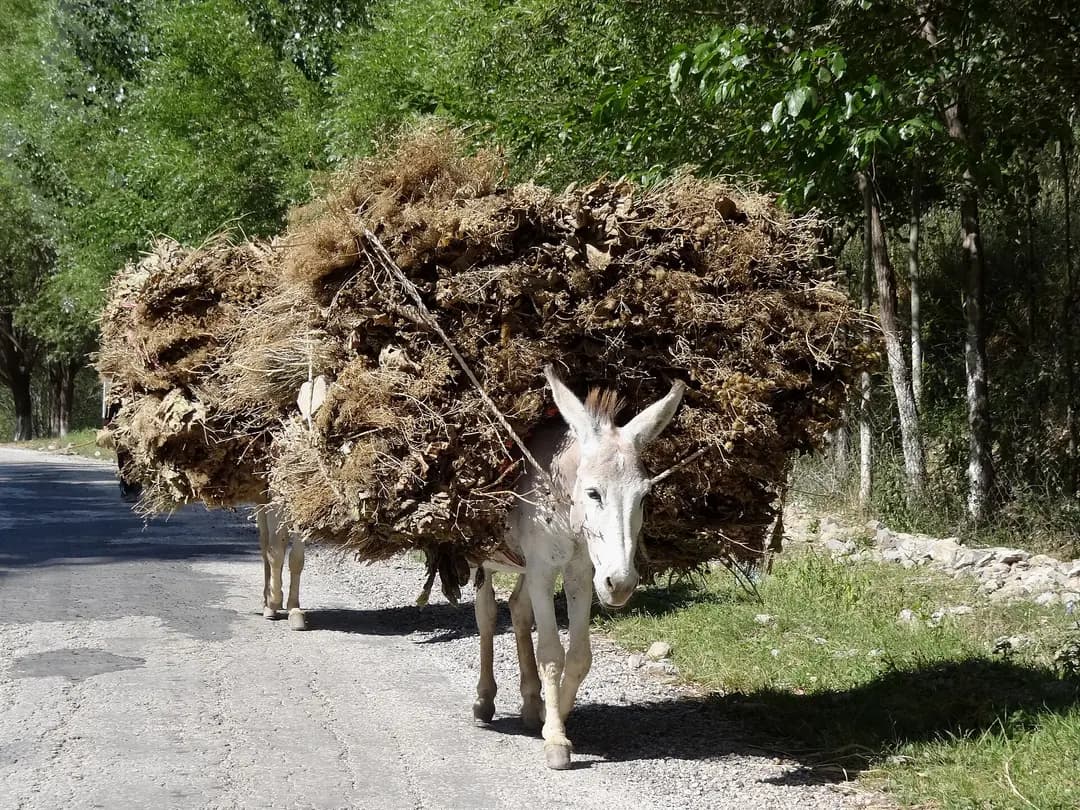
Uzbekistan has a sharply continental climate. In summer the air in Bukhara and Khiva climbs above +40°C, while in winter Tashkent can see frost and snow. The difference between day and night easily reaches 15 degrees, especially in the desert and the foothills. So there is no universal "one suitcase for everything": what you pack depends on the season and on where you are heading — the Silk Road cities, the mountains near Tashkent, or across the Kyzylkum desert to Khorezm.
The basic kit for any season
These things are useful in any weather and on any route:
- Comfortable shoes that are already broken in. In Samarkand and Bukhara you will walk a lot on cobblestones and dusty old-town lanes. Flip-flops are for the hotel, not for sightseeing.
- A light scarf or shawl. A truly universal item: cover your shoulders or head in a mosque, hide from the sun, or wrap yourself up against the air conditioning on a train.
- Sunglasses, SPF 30–50 sunscreen and a hat. The sun here is bright even in April and October.
- A reusable water bottle. Tourists are advised not to drink tap water; bottled water is sold everywhere, but a bottle is handy on the road.
- Wet wipes and hand sanitiser. Roadside facilities on intercity highways are not always well kept.
- Cash and a card. Cards are accepted more and more widely, but at bazaars, small teahouses and in rural districts you will need Uzbek som in cash.
- No adapter is needed for most Europeans: sockets are type C and F, 220 V. Bring a power bank — on long journeys your phone drains quickly.
Spring (March to May)
The best time to visit, but the weather is changeable. In March Tashkent can give you +20°C or a cold downpour, and by May it already feels like summer.
- Layers: T-shirts, a long-sleeved shirt, a light sweater or fleece.
- A waterproof jacket or windbreaker — spring showers here are short but heavy.
- Closed shoes: after rain, mountain trails and country roads get muddy.
- If you plan to visit Chimgan, Beldersay or the Zaamin mountains, add a warm layer: it is noticeably cooler up there than in the city.
Summer (June to August)
The main enemy is heat and dryness. Bukhara, Khiva and Nukus reach +40–45°C in the daytime; Tashkent and Samarkand are a little milder.
- Loose clothes in natural fabrics: linen and cotton. Synthetics are unbearable in this weather.
- Long light trousers or a skirt below the knee — they protect from the sun better than shorts and are suitable for holy sites.
- A wide-brimmed hat or cap and sunglasses with a good filter.
- Electrolytes or oral rehydration salts for the first-aid kit.
- A light sweater for trains and cars: air conditioning often runs at full blast.
In summer, plan sightseeing for mornings and evenings and move between cities in the middle of the day. The Tashkent — Samarkand drive, for example, takes about 4–5 hours on the highway, and it is easier to spend that time in an air-conditioned car than on the scorching Registan square.
Autumn (September to November)
September and early October are the golden season: warm, dry, and the bazaars are overflowing with grapes and melons. From late October the nights turn cold.
- Pack as for spring: layers, a light jacket, and a warm sweater by November.
- For the desert (Kyzylkum, Aydarkul lake, the fortresses of Khorezm), bring a warm layer for the evening even in September: the temperature drops very fast after sunset.
- If you head to the mountains in November, you need a hat and gloves.
Winter (December to February)
Winters in the valleys are usually mild, around zero, but frosts of −10°C and lower happen, especially in Karakalpakstan and Khorezm. Important: heating in many old guesthouses is modest.
- A warm jacket, hat, gloves and thermal underwear.
- Waterproof shoes — snow in the cities quickly turns to slush.
- Warm socks and slippers for your room: floors in traditional houses are cold.
- For Chimgan and Amirsoy, full ski gear if you plan to ski (it can also be rented on site).
Clothing for mosques, mausoleums and neighbourhoods
Uzbekistan is a secular country, and people in Tashkent dress in a fairly European way. But at holy sites and in small towns some unwritten rules apply:
- Shoulders and knees should be covered — for both men and women.
- Women are advised to cover their heads in active mosques and at necropolis cemeteries — that is what the shawl is for.
- Shoes are often removed when entering a mosque, so footwear without complicated laces is more practical.
- Very tight or see-through clothing attracts unwanted attention in the provinces.
A traveller's first-aid kit
Pharmacies (dorixona) exist even in small towns, but you may not find familiar brands, and explaining symptoms without the language is difficult. Bring:
- remedies for an upset stomach and activated charcoal or similar;
- oral rehydration salts;
- fever reducers and painkillers;
- antihistamines;
- plasters and a cream for burns and sunburn;
- your personal prescription medicines with a reserve, in the original packaging.
Documents and small items for the road
- Your passport and a copy (a photo on your phone helps too).
- A printed or offline copy of your accommodation booking: hotels handle the registration of foreigners.
- A small daypack and a bag for bazaar shopping.
- Earplugs and a sleep mask for night trains and noisy hotels.
Long transfers such as Bukhara — Khiva across the desert (about 450 km, 6–7 hours) call for a supply of water and snacks: fuel stations and roadside cafés along the highway are few and far between.
How to carry your things
A big suitcase is awkward both on trains and in old quarters with narrow streets. The best option is a medium-sized wheeled suitcase plus a backpack. If you travel between cities on a shared ride with Yo'ldosh, message the driver in advance about how much luggage you have: they will plan the boot space and you will not have to worry before departure.
Pack for the season, leave room for souvenirs — suzani embroidery, ceramics and dried fruit — and choose a convenient way to get around. You can find fellow travellers and book a seat on the route pages Tashkent — Samarkand and Bukhara — Khiva, and browse other directions under all routes.
Cover photo: Adam Jones from Kelowna, BC, Canada, CC BY-SA 2.0, Wikimedia Commons.
