Fishing in Uzbekistan: Rivers, Reservoirs and the Rules
The Syrdarya near Chinaz, Charvak, Aydarkul and mountain rivers: where to fish, what bites by season, whether you need a licence and what is forbidden.
A country in the middle of a desert does not look like an angler's paradise at first glance. But Uzbekistan has two great rivers, dozens of reservoirs, a chain of desert lakes and countless mountain streams, and fishing is a hugely popular pastime. At weekends dozens of cars park by the bridges over the Syrdarya, and at Charvak anglers greet the dawn before the tourists wake up. Here are the main spots, seasons and rules worth knowing before you cast a line.
The Syrdarya at Chinaz
Chinaz is a small town about 60–70 km southwest of Tashkent, where the Chirchik flows into the Syrdarya. It is one of the most popular spots for anglers from the capital: a wide river, backwaters, side channels and banks you can drive right up to.
What you can catch:
- wels catfish, the main trophy; big ones bite in summer, especially at night;
- wild carp and common carp, on bottom rigs with corn, oil cake or dough;
- asp, on spoons where there is current;
- snakehead, in weedy channels and oxbows;
- crucian carp, bream and silver carp.
The Syrdarya's current is strong and the bottom uneven, so wading deeper than your knees is dangerous. The Tashkent — Chinaz route is the convenient way there; along the river you find your own spot.
Charvak and the mountain rivers
The Charvak reservoir, 1.5–2 hours from Tashkent, is where fishing combines easily with a holiday. The reservoir holds carp, grass carp and zander; its tributaries, the Pskem, Koksu and Chatkal, hold marinka (a local barbel-like fish) and trout. People fish from the bank with floats and ledger rigs, and on mountain rivers with spinning or fly gear.
An important point: much of the mountain river system lies within Ugam-Chatkal National Park, where fishing may be restricted or need a permit, and border valleys require a separate pass. Check the rules with park rangers. The first leg of the journey is the Tashkent — Chirchik route.
Aydarkul
Aydarkul is a huge lake in the Kyzylkum desert, part of the Aydar-Arnasay system. Anglers catch wild carp, zander, catfish, bream and asp. Fishing here is a trip of several days: the drive from Jizzakh takes a few hours, and you sleep in a yurt camp or a tent. The shores are low, and in windy weather waves churn up silt, so the best time is the calm early morning.
Other spots
- The Tuyabuguz reservoir, nicknamed the Tashkent Sea, south of the capital, good for a day trip.
- Tudakul near Bukhara, a large lake-reservoir with carp and catfish.
- Ponds and pay lakes: around big cities, private ponds stocked with carp charge for fishing, and the owner sets the rules.
Seasons: what bites when
| Season | Main catch | Notes |
|---|---|---|
| March to April | asp, pike, crucian carp | cold water, fish becoming active |
| May to June | wild carp, carp, catfish | a spawning ban may apply, check locally |
| July to August | catfish, snakehead, carp | heat; fish morning, evening and night |
| September to October | zander, wild carp, asp | the best season for weather and bites |
| Winter | mountain rivers and warm stretches | few anglers, lots of patience needed |
Do you need a licence
Recreational fishing with a rod or spinning gear on public waters in Uzbekistan is generally allowed without a special licence. There are important restrictions, though:
- Nets, electric fishing, explosives and poisons are banned. This is poaching and carries serious penalties.
- Spawning bans. In spring, fishing on some waters is limited or banned during spawning. Dates are set each year, so check with the local administration (hokimiyat) or fisheries inspectors.
- Protected areas. Fishing is forbidden in strict nature reserves and follows special rules in national parks.
- Paid and leased waters. The leaseholder sets the rules, catch limits and fees.
- Border zones. The Syrdarya and some mountain rivers run along the border in places; do not go there without a permit.
Rules change from time to time, so check the latest information before your trip.
Practical tips
- Tackle is sold at bazaars and fishing shops in Tashkent; bait such as corn, worms and dough is easy to find locally.
- Sun and heat. On an open bank in summer you need a hat, water and shade.
- Mosquitoes. By still water in the evening, repellent is a must.
- Swimming. The Syrdarya and mountain rivers are dangerous because of currents and cold water, so do not take risks.
- Litter. Fishing line and plastic bags on the bank kill birds; take everything with you.
Getting there
A shared ride is a convenient way to reach the popular spots: on Yo'ldosh you can book a seat on the Tashkent — Chinaz and Tashkent — Chirchik routes and choose an early departure for the morning bite. It is cheaper than a taxi; mention your rods and keepnet to the driver in the chat beforehand. More destinations are in the routes section.
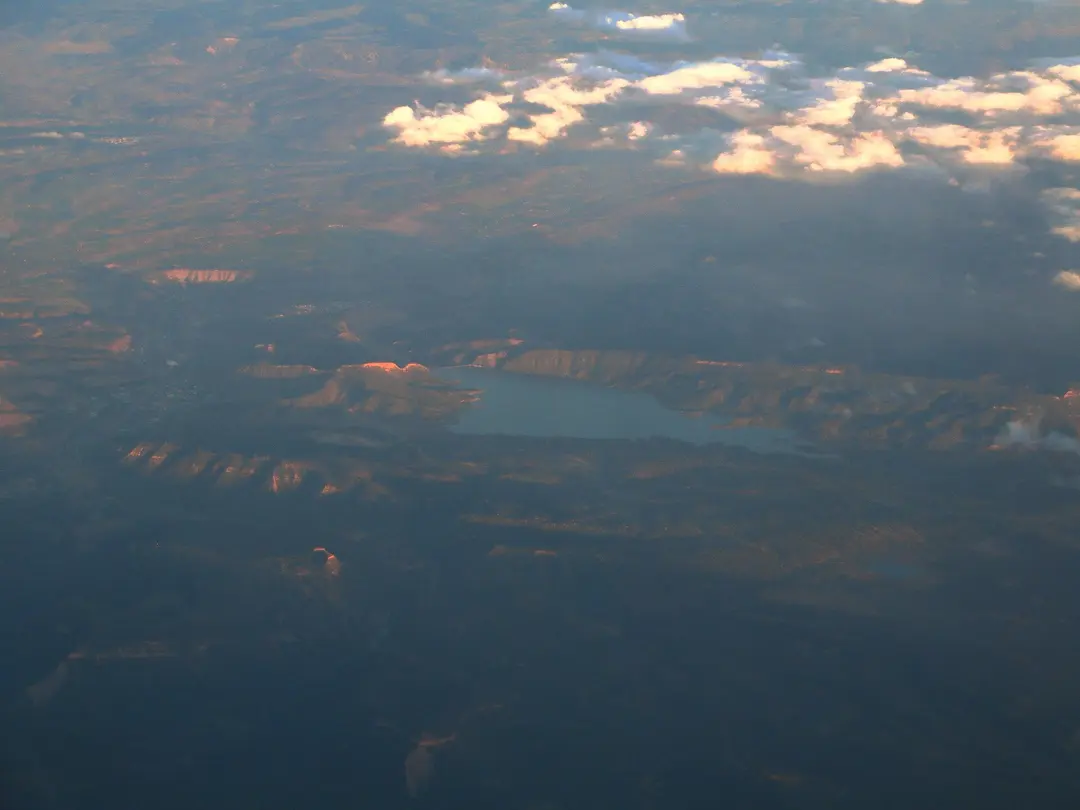
Cover photo: Ken Lund from Reno, Nevada, USA, CC BY-SA 2.0, Wikimedia Commons.
