Uzbekistan's Roads in 2026: Highway Conditions Region by Region
Where the highways have fresh asphalt, where there are roadworks and potholes, and which stretches are tricky at night or in winter — from Tashkent to Khorezm and the Fergana Valley.
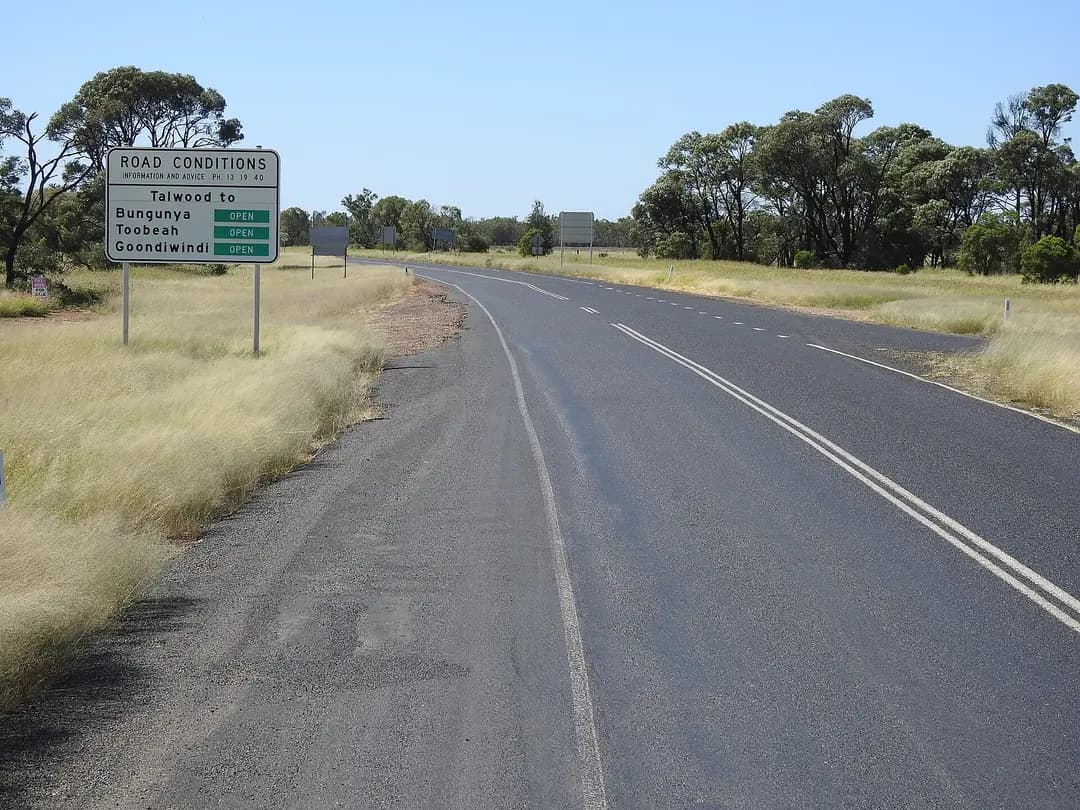
In recent years Uzbekistan has been actively repairing and widening its highways, so many decade-old stories about "terrible roads" are no longer accurate. The picture is uneven, though: a perfect four-lane stretch can suddenly give way to roadworks with a detour along a dirt track. Below is an overview of the main routes travellers use and what to be ready for. Specific repair sections change from month to month, so before a long trip it is worth checking the latest situation with drivers who travel the route regularly.
Tashkent — Samarkand: the country's main highway
The M39 from Tashkent through the Syrdarya and Jizzakh regions to Samarkand is about 300 km. It is one of the busiest and, on the whole, best-maintained highways.
- Most of the way is a multi-lane divided road; the drive takes a comfortable 4–5 hours with a short stop.
- Bottlenecks are the passages through towns and villages, where speed drops and cameras are installed, and repair sections that pop up now near Gulistan, now before Jizzakh.
- A tricky stretch is the gorge near Jizzakh (known as "Tamerlane's Gate"), where the road narrows and there are many lorries.
- At night you meet slow trucks with poor lights, and at village entrances, pedestrians and cyclists without reflectors.
A high-speed train runs on the Tashkent — Samarkand route, but the road remains popular: a car takes you door to door and lets you stop along the way.
The Fergana Valley: Kamchik Pass
The only road from Tashkent into the Fergana Valley that stays within the country crosses the Kamchik Pass (about 2,260 m). It is a beautiful but demanding stretch.
- The road is wide, with tunnels near the top of the pass, and the surface on the main highway is generally good.
- Hairpin bends, long climbs and descents and plenty of trucks — overtaking here is dangerous.
- In winter there may be snowfall, ice and temporary traffic restrictions; in bad weather the pass can be closed for several hours.
- In autumn and winter the lowlands can be foggy.
The Tashkent — Fergana trip takes around 4.5–5.5 hours. Inside the valley, roads between Andijan, Namangan, Fergana and Kokand are mostly good, but there are many settlements, traffic lights and speed limits, so the average speed is low.
Samarkand — Bukhara and further west
The Samarkand — Navoi — Bukhara section (about 270 km) has largely been renovated and takes a comfortable 3.5–4.5 hours. The road crosses fields, cotton-growing districts and small towns where you need to slow down.
Bukhara — Khiva: across the Kyzylkum
The highway across the Kyzylkum desert is the longest "empty" road a tourist is likely to drive: about 450 km and 6–7 hours. A large part of it has been rebuilt, with sections of concrete surface, but some stretches still have old asphalt, ruts and roadworks.
- Settlements are far apart, and fuel stations and cafés are few.
- Summer heat is intense: check the air conditioning and carry plenty of water.
- Part of the route runs along the Amu Darya river — beautiful, but tiring to drive at night because of the monotony.
- On sections under repair there are dusty dirt-track detours with speed limits.
It is best to travel Bukhara — Khiva by day, leaving in the morning so you reach Khiva before dark.
The south: Shahrisabz and Surkhandarya
The road from Samarkand to Shahrisabz over the Takhtakaracha Pass (about 1,700 m) is very scenic but narrow and winding, and in winter it may be closed because of snow. The alternative is a longer, calmer highway via Kitab. The road towards Termez passes through mountainous areas with long climbs and lots of trucks.
Karakalpakstan and the north-west
Highways in Karakalpakstan are long, straight and sparsely populated. The main risks are driver fatigue, crosswinds and sand drifting onto the road. Main roads are generally in acceptable condition, but secondary ones have potholes.
What makes night driving hard
After dark, take extra care anywhere outside the big cities:
- Lighting exists mainly at town entrances, not along the highway.
- Livestock wander onto the road — cows and sheep, especially in the evening when herds return home.
- You will meet carts, motorbikes and bicycles without lights.
- Roadworks are not always clearly marked.
- Many drivers use high beams and do not dip them.
What makes winter driving hard
Winters in the valleys are mild, but a few days a year snow and ice bring traffic to a standstill. The most sensitive spots are the Kamchik and Takhtakaracha passes, as well as the highways in Khorezm and Karakalpakstan, which see hard frosts and snowstorms. In winter, allow extra time for every trip.
Practical tips
- Start long journeys early in the morning so you cover difficult sections in daylight.
- Keep water, snacks and a charged phone in the car.
- Many cars run on gas — there can be queues at methane stations, so factor that into your travel time.
- Observe speed limits: there are many cameras on the highways.
If you would rather not deal with passes and roadworks yourself, it is easier to ride with a driver who does the route regularly. With Yo'ldosh you can book a seat in a shared ride: drivers are verified and you choose a departure time that suits you. The routes mentioned here are Tashkent — Samarkand, Bukhara — Khiva and Tashkent — Fergana.
Cover photo: Q8682, CC BY-SA 4.0, Wikimedia Commons.
