Night Trips: Is It Worth Travelling in the Dark
Pros and cons of leaving at night on long routes, how drivers can rest and what passengers should bring to arrive fresh.
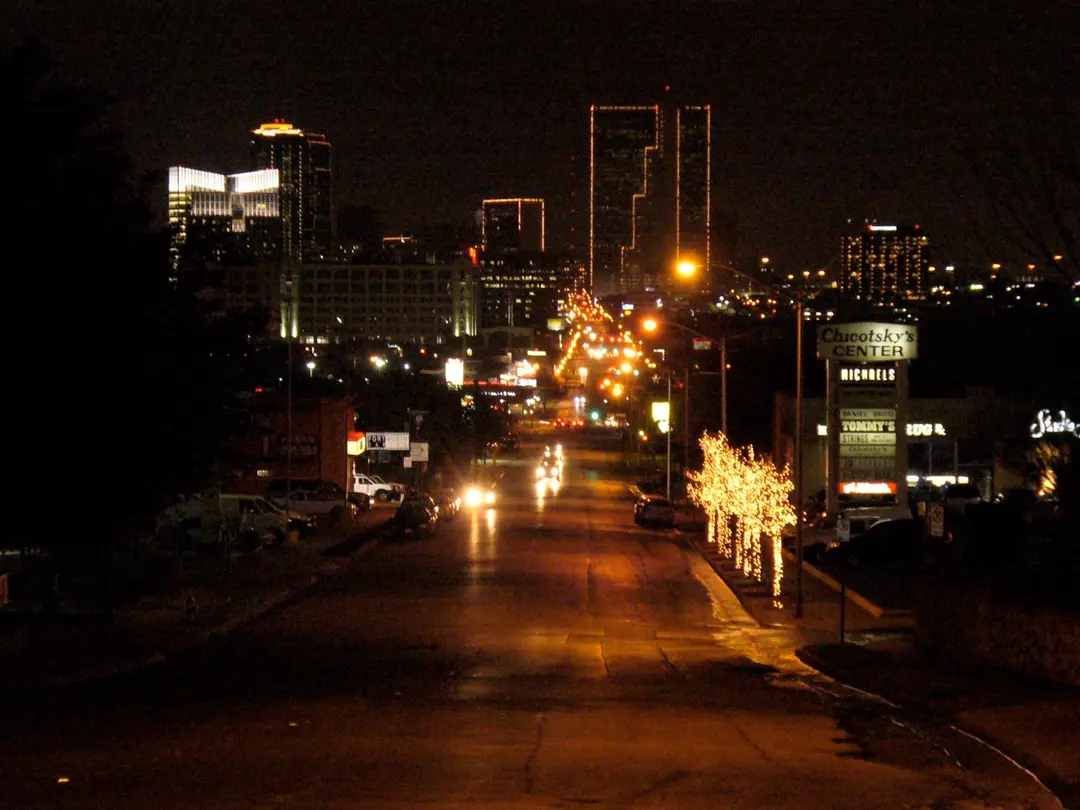
Leaving at night seems appealing: in the daytime the car is hot, the road is freer, and in the morning you are already there and can get straight on with things. But night trips also have serious downsides. Here is an honest look at when travelling at night is justified and when it is better to wait for dawn. This is particularly relevant on long routes like Tashkent — Nukus and Tashkent — Termez.
Pros of night trips
- Cool air. In summer, daytime temperatures in the south and west of the country exceed forty degrees. At night the car is more comfortable and the engine overheats less.
- Free roads. Fewer lorries and less traffic in built-up areas, so average speed is higher.
- Time saved. You leave in the evening and arrive in the morning without spending a whole working day on the road.
- Saving on lodging. A night on the road replaces a night in a hotel, which is especially valuable on a tight budget.
- Sleep on the way. A passenger can sleep while the driver drives.
Cons and risks
- Visibility. In the dark, road signs, potholes, pedestrians, animals on the road and cyclists without lights are harder to see.
- Fatigue and drowsiness. The body is used to sleeping at night, and it is much harder for a driver to stay focused. Drowsiness at the wheel is one of the main causes of accidents.
- Oncoming headlights. High beams dazzle.
- Few filling stations and little help. On desert stretches, for example on the way to Nukus, not all filling stations and cafes work at night, and help after a breakdown takes longer to arrive.
- Poor road condition. Potholes and damage on the highway are hard to spot in time.
- Fewer stops. Many cafes and teahouses are closed at night.
When a night departure is justified
- The route is very long, and daytime heat makes the trip hard.
- The driver is used to night driving and has rested well in the daytime.
- There is a second driver or passengers who will keep the driver awake.
- The road and sections are familiar and you know where to stop.
- The weather forecast is good, with no fog or rain.
When it is better to wait
- the driver did not sleep during the day and feels tired;
- there is fog, rain, ice or a dust storm on the highway;
- the route is mountainous and unfamiliar;
- the car has problems with lights or brakes;
- you cannot agree on safe stops.
If in doubt, postpone. Arriving in the morning instead of at night is better than not arriving at all.
For the driver: driving more safely at night
- Rest in the daytime. Sleep a few hours before leaving.
- Check the lights. Headlights, side lights and brake lights must work, and windows and mirrors be clean.
- Plan stops. Every two hours get out of the car, stretch and wash your face with cold water.
- Do not rush. Reduce speed in the dark: stopping distance is longer at night.
- Do not use high beams when cars approach.
- Drink water and tea. Caffeine and sweets help briefly but do not replace sleep.
- Signs of fatigue. Yawning, heavy eyelids, loss of focus, missed signs: stop and rest, even if you are close to your goal.
- Do not drive when severely tired. A twenty-minute nap in a safe place really helps.
For the passenger: how to prepare
- Sleep beforehand as much as you can.
- Bring a warm top or blanket: it is cool in the cabin at night, especially with air conditioning running.
- Pack water, a light snack and a rubbish bag.
- Take a neck pillow, a sleep mask and earplugs.
- Charge your phone and bring a power bank.
- Send family the trip details and departure time.
- Do not fall asleep before you are sure the driver is alert and not nodding off.
Talking with the driver
At night, conversation helps the driver. If you sit in the front, keep the conversation going and offer water or tea. If you notice the driver is tired, politely suggest stopping. It is not insulting, it is care for everyone's safety. Agree on this beforehand: in the Yo'ldosh app you can message the driver and discuss departure time and stops.
Safety above all
- Wear a seat belt.
- Do not get into the car if the driver looks tired or dubious.
- Do not hesitate to ask for a stop.
- Avoid stopping in deserted places: choose lit filling stations and cafes.
Bottom line
A night trip can be convenient and economical, but it requires preparation and discipline. The deciding factors are a rested driver and safe stops. If in doubt, leave in the morning. For passenger details see the for passengers page, for drivers the for drivers page, and all directions are collected on the all routes page.
Cover photo: raquel, CC BY 2.0, Wikimedia Commons.
