Crossing Mountain Passes in Winter: Tips for Passengers and Drivers
Kamchik and Takhtakaracha in winter: traffic restrictions, chains and winter tyres, what to pack and what to do if the road is temporarily closed.
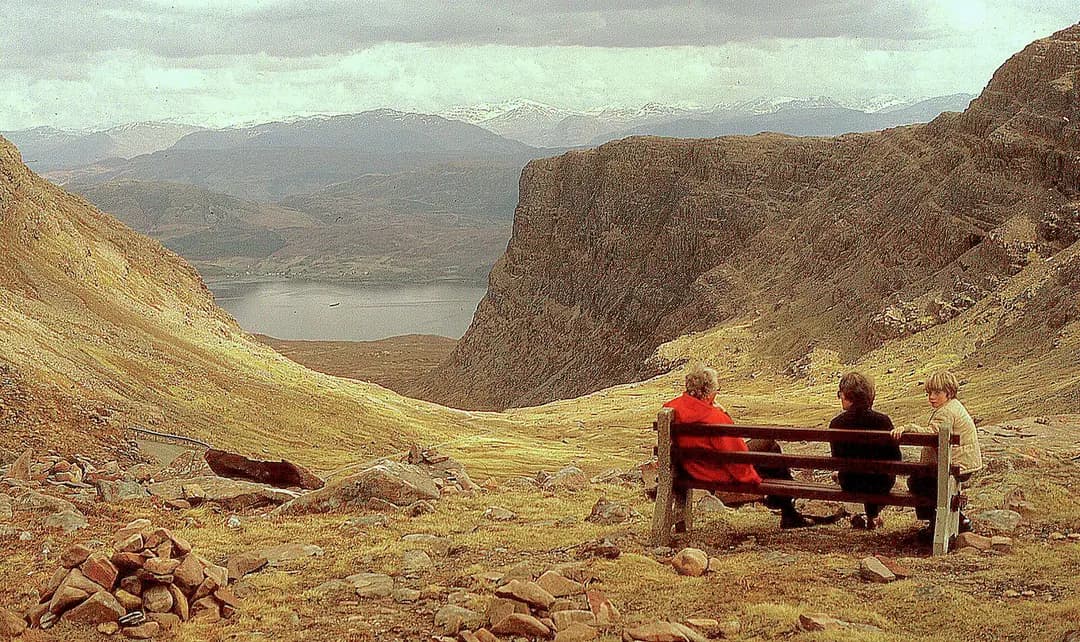
Two mountain roads in Uzbekistan get talked about more than any others in winter: the Kamchik pass between Tashkent and the Fergana Valley, and the Takhtakaracha pass between Samarkand and Shahrisabz. In summer they are scenic switchbacks. From December to March they are stretches where the weather can change your plans within an hour. The good news is that for most of the winter both roads are open, and with sensible preparation the trip goes smoothly.
Kamchik pass: the main road into the valley
The highway from Tashkent to the Fergana Valley climbs through Angren to the Kamchik pass, whose highest point is about 2,200 metres above sea level. The climb includes tunnels, long switchbacks and sections where wind piles up snow. The Tashkent – Fergana route is around 300–320 km and usually takes 4.5–6 hours; allow more in winter.
What happens on Kamchik in winter:
- In heavy snow and ice, traffic is restricted. Trucks and buses are usually the first to be stopped, while cars may be let through at intervals or in convoy.
- The road is sometimes closed temporarily, for a few hours while snowploughs work. Full closures of a day or more are rare but do happen.
- Cars are checked at the post before the climb. In bad weather you may be turned back without winter tyres.
- Night is riskier. Snow and ice are more dangerous early in the morning and late in the evening, so many drivers try to cross the pass in daylight in winter.
Takhtakaracha pass: short but temperamental
The road from Samarkand to Shahrisabz over Takhtakaracha is about 90 km, roughly 1.5–2 hours in summer. The pass is lower than Kamchik, at around 1,700 m, but the switchbacks are narrow and steep. After snowfall it is often closed, and drivers have to take a longer detour along the lowland road, which adds noticeable time.
If you are travelling Samarkand – Shahrisabz in winter, ask your driver in advance which way they plan to go, and do not book a tour that starts right at your expected arrival time.
How to find out if the pass is open
Official restrictions are announced by road services and traffic police, and the news usually appears in local media and regional Telegram channels, mostly in Uzbek and Russian. On the day of travel, the most reliable source is the driver: people who cross Kamchik regularly know the situation better than any forecast.
What to do as a passenger:
- The day before, check the forecast for Angren and the pass, not just for Tashkent.
- In the morning, ask the driver whether there is any news about closures.
- If heavy snow is forecast, consider moving your trip by a day. It is safer than any heroics.
What matters for drivers
For those who publish rides over the passes themselves:
- Winter tyres from December to March are not a luxury but the basis of safety. Summer tyres turn the climb into a lottery on snow and ice.
- Chains are worth carrying, and you should know how to fit them quickly. On steep sections after snowfall they make a real difference.
- A full tank before the climb, since the engine runs for a long time in a queue on the pass.
- Antifreeze washer fluid, a brush and an ice scraper.
- A tow rope, a torch, gloves and a warning triangle.
- An honest ride description. If you might reschedule because of weather, say so in your note. Passengers appreciate it.
More about publishing rides and communicating with passengers is in the for drivers section.
What passengers should bring
Even if the car is warm, pack as if you might spend a couple of hours standing in a convoy:
- a warm jacket, hat and gloves, kept within reach rather than in the boot;
- a thermos of tea and snacks for several hours;
- water;
- a charged phone and a power bank;
- any medication you need, in your hand luggage.
Motion sickness is worse on winter switchbacks. If you are prone to it, sit in front or by a window, take your usual remedy beforehand and avoid reading your phone on the climb.
If the road is closed
A closure is annoying but not a disaster. Restrictions are usually lifted within a few hours. Your options:
- Wait. This is most often the best choice. Agree with the driver where to wait: in Angren or at a roadside teahouse on the approach to the pass you can warm up and eat.
- Reschedule. If the closure was announced in advance, it is better to move the trip to the next day than to set off hoping for luck.
- Do not look for shortcuts through the mountains. Dirt and minor roads are dangerous in winter, and help takes a long time to reach them.
If you booked your seat through Yo'ldosh, message the driver in the chat to say whether you are happy to wait or prefer to reschedule. It makes agreeing easier and nobody is left guessing.
Quick reference
| Situation | What to do |
|---|---|
| Heavy snow forecast | Move departure by a day |
| Restrictions for cars | Travel in daylight, in convoy |
| Temporary closure | Wait somewhere warm, take no risks |
| Motion sickness on bends | Front seat, no phone screen |
The winter road through the mountains has its own beauty: the snowy slopes above Angren and the view over the valley after the descent stay with you for a long time. Check the current rides on Tashkent – Fergana and Samarkand – Shahrisabz, choose a morning departure and agree on a bad-weather plan with your driver in advance.
Cover photo: Mike McBey, CC BY 2.0, Wikimedia Commons.
