Chaikhana and Tea: The Rules of Uzbek Tea Drinking
Green or black, why tea is poured back three times, and how to behave in a chaikhana. Everything you need to feel confident at an Uzbek table.
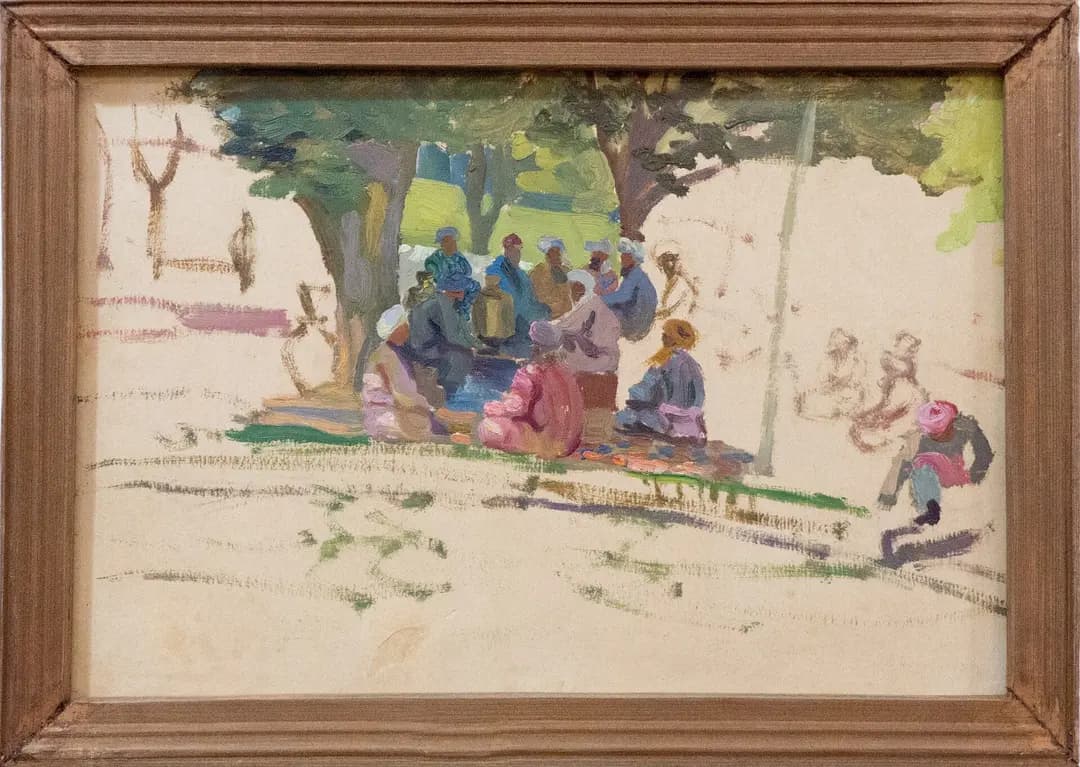
Tea in Uzbekistan is not just a drink. It is a sign of hospitality, a reason to talk and a way to spend a few hours in good company. The moment you sit down in a chaikhana, a teapot and bowls appear in front of you, even if you ordered nothing. Here is how the ritual works.
What a chaikhana is
A chaikhana is a traditional teahouse where people drink tea and eat. It is typically an open space or a covered area with low platforms (tapchans) topped with mats and cushions, where you sit cross-legged, plus tables; in cities ordinary tables are common too. In the shade of trees, beside an irrigation channel or a fountain, a chaikhana is the best place to escape the heat and watch life go by.
Chaikhanas serve not only tea but also simple dishes: shurpa, lagman, samsa, shashlik, manti, and plov at lunchtime. Many open in the morning, and in big cities they stay open in the evening.
Green or black
The main rule: green tea is the default. In most places, especially the Fergana Valley, Tashkent and Samarkand, green is what people drink. It quenches thirst better in the heat and, by local belief, aids digestion after fatty food. Black tea is more popular in some regions, and it will be served if you ask.
Tea is often flavoured with:
- mint or thyme;
- lemon or a slice of quince;
- honey or navat (crystallised sugar).
If you want to try something unusual, ask whether the chaikhana has a herbal blend.
The ritual of three pourings
The most noticeable detail is how the host or waiter prepares the tea. The first portion is poured into a bowl and immediately poured back into the pot. This is repeated three times. It mixes the brew evenly so the strength is consistent. Only then is tea poured for guests.
Another tradition: the bowl is filled only halfway, or even a third. The reason is simple: the tea stays hot, and the host shows respect by topping up again and again. A bowl filled to the brim is a sign that the host does not want the guest to linger.
How to drink tea properly
- Take the bowl with your right hand or with both hands. Taking it with the left hand alone is not customary.
- When tea is poured for you, thank your host by placing your right hand on your heart.
- When you do not want more, cover the bowl with your palm or turn it upside down.
- Do not stir sugar with a spoon as in other countries. Tea is drunk without sugar, and sweets are eaten separately.
- Do not rush. Tea drinking is unhurried, and hurrying is considered impolite.
What is served with tea
Several kinds of treats come with tea:
- flatbread (non), fresh and warm;
- sweets: halva, parvarda, navat;
- dried fruit and nuts: apricots, raisins, almonds;
- samsa or manti if it is a heartier tea.
Tea and a good flatbread can already replace a light breakfast.
Chaikhana etiquette
- Take off your shoes before stepping onto the mats or platform. Leave them at the edge.
- Do not lie down or stretch your legs towards other people.
- Sit so that the soles of your feet are not shown to elders.
- Photograph people only with permission.
- If a group of men is having lunch, do not be surprised: many traditional places are visited mainly by men, but tourists, including women, are always welcome.
- The bill is usually brought at the end, and tips are optional.
How much tea costs
Tea in a chaikhana is usually inexpensive, and the pot is included in the price of the meal or charged as a small extra. In tourist areas prices are higher. Exact sums change, so ask the waiter before ordering.
Where to try it
The best chaikhanas are the ones locals go to. In Samarkand and Bukhara there are many quiet courtyards around the historic centres where tea is served in the shade of grapevines. In Tashkent chaikhanas are found in every district, and in Fergana and Margilan they often stand next to the bazaars.
A good way to try several chaikhanas on one trip is to head south along the highway. On the road from the capital to Samarkand there are teahouses with a good reputation, offering fresh tea and simple dishes. If you travel without a car, use shared rides: on the Tashkent — Samarkand page drivers post trips, and many are happy to make a tea stop. You book a seat in the Yo'ldosh app, and other directions are collected on the all routes page.
Tea as a language
Over tea in Uzbekistan, deals are made, neighbours reconcile and family matters are settled. If you are invited for tea, it is a sign of trust. Do not rush to decline even if you are full. Sit for at least half an hour and talk: ask about family, the city, a dish you liked. Hosts value sincere interest.
The takeaway
Uzbek tea drinking teaches you to slow down. Three pourings, a half-empty bowl, quiet conversation and flatbread on a tray: behind these small things stands respect for the guest. Find a chaikhana in the shade, order a pot of green tea and do not hurry. That is exactly how to get to know Uzbekistan.
Cover photo: Fabienkhan, Public domain, Wikimedia Commons.
