October and November in the Mountains: Last Hikes Before the Snow
Where you can still hike in late autumn, how fast the weather changes and what to bring so the hike stays safe.
Late autumn in the mountains is a special time. Slopes are painted gold and bronze, the air is transparent, the trails are almost empty and the sky overhead is clear. But it is also a period when mountain weather changes within hours and the first snow can close a pass. Here is where you can still hike in October and November and how to do it safely.
What happens in the mountains in autumn
- October. At 1000 to 2000 m it is around +8 to +15 C by day and around 0 C at night. Slopes are yellow and the air is clean. One of the best months for short hikes.
- November. +2 to +10 C by day and frost at night. At higher altitudes snow already lies, and passes may be icy. The day is short, with dark falling around five.
Sudden weather change is the main feature. The morning can be clear, then clouds, wind and snow blow in by day. So plan hikes with a margin of time and clothing.
Where to hike
Mountains around Tashkent
The surroundings of Chimgan, Beldersay, Charvak and Gazalkent are the most convenient for short autumn hikes. They are 1.5 to 2 hours from the capital, and routes can be done in a day.
- Chimgan and surroundings. Low trails to viewpoints and along ridges. By November there is snow on the peaks and the cable car may not run.
- Beldersay. A gorge with a river, trails on the slopes and autumn colours.
- Charvak. The reservoir shore, easy walks and mountain views.
- Khumson, Parkent and Bostanliq. Quiet villages, orchards and fruit at the bazaars.
On the way to the mountains you pass through Chirchik, from where the road continues to Gazalkent and Charvak. For a trip from the capital the Tashkent to Chirchik route is handy: about 30 to 40 km and 40 to 60 minutes.
Other mountain areas
Zaamin and Nurata, Baysun and the Hissar range are beautiful places, but in autumn it gets cold faster there and roads need attention. Go there with an experienced guide and after checking the forecast.
How to prepare
- Check the forecast. Look not only at temperature but also at precipitation, wind and visibility. Mountains create their own weather.
- Start early. Plan the route so you are back by 15 or 16.
- Do not go alone. A group or a guide is better, especially on unfamiliar trails.
- Leave a plan. Tell someone where you are going and when you will return.
- Watch the time. If the weather worsens, turn back: the mountain is not going anywhere.
- Know your level. In autumn trails can be slippery, rocks wet and fallen leaves hide unevenness.
What to bring
Clothing
- thermal underwear;
- fleece or a warm sweater;
- a wind- and water-resistant jacket;
- a hat, gloves, and a scarf or buff;
- spare dry clothes in a bag;
- socks (at least one spare pair).
Footwear
Trekking boots with good tread and waterproofing. Sneakers slip on wet grass and rock.
Gear and food
- a 20 to 30 litre backpack;
- at least 1.5 to 2 litres of water per person;
- a thermos of hot tea;
- snacks: nuts, dried fruit, sandwiches, chocolate;
- a headlamp with spare batteries;
- a power bank and a charged phone;
- a first-aid kit: plasters, bandage, painkillers, cold remedies;
- a map or downloaded offline map and a compass;
- trekking poles if your knees are sensitive.
All of this helps if the weather changes or you are delayed.
Late autumn hazards
- Ice and wet rocks. Trails are slippery after rain, especially on descents.
- Cold and wind. Chill creeps up fast. If you get cold, stop, dress up and warm up with hot tea.
- Short day. It gets dark early, and going back without a light is dangerous.
- Fog. You lose orientation, so stay on the trail.
- Avalanches and slides. In November there may be danger on steep slopes above 2000 m, so avoid them.
- Wild animals. Near villages dogs may appear; keep your distance and do not feed them.
If you are unsure, choose short and simple routes. A good saying about mountain wisdom: "better to turn back early than not to return at all".
Getting there
By car it is about 1.5 to 2 hours from Tashkent to the mountains. Returning along a dark mountain road in the evening is unpleasant, so plan to return before sunset. A shared ride is a convenient option: in the Yo'ldosh app the driver publishes a trip in advance, you book a seat and see a verified profile. For mountain hikes, agree the return time beforehand and keep in mind that in cold weather the schedule can slip. Short trips to the mountains start with the Tashkent to Chirchik direction.
A weekend idea
- Leave at 7 or 8 in the morning.
- Start hiking at 9 or 9:30 and cover 8 to 12 km on an easy trail.
- Take a break with hot tea and a snack around noon.
- Start back by 14.
- Be in the car by 16 or 17 and drive back.
Bottom line
Late autumn in the mountains is beautiful and quiet but demands care. Watch the weather, dress in layers, carry food and a light, and do not take risks. Choose your route on the page for Tashkent to Chirchik and head for the mountains before the snow settles.
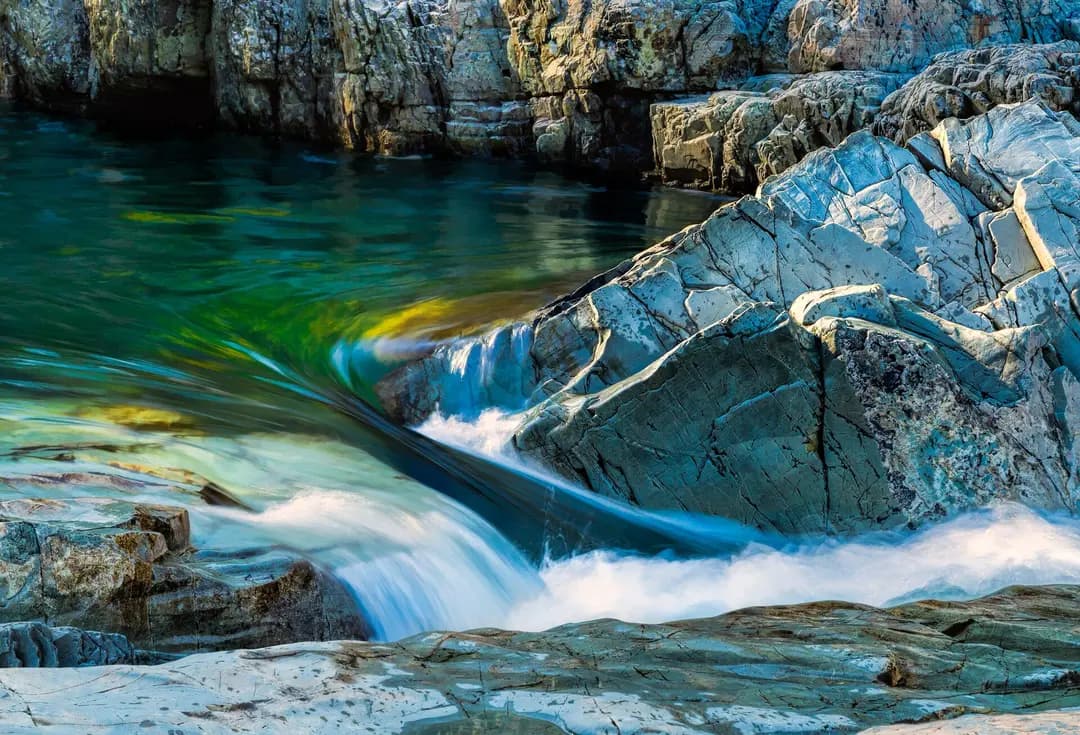
Cover photo: Sheila Sund from Salem, United States, CC BY 2.0, Wikimedia Commons.
