Daily Commuting Between Cities: How to Do It Cheaply
How students and employees commute together on Chirchik — Tashkent, Almalyk — Tashkent and Yangiyul — Tashkent and save time and money.
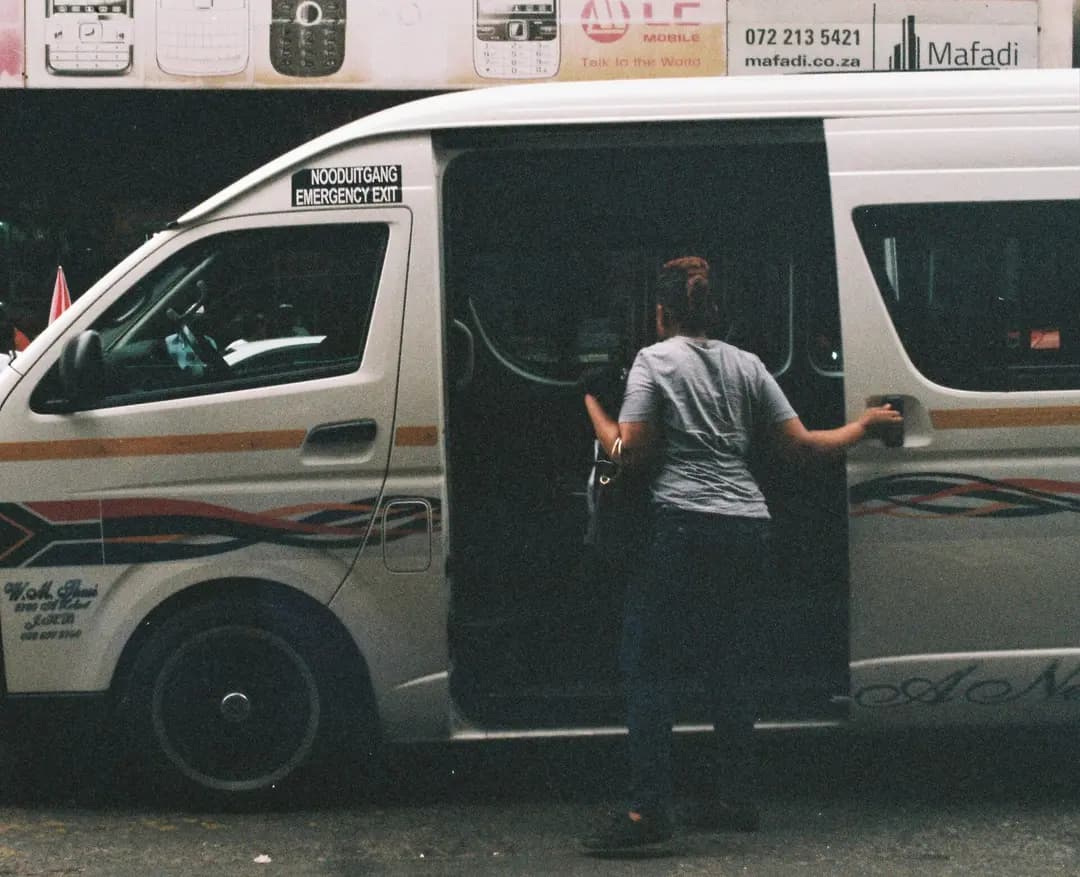
Around Tashkent there is a whole belt of satellite towns: Chirchik, Almalyk, Yangiyul, Angren and others. Many residents travel from there to the capital every day for work or study and back. The road takes from half an hour to an hour and a half depending on traffic, and the monthly cost adds up noticeably. One way to make such trips cheaper and more convenient is to travel together. Here is how it works in practice.
Why commuting is so common
Housing in the suburbs is usually more affordable than in the centre of the capital, while work and university are in Tashkent. So morning and evening trips have become routine. The problem is that public transport is packed at rush hour, a private car needs spending on petrol or gas and parking, and a taxi on this pattern gets expensive.
Shared rides as the solution
The idea is simple: a driver who is going to work in Tashkent anyway takes fellow travelers, who share the cost of the road. Everyone wins.
- The driver recovers part of the fuel, sometimes more, and does not drive alone.
- Passengers pay less than for a taxi and get a seat in a warm car instead of a crush.
- Together they reduce road load: fewer single-occupant cars.
On Chirchik — Tashkent this is especially in demand: the route is short, the flow of people is large, and regular trips are easy to organise.
Three popular routes
Chirchik — Tashkent
A nearby city with a large flow of students and employees. The road is short, and passengers readily choose a morning departure to make the start of the workday or classes.
Almalyk — Tashkent
A longer road. Many go to work and study or return home at the end of the week. On Almalyk — Tashkent a predictable departure time and a reliable driver are especially valued.
Yangiyul — Tashkent
A near suburb with a constant flow. The Yangiyul — Tashkent route is convenient because the trip is short and you can pick a time to fit your schedule.
How to organise a regular trip
- Define your schedule. The start and end times of work or classes.
- Find a driver or become one. If you have a car, publish a regular trip. If not, choose a driver with a suitable time.
- Agree on a pickup point. It is best to choose a convenient spot near home and a similar one for drop-off near work.
- Discuss the price. For regular trips many agree on a fair fixed cost.
- Agree on rules. Waiting time, music, stops on the way.
- A backup plan. For days when the trip does not happen, keep an alternative: public transport or another driver.
How this saves money
Calculate the monthly cost: fares or fuel for 20 working days in both directions. As a passenger, you split the cost of the road among passengers. As a driver, fuel costs are partly offset by fellow travelers. Exact sums depend on distance, fuel use and number of people, so estimate your own figures and compare them with your current spending.
Benefits for students
- An inexpensive and steady way to get to classes.
- The chance to travel with a group of friends.
- Less dependence on crowded buses.
- Flexibility if the class timetable changes.
Benefits for employees
- A predictable arrival time at work.
- A calm start to the day instead of a crush on transport.
- The chance to rest or work on the way.
- Getting to know colleagues and neighbours.
Tips to make it work
- Be punctual: in the morning hours the driver is in a hurry, just like you.
- Warn in advance about absences.
- Respect the rules of the driver and other passengers.
- Agree on the evening return: times may change.
- Take minimal luggage.
- Wear a seat belt and observe safety.
Bottom line
Daily trips between cities do not have to be expensive and tiring. Organising them together makes them cheaper, calmer and more pleasant. For more for passengers see the for passengers page, and for drivers the for drivers page. All directions are available on the all routes page.
Cover photo: LondekaT, CC BY-SA 4.0, Wikimedia Commons.
