Kasan: a quiet Kashkadarya town through a traveller's eyes
A bazaar, old mahallas, rural Kashkadarya all around and easy links with Qarshi and Bukhara: what to see in Kasan in half a day and how to get there.
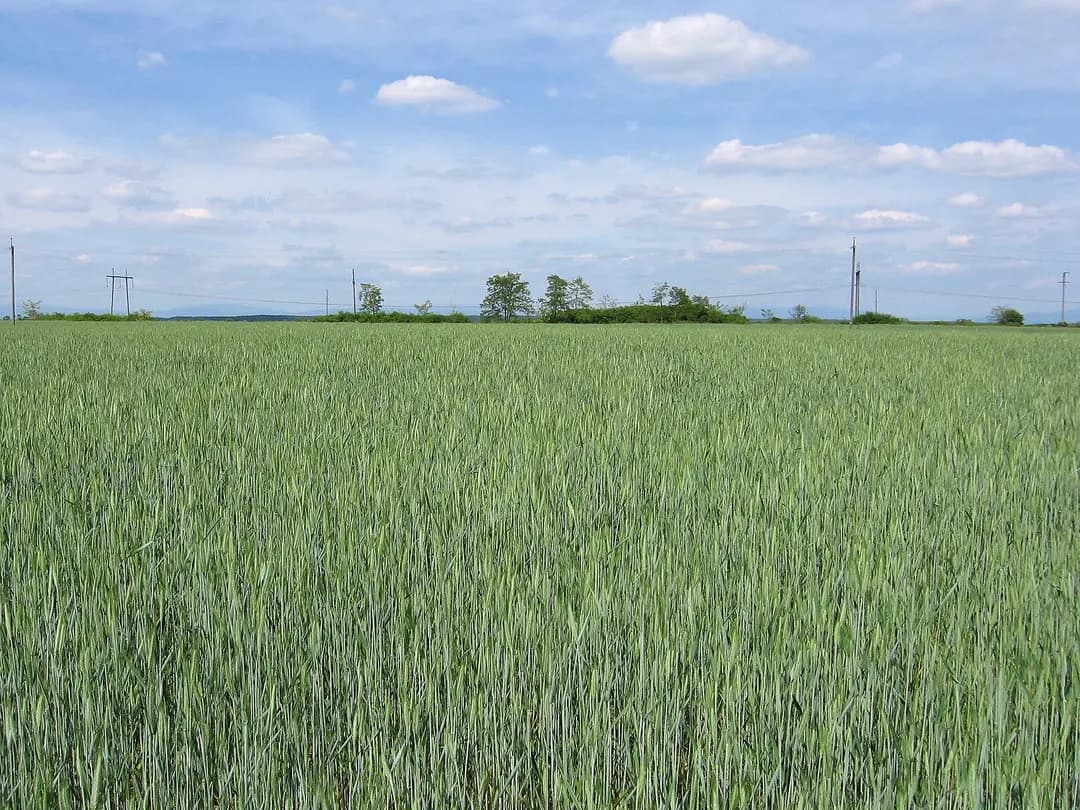
You will not find Kasan in guidebooks to Uzbekistan, and fairly so: there are no famous madrasas or minarets here. But if you are curious about how ordinary Kashkadarya lives away from the tourist routes, this district town north-west of Qarshi is ideal. A morning bazaar where people haggle over melons and mutton, mahallas behind clay walls, teahouses where the harvest is discussed: Kasan shows the region without a shop window. Here is how to spend half a day here and how to fit the town into a trip between Qarshi and Bukhara.
Where Kasan is
Kasan lies in the north-western part of the Kashkadarya region, about 30–40 km from Qarshi. The drive from the regional capital takes about 40 minutes. The town sits in an area of irrigated farming, surrounded by wheat and cotton fields, melon patches, orchards and canals, while further west and north the Qarshi steppe begins.
Roads towards Mubarek and on to Bukhara run through the district, so Kasan is often on the way for people travelling between the two regions.
What the town looks like today
Kasan is a typical Kashkadarya district centre. In the middle are administrative buildings, a square, a park and rows of shops and cafes. A little further out the mahallas begin: single-storey houses behind tall clay or brick walls, inner courtyards with vines and tandoor ovens, and narrow lanes where children play.
The town is growing, with new housing, schools and sports grounds appearing. But the rhythm of life remains rural: early mornings, the bazaar first thing, long tea-drinking sessions in the evening.
The bazaar: the heart of town
If you are short on time, go to the bazaar. It is the best way to understand Kasan:
- Vegetables and melons. Kashkadarya is famous for its melons and watermelons; in late summer they are sold in heaps straight from trucks.
- Meat and dairy. Mutton from local farms, katyk yoghurt, suzma strained curd and qurt, dried balls of salty curd that people take on journeys.
- Bread. Tandoor flatbread; every district has its own recipe and its own pattern stamped on the loaf.
- Household goods. Cauldrons, crockery, fabrics, carpets and kurpacha quilts.
The best time is early morning, especially at weekends when people come in from the surrounding villages. By midday trading quietens down.
What to eat
Kashkadarya food is hearty and meat-heavy. In Kasan's teahouses, try:
- Plov: cooked for lunch in big cauldrons.
- Tandir gosht: mutton slow-cooked in a tandoor for several hours, especially popular in the south of the country.
- Shurpa: a rich soup with large pieces of meat and vegetables.
- Shashlik: grilled over charcoal and served with onions and bread.
- Tea: green, with or without sugar, in endless small bowls.
Half a day in Kasan: a sample plan
- Morning. Arrive by 8 or 9, wander the bazaar and have breakfast of hot samsa and tea right among the stalls.
- Before lunch. A slow walk through the mahallas and the central park; with luck, someone will invite you into a courtyard to watch bread being baked in a tandoor.
- Lunch. Plov or tandir gosht in a teahouse; arrive around noon while the choice is still full.
- Afternoon. Head back to Qarshi or continue towards Mubarek and Bukhara.
Links with Qarshi and Bukhara
Kasan fits well into a route around the south:
- Qarshi. The region's main city, with the Odina mosque, the Kok Gumbaz mosque and the old bridge over the Kashkadarya, 40 minutes away.
- Mubarek. A gas town in the steppe, a handy lunch stop on the way north-west.
- Bukhara. The road via Mubarek leads to Bukhara; the whole trip from Kasan takes roughly 2.5–3 hours.
- Shahrisabz. Coming from the other direction, you can reach Shahrisabz and its Ak-Saray palace via Qarshi.
When to go
The best seasons are spring (March to May), when the fields are green and the air is fresh, and autumn (September to November), when the bazaars are full of the harvest. Summer in Kasan is hot, over 40°C, so plan the active part of your day for the morning. Winters are cool, but snow is rare.
How to get there
Minibuses and taxis run from Qarshi to Kasan. A convenient alternative is a shared ride: on the Kasan – Qarshi route drivers post trips on Yo'ldosh, and you book a seat for the time you need. That makes it easier to get back to Qarshi by evening or, the other way round, to reach Kasan in time for the bazaar opening. You pay only for your own seat, and the driver is shown in the app in advance.
Practical tips
- The bazaar and teahouses run on cash; there are ATMs in the centre.
- Dress modestly: Kasan is a conservative rural town.
- Ask before photographing people, especially women.
- A few words of Uzbek go a long way: "Assalomu alaykum" (hello), "Rahmat" (thank you), "Qancha?" (how much?).
- In summer wear a hat and carry water.
Kasan is for those who want to see Kashkadarya as it really is: hard-working, hospitable and unhurried. If you are planning a trip, check rides on the Kasan – Qarshi route, and find other connections in the region under all routes.
Cover photo: Dogvillan, CC BY-SA 4.0, Wikimedia Commons.
