Methane, Propane and Petrol: How Refuelling Works in Uzbekistan
Why most cars in Uzbekistan run on gas, where the queues at methane stations come from, how to find 95-octane petrol and how all this affects travel time between cities.
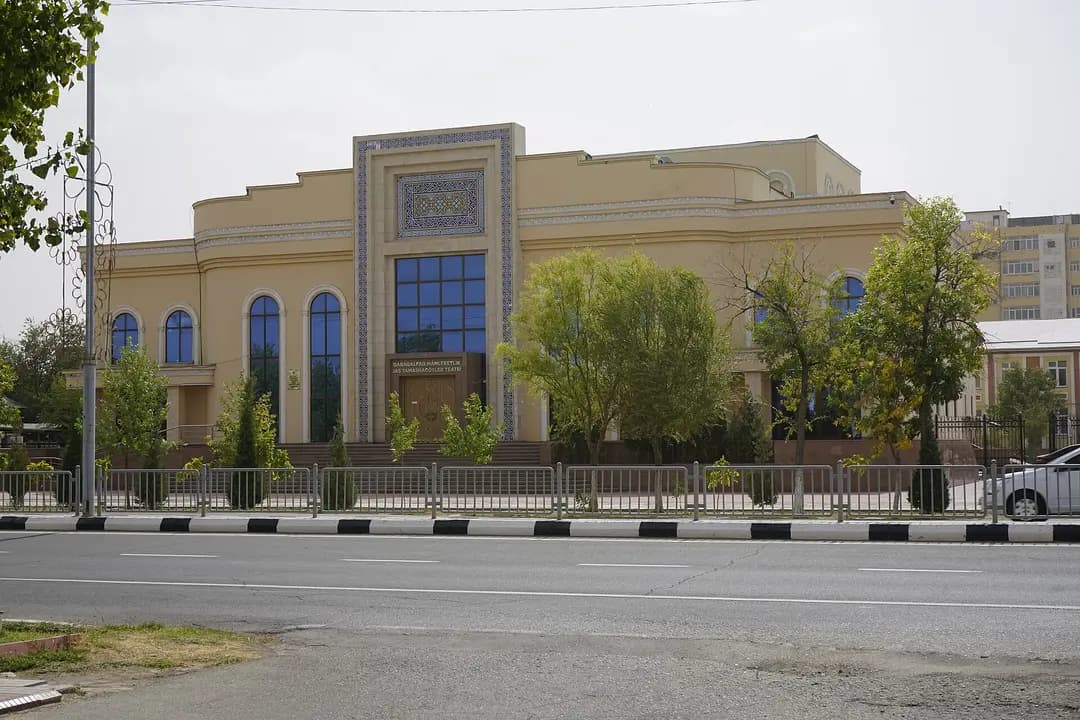
The first thing that surprises visitors on Uzbekistan's roads is the long lines of cars outside stations marked "Metan" and the passengers standing by the roadside while the driver fills up. To understand how travel around the country works, it helps to know the local fuel scene: what cars run on, why you sometimes have to wait, and what this means for you as a passenger or as the driver of a rental car.
Why almost everyone drives on gas
Uzbekistan is a major producer of natural gas, and compressed methane has historically cost several times less than petrol. That is why a huge share of passenger cars, especially the popular locally assembled sedans and minivans, are fitted with gas cylinder equipment. These cars can also run on petrol, but owners try to use gas — it saves a noticeable amount of money on every trip.
The typical approach for taxi drivers and people who often drive between cities:
- methane is the main fuel;
- petrol is the backup if there is no gas nearby or the queue is too long;
- on long routes the driver already knows where the convenient methane stations are along the way.
Methane, propane, petrol and diesel
| Fuel | Where you find it | Notes |
|---|---|---|
| Methane (compressed gas) | The most common filling stations on highways and in cities | Cheap, but queues happen; passengers are asked to step out |
| Propane (liquefied gas) | Separate gas stations | Less common than methane, faster to fill |
| Petrol 80/91/92 octane | Most ordinary petrol stations | The most widely used grades |
| Petrol 95 octane and higher | Large chain stations in cities | Less common outside cities |
| Diesel | Highway stations | Mainly for trucks and SUVs |
Fuel prices change regularly, so quoting exact figures makes little sense: check the board at the station.
Why there are queues at methane stations
Queues form for several reasons:
- There are lots of gas-powered cars. At rush hour, dozens of vehicles line up at city stations.
- Filling is slow. A cylinder takes longer to fill than a petrol tank.
- Seasonal restrictions. In the cold months, when gas consumption for heating rises, supply to some stations may be limited and queues get longer.
- Safety rules. At methane stations passengers are usually asked to get out of the car and wait to one side — this is standard practice, not the driver's whim.
For a passenger this means something simple: a long trip will almost certainly include one refuelling stop, which can take anywhere from a few minutes to half an hour. Treat it as a break — stretch your legs, buy water or tea.
Where to find 95-octane petrol
If you have rented a car that needs high-octane fuel, keep in mind:
- in Tashkent, Samarkand, Bukhara and other large cities, 95-octane is available at major chain stations;
- on highways and in rural districts you are more likely to see 80 and 91/92, and 95 may be missing;
- fill up completely before leaving a big city, without waiting for the warning light;
- from time to time particular petrol grades run short — keep some range in reserve.
How it affects long routes
On short trips refuelling is barely noticeable. On long routes, though, it is worth building into your plans.
Tashkent — Samarkand. About 300 km along the busy M39 highway, where stations are plentiful. Drivers usually fill up at the start or halfway, near Gulistan or Jizzakh. A Tashkent — Samarkand trip takes 4–5 hours including the stop.
Tashkent — Nukus. One of the longest routes in the country: more than 1,100 km via Samarkand, Bukhara and the Kyzylkum desert, with around 14–16 hours or more on the road. Stations are rare on the desert stretch, so drivers plan in advance where to fill up with gas and where with petrol. On the Tashkent — Nukus route these stops are part of the normal rhythm rather than a delay.
Tips for passengers
- If you need to arrive by a certain time — for a train or a flight — allow an extra 30–40 minutes for a possible queue.
- Getting out of the car at a methane station is a safety rule. Step aside and do not smoke.
- You can leave valuables in the car in the driver's sight or take them with you.
- In winter, trips in gas-powered cars may take a little longer because of queues.
Tips for those behind the wheel
- Before your trip, ask the rental company which fuel the car uses and whether it has gas equipment.
- Do not count on "the next station" in the desert or mountains — fill up in advance.
- Save the major stations along your route in offline maps.
- Paying in cash (som) or with a local card is easiest: foreign cards are not accepted everywhere.
Electric cars
In large cities, especially Tashkent, the number of electric cars and charging stations is growing fast. For trips around Tashkent and nearby towns this is already a realistic option, but on long highways chargers are still scarce, so most intercity drivers continue to use gas and petrol.
If you would rather not think about fuel at all, travel as a passenger. With Yo'ldosh you book a seat with a verified driver who plans the refuelling stops himself. It is usually cheaper than a private taxi, and you pick a departure time that fits your schedule. See available trips on the Tashkent — Samarkand and Tashkent — Nukus pages, and read more in the for passengers section.
Cover photo: Carl Ha, CC BY-SA 4.0, Wikimedia Commons.
