Traffic Police Checkpoints and Document Checks on Uzbek Highways
Where the fixed checkpoints stand on intercity roads, what police may check for drivers and passengers, and which documents to keep handy so a stop takes only a couple of minutes.
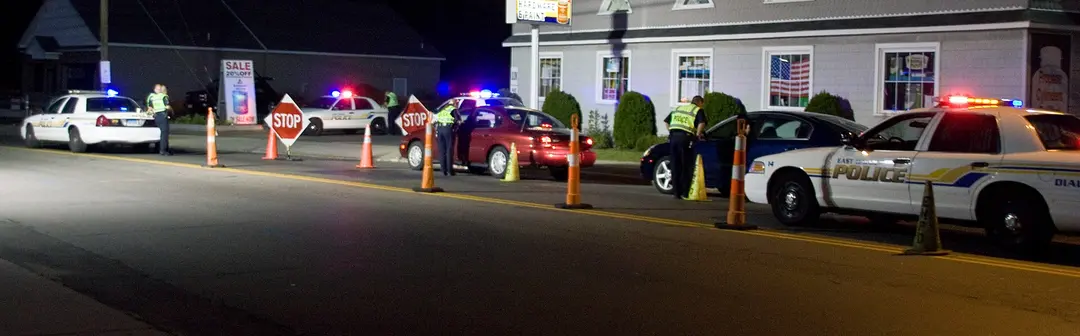
Anyone driving in Uzbekistan for the first time is usually surprised by the number of fixed police checkpoints on the highways. For local drivers they are a normal part of the road: the car slows down, sometimes an officer waves you over and checks documents, and a few minutes later you are on your way. For these stops to go smoothly, it is enough to know where they happen and what to have ready.
Where checkpoints usually are
Fixed traffic police posts are most often located:
- at the entrances and exits of large cities;
- at regional borders, when you cross from one region into another;
- before important infrastructure, tunnels and mountain passes;
- in border areas, especially in the south of the country.
Before a post there are usually speed limit signs and road markings, sometimes speed bumps. Slow down in advance, following the signs. Besides the posts there are many speed cameras on the highways, so speeding in the hope of slipping through is a bad idea.
What drivers are checked for
The driver must carry:
- a driving licence;
- the vehicle registration certificate;
- a compulsory third-party liability insurance policy;
- if the car does not belong to the driver, a document confirming the right to drive it. The required form of this document has changed over time, so check the current rules.
For cars running on gas, the officer may ask about documents confirming the gas equipment inspection. Window tinting is only allowed with a permit, and that is sometimes checked too. Seatbelts, child restraints and working lights are frequent reasons for remarks.
What passengers are checked for
Passengers are usually left alone, but in some places, especially in border areas and at regional entry points, officers may ask everyone in the car for documents. So:
- citizens of Uzbekistan should carry their ID card or passport;
- foreigners should carry their passport, a visa if required and proof of temporary registration;
- do not pack documents deep in the boot, keep them in a bag on your lap.
Passengers may be asked to fasten their seatbelts, since belts are mandatory in all seats and the responsibility is shared.
The Tashkent to Fergana route
On the Tashkent — Fergana highway, about 310 km and 4.5 to 5 hours of driving, there are posts on the way out of Tashkent region, around Angren and before the Kamchik pass, as well as at the entrance to the Fergana Valley. The section over the pass is mountainous, with speed limits and a special traffic regime in bad weather. In winter restrictions may be introduced for certain types of vehicles, and in heavy snowfall the road is temporarily closed. These decisions are enforced at the posts, so follow the officers' instructions.
The Samarkand to Termez route
The Samarkand — Termez road is about 370 km and 6 to 7 hours. It runs through Kashkadarya region and then over a mountainous section near Baysun into Surkhandarya. Surkhandarya is a border region: Termez stands on the Amu Darya next to the border with Afghanistan. At the entrance to the region and within it, document checks are more frequent and thorough, including for passengers. This is standard practice, so take it calmly and keep your documents handy. It is especially important for foreigners not to forget their passport and registration.
How to behave at a checkpoint
- Slow down in advance to the speed shown on the signs.
- If an officer signals you to stop, pull over to the roadside or into the lay-by at the post.
- Do not get out of the car unless asked, and keep your hands visible.
- Say hello and calmly hand over your documents.
- If there is a violation, ask what exactly it is. Fines in Uzbekistan are paid officially, through banks and payment apps. You do not need to, and must not, pay an officer in cash on the spot.
- If you disagree with a decision, you have the right to appeal it through the official procedure.
Politeness and calm on both sides are the best way to get back on the road quickly.
Common reasons for being stopped
- speeding just before a checkpoint;
- passengers without seatbelts, especially in the back;
- a child without a child restraint;
- headlights or brake lights not working;
- overloading or luggage blocking the view;
- tinted windows without a permit.
Shared rides and checks
If you are a passenger on a shared ride, a check looks exactly the same as in any private car. On Yo'ldosh drivers publish trips and passengers book seats in advance, so everyone in the car knows the route and the timing. Good practice for the driver is to warn passengers beforehand that there will be checkpoints and that documents should be kept at hand. And for the passenger, to fasten the seatbelt straight away without waiting to be told.
In short
Checkpoints on Uzbek highways are an ordinary part of the journey. Keep to the signed speed, have your documents within reach, make sure every passenger is belted up, and a stop will take a couple of minutes. Look at trips on the Tashkent — Fergana and Samarkand — Termez routes, and find more on passenger rules on the for passengers page.
Cover photo: Versageek, CC BY-SA 3.0, Wikimedia Commons.
