Russian in Uzbekistan: Where It Works and Where It Doesn't
Will Russian get you by in Uzbekistan, how far does English go, and which Uzbek words will help on the road, at the bazaar and in a taxi.
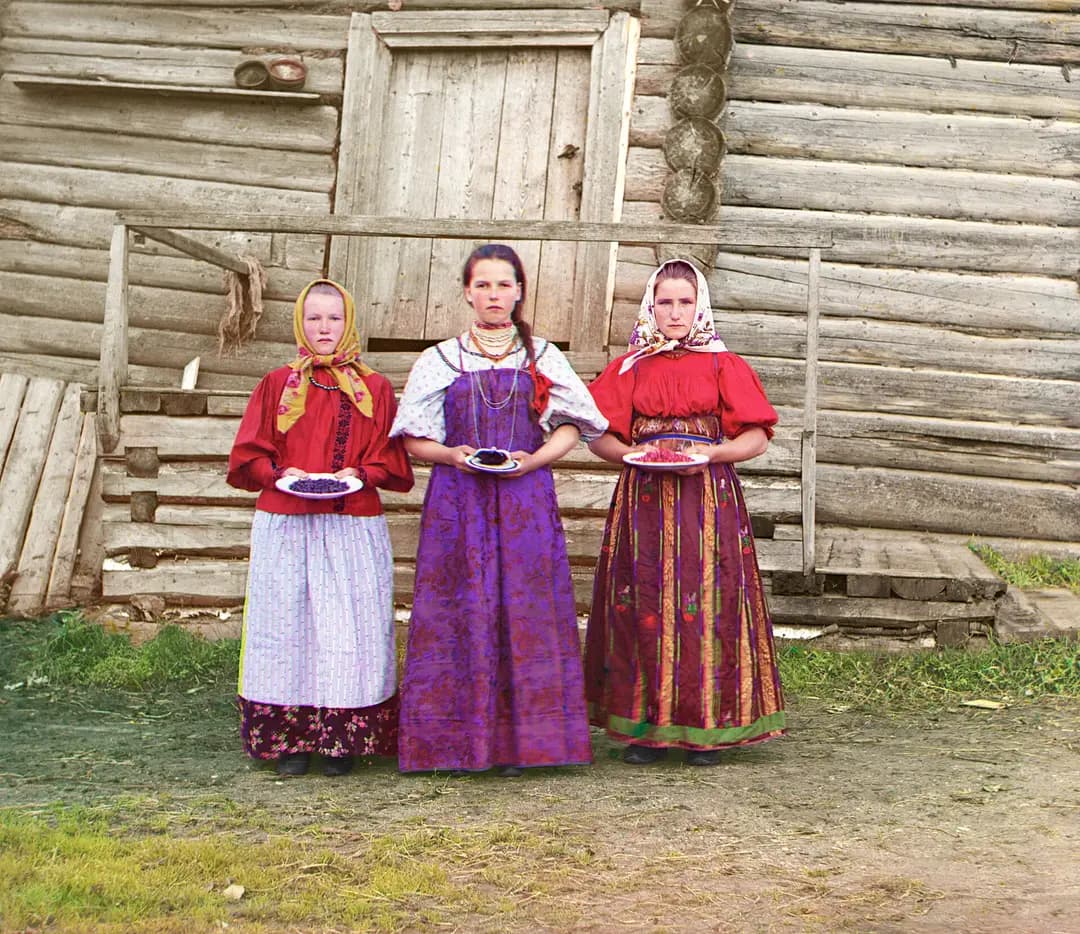
One of the most common questions before a trip: will people understand me if I only speak Russian? The short answer is that in big cities and tourist areas almost always yes, while in the countryside it depends on the person's age and the region. Here is what to expect, step by step.
Russian in Tashkent
The capital is the most Russian-speaking city in the country. In the centre, on the metro, in shops, cafes, banks and pharmacies people will switch to Russian without fuss. Signs, transport announcements and menus are often duplicated in Russian. Young people frequently flip between Uzbek and Russian mid-sentence, and that is completely normal.
In residential districts and at outlying markets you may meet sellers who are more comfortable in Uzbek, but nearly everyone knows basic numbers, product names and the phrase for "how much" in Russian.
Samarkand, Bukhara and Khiva
In the tourist cities Russian is understood at hotels, hostels, restaurants near the main sights and in souvenir shops. Many sellers and guides speak both Russian and English fluently, and some add French or German. Russian is stronger in Bukhara and Samarkand, while English is more noticeable in Khiva, which gets many foreign visitors.
Away from the tourist streets the picture changes: in residential neighbourhoods, with street vendors and with older people, Russian may be limited to a few phrases. That is not a problem, just a reason to smile and point.
The valleys and the regions
In the Fergana Valley, Khorezm, Karakalpakstan, Surkhandarya and Kashkadarya, Uzbek dominates daily life (and Karakalpak does in Nukus). The older generation, educated in Soviet schools, usually speaks good Russian. Young people in villages know it less well, but it is taught in schools, so a basic explanation is normally possible.
A practical rule: the further you are from a regional centre and from tourist routes, the more simple Uzbek words and patience will help.
What about English
- At mid-range and upscale hotels, larger hostels and with tourist guides, English works well.
- Taxi and minibus drivers and bazaar sellers know isolated words: prices, numbers, names of sights.
- ATMs, payment terminals and many mobile apps offer English, Russian and Uzbek interfaces.
- If the person understands neither Russian nor English, a phone translator and an offline map with Latin-script names will help.
Useful Uzbek words
Learning around ten words is worth it: locals are genuinely pleased by any attempt to speak their language.
| Word | Meaning | Pronunciation |
|---|---|---|
| Salom | Hello | sah-LOM |
| Rahmat | Thank you | rakh-MAT |
| Iltimos | Please | il-ti-MOS |
| Qancha? | How much? | KAN-cha |
| Ha / Yo'q | Yes / No | ha / yok |
| Xayr | Goodbye | khayr |
| Kechirasiz | Excuse me | ke-chi-RA-siz |
| Yaxshi | Good | yakh-SHI |
You will also want "Qayerda?" (where?), "Bu nima?" (what is this?) and the numbers one to ten. A detailed phrasebook with transcription is in our separate article.
Communicating on the road
On intercity trips you will often talk to the driver. If you choose a shared ride, you can message the driver in the app beforehand to confirm the pickup point, and the route and time are already listed in the trip, so you will not need many words. By comparison, finding a car at a taxi stand means negotiating and clarifying details out loud, which is harder without the language.
A few tips:
- Write city names and addresses in both Latin and Cyrillic so you can show them to a driver.
- Download an offline map and an Uzbek-capable translator before you leave.
- Confirm price and time before getting in, not on the way.
- Ask people to repeat: in Uzbekistan this is received with understanding.
- Do not be afraid to mix languages: Russian, English and gestures together almost always work.
Bottom line for travelers
If you speak Russian, in Tashkent, Samarkand, Bukhara and on the main routes you will have practically no problems. In remote districts, a few Uzbek words, a phone with a translator and some patience will help. Uzbekistan is a hospitable country, and any awkwardness over language usually ends in tea and conversation.
Planning a trip to Fergana? Take a look at Tashkent — Fergana: driver, time and pickup point are known in advance, and seats are booked in the Yo'ldosh app. All directions are collected on the all routes page.
Cover photo: Sergei Prokudin-Gorskii, Public domain, Wikimedia Commons.
