The Arashan Lakes: A Hike to Mountain Lakes Beyond Chimgan
The route to the turquoise Arashan lakes: approximate length, elevation gain, overnight camping and trail hazards worth knowing about in advance.
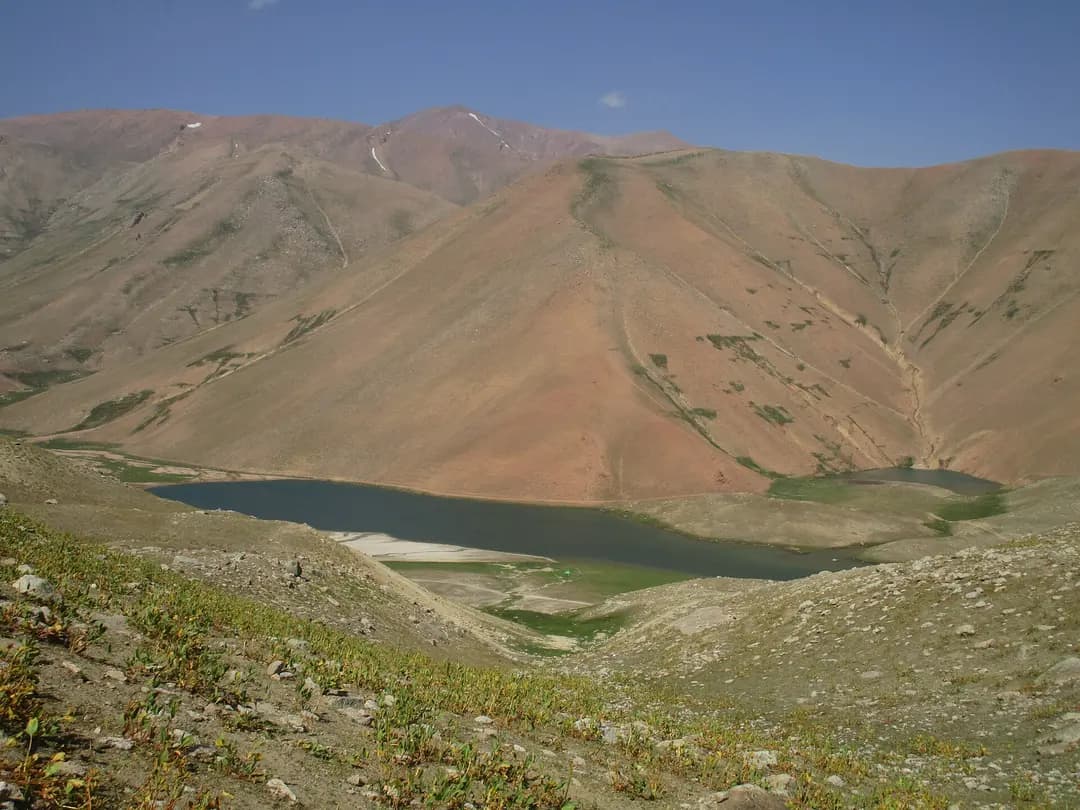
The Arashan lakes are a group of small mountain lakes in the Bostanlyk district, beyond Chimgan, whose water has a turquoise hue rare for the region. They can be reached only on foot, so the hike is more of an adventure than a stroll. It is not the simplest route, but those who get there rarely regret the effort. Here is how to prepare.
What to know right away
The route to Arashan is not for beginners. It needs stamina, good footwear and at least minimal hiking experience. Exact figures for length and elevation gain differ slightly between sources, so assume the hike takes a full day, or two days with a night out, with a climb of several hundred metres. It is better to confirm the parameters with a guide or a hiking club before setting out. Part of the area may have a special protection regime, so find out the visiting rules in advance.
Reaching the start of the trail
The start of the route lies beyond the village of Chimgan, in the mountain part of the Bostanlyk district. From Tashkent the road goes through Chirchik, Gazalkent and Brichmulla, roughly 80 to 90 kilometres, about two hours on an ordinary day. Route description: Tashkent — Chirchik. Beyond that, to the start of the footpath, you need a car or an arrangement with a local driver. Plan your arrival so that you can start walking early in the morning.
Route description
The trail first follows a valley along a river, then climbs the slope through meadows and juniper groves. The gradient increases gradually, and on the upper sections you emerge onto open rocky slopes. The lakes lie in a bowl between ridges, and the view of them opens suddenly. The water is clean, cold and bright turquoise, especially in sunny weather. Around is silence, wind and birdsong.
Most hikers do it like this:
- Day one. Set off early in the morning, climb to the lakes, rest and take photos, pitch camp.
- Evening. Dinner by a campfire if permitted, or on a gas stove.
- Day two. Dawn by the water, then descend the same way.
A one-day version helps the hurried, but it is tiring, so an overnight stay is more pleasant.
Season
- June to September is the main season: snow has left the trail, days are long and weather is relatively stable.
- Spring is beautiful, but the trail may be wet or snowy and streams in spate.
- Autumn is good for clear days, but nights are already cold.
- Winter is not suitable for an ordinary hike because of snow and avalanche danger.
Hazards
- Afternoon thunderstorms. Staying on open ridges is dangerous.
- Cold and rain, especially at altitude. Even in summer frost is possible at night.
- Slippery and crumbling sections of the trail.
- Stream crossings, which become strong torrents after rain.
- Fatigue and overestimating your strength. Do not set off late and do not force the pace.
- No mobile coverage in the gorges.
- Encounters with sheepdogs near flocks: do not approach the flock and do not run.
Overnight gear
- A tent designed for wind and rain.
- A sleeping bag with a comfort rating no higher than 0 degrees.
- A sleeping mat.
- A gas stove and cookware. Campfires in protected zones are usually forbidden.
- A water supply or a filter. Always treat stream water.
- Warm clothes: fleece, down jacket, hat, gloves.
- A waterproof jacket and a rucksack cover.
- A headlamp.
- A first-aid kit and plasters.
- A rubbish bag.
Do you need a guide
Experienced hikers manage alone. But for a first hike it is better to go with a local guide or as part of a group. He knows the trail, judges the weather and helps if problems arise. Agree in advance and confirm the price, which depends on the group and season. Always tell your family the route and expected return time.
Rules of conduct
Do not wash dishes or bathe with soap in the lakes, do not leave rubbish and do not pick plants. Carry out everything you brought in, including food waste. Do not make noise, so as not to scare animals. Respect other hikers and local people.
Getting there without a car
Minibuses run to Chimgan, but they do not suit an early start. You can stay overnight in the village the day before and start in the morning. Another option is a shared ride. On Yo'ldosh you can find a driver heading from Tashkent towards Chirchik and beyond and book a seat. You pay only for your seat. Agree in advance how you will return after the hike.
Practical tips
Check the forecast the day before and postpone the hike if rain or thunder is promised. Do not go alone. Carry cash, since terminals do not work everywhere. Prices for guides, lodging and transport are approximate and best confirmed when booking.
Find other directions on the all routes page, and read how to book rides in the for passengers section.
Cover photo: German Stimban, CC BY-SA 4.0, Wikimedia Commons.
