The Bibi-Khanym Mosque: Timur's grand project and its legends
The story of a huge congregational mosque, its ruin and restoration, and what Samarkand locals say about it, from a queen's love to the marble Quran stand.
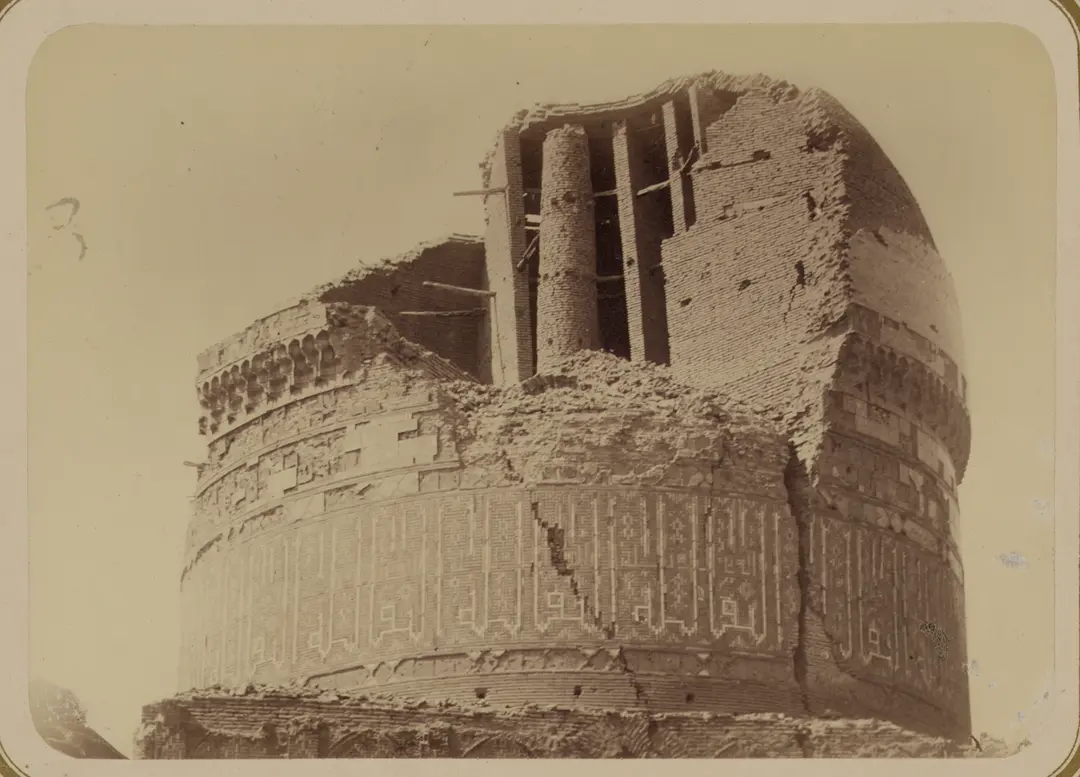
The Bibi-Khanym Mosque is one of the grandest buildings in Samarkand. It was built on Tamerlane's orders at the very end of the fourteenth century, after his victorious campaign in India, and was meant to be the largest mosque in the Islamic world. Today it is a huge complex with tall portals, blue domes and a spacious courtyard. If you are heading to Samarkand, for example along the road from Jizzakh, the mosque is worth including: it is visible from afar and impressive in scale.
History of the construction
Building of the mosque began around 1399 and lasted several years. Timur brought craftsmen and architects from different countries to Samarkand, as well as elephants from India to haul heavy materials. He personally watched the progress and urged the builders on. The mosque's dimensions were gigantic: the main portal reached about 35 metres in height, and the courtyard was designed for thousands of worshippers.
The haste had its effect. The building went up too fast, and the structures were not fully robust. Even in Timur's lifetime bricks began to fall from the dome. Over time the mosque fell into decline, and earthquakes ruined it further. In the twentieth century restoration began, and it continues today. You now see a restored ensemble, but traces of past destruction remain.
Legends of Bibi-Khanym
The mosque has many legends that Samarkand people love to tell.
The legend of the queen
The most famous story is tied to Bibi-Khanym, Timur's chief wife. According to the tale, while her husband was away on campaign she decided to surprise him and build a majestic mosque. The architect, in love with the queen, agreed to finish the work only in exchange for a kiss. She refused, but he left a mark on her cheek. When Timur returned he was furious, and the architect fled and threw himself from a minaret. Historians doubt this story because it is beautiful but not documented. Even so it gives the mosque a romantic tint.
The marble Quran stand
In the courtyard stands an enormous marble stand for the Quran, made under Ulugh Beg. By tradition, women who dream of children should pass beneath it. The belief is still alive: you may see local women doing it.
What to see
- The main portal. Its height and size are impressive. Remains of mosaic and inscriptions survive.
- The domes. The large turquoise domes are visible from afar.
- The inner courtyard. Wide and surrounded by galleries. You can sit in the shade here and study the building.
- The marble stand. In the centre of the courtyard.
- The side mosques. At the sides of the courtyard stand small mosques that can be viewed.
How to spend your time
A visit usually takes 30 to 60 minutes. The best light is in the morning and at sunset, when the blue domes are especially expressive. Do not forget to step into the nearby Siab bazaar, which sells flatbread, dried fruit, spices and sweets.
Visiting rules
- Dress modestly: shoulders and knees covered. A scarf is advisable for women.
- Keep quiet and be respectful.
- Entry is paid, but the price and hours may change, so check before you visit.
- Follow the signs: some parts of the complex may be closed for restoration.
Getting to Samarkand
From Jizzakh to Samarkand it is about two hours by car on a good highway. You can choose a minibus, a taxi or a shared ride: the Jizzakh to Samarkand page collects available trips. In the Yo'ldosh app you book one seat and see the driver's profile and departure time. It is inexpensive and convenient if you travel light and want to leave at a convenient time.
Practical tips
- Come in the morning, before the heat and the crowds.
- Bring water and a hat.
- Watch your belongings in a crowd.
- Combine the mosque with the Registan, Gur-Emir and the bazaar.
- Do not climb the walls or touch fragile elements.
When to go
The best time is spring and autumn, when it is not hot and the sky is clear. In summer come early in the morning or in the evening.
Plan your trip
To get to Samarkand from Jizzakh, open the Jizzakh to Samarkand page. Other directions are in all routes. Drivers heading to Samarkand will find the for drivers page useful.
Cover photo: Bogaevskii, Nikolai V., 1843-1912, Public domain, Wikimedia Commons.
