Samarkand Paper: How It Is Made in Konigil
The revived craft of mulberry paper: how the process works, what a visitor sees at the riverside workshop and which souvenirs to take home.
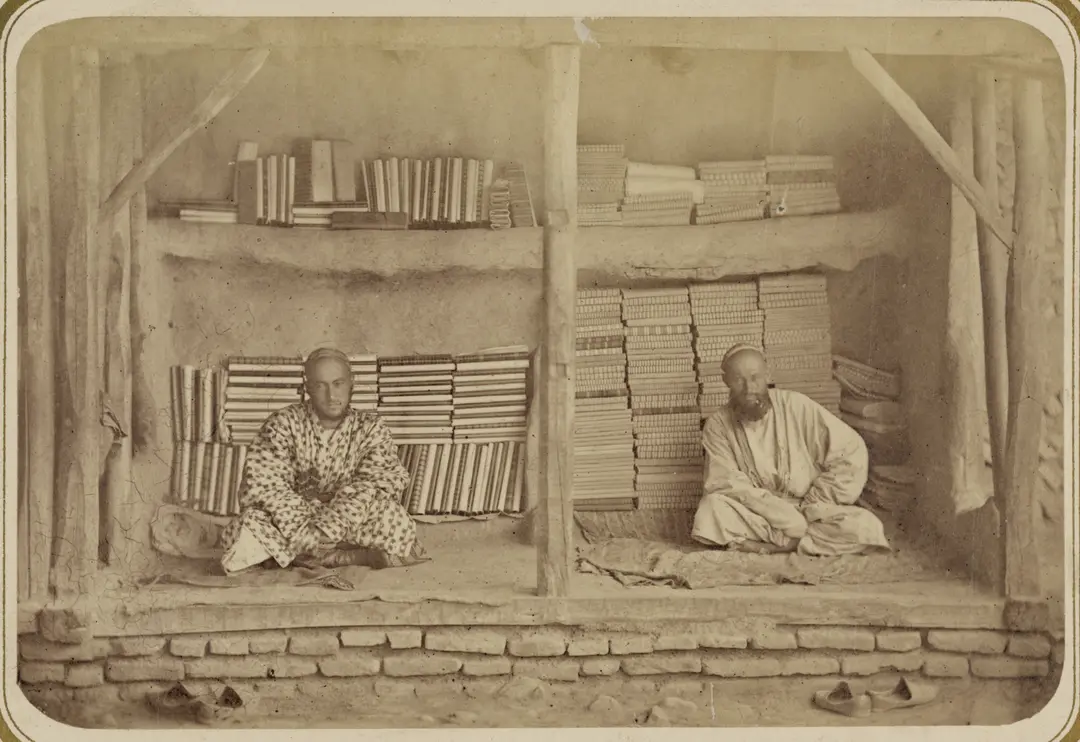
Samarkand was famous for centuries not only for its architecture but also for its paper. According to tradition, the secret of making it arrived from China, and Samarkand paper travelled to Baghdad, Damascus and beyond. Then the craft faded into the past, but in our time it has been revived. Today in the village of Konigil near the city you can see paper being made from mulberry bark by an ancient technology. Here is what awaits you and how to build a route together with a trip on Samarkand — Tashkent or an excursion to Urgut.
A little history
Samarkand paper is tied to the history of the Great Silk Road. According to a well-known tradition, Chinese craftsmen who found themselves in Central Asia in the eighth century shared the secret of papermaking, and the city became its centre. Samarkand paper was prized for density and durability, and manuscripts and documents were written on it. The craft gradually died out when cheaper methods appeared, and in the late twentieth century enthusiasts revived it, and a workshop appeared in Konigil.
Where Konigil is
Konigil is a small village on the Siab river, only a few kilometres from the centre of Samarkand. You can get there in 15-20 minutes by car or taxi. The workshop is often combined into a day programme with the Registan, the Gur-Emir mausoleum and Siab Bazaar. The trip does not take much time and suits family outings too.
How the paper is made
The main feature of Samarkand paper is in the raw material and the method. The bark of young mulberry shoots is used, from a tree that grows everywhere in Uzbekistan.
- Preparing the bark. Bark is stripped from branches, cleaned, soaked in water and boiled to soften the fibres.
- Pulping. The soft fibres are turned into a uniform mass. Traditionally this is done with a water mill, where heavy wooden hammers driven by the river current pound the fibres. This method helps you understand how craftsmen worked many centuries ago.
- Forming the sheet. The pulp is diluted in water and scooped with a special screen that holds back the fibres while the water drains. A thin layer forms, the future sheet.
- Drying. Sheets are laid on flat surfaces and dried in the air.
- Polishing. When the paper is dry, it is burnished with a smooth stone or shell. The surface becomes even and it is comfortable to write on with a pen.
The result is a warm, dense, slightly rough paper of a creamy shade that only grows more beautiful with time.
What a visitor sees
In the workshop you will see most of the process live: from soaked bark to finished sheets. Guests are shown how the mill works, the stages are demonstrated, and you are given a chance to try yourself, for example scooping a sheet or working with a pen. Often you can write your name on Samarkand paper with a calligraphy pen, one of the nicest moments of the visit.
Next door there is usually a souvenir shop and a small museum where you can look at ancient samples and manuscripts.
What to bring home
- Sheets and notebooks. Notebooks and journals of mulberry paper.
- Postcards and bookmarks. Light, inexpensive and convenient in luggage.
- Calligraphy pieces. Inscriptions, ornaments, miniatures.
- Dolls and crafts. The paper is used in decoration and doll-making.
- Gift sets. Paper combined with silk and ceramics.
Prices depend on the size and complexity of the item. Check them on the spot and choose what you really like. Buying straight from the workshop supports the revival of the craft.
How to organise the visit
- Go in the morning: you will see the masters at work and avoid the heat.
- Allow about an hour to an hour and a half for the visit.
- Bring cash and a small bag for purchases.
- Ask whether you can take part in the process: it will be remembered for a long time.
- Opening hours are best checked in advance: they may depend on season and day of the week.
For those travelling between Samarkand and Tashkent, the workshop is easy to include before departure. A shared ride on Samarkand — Tashkent lets you choose a convenient departure time in Yo'ldosh so you do not have to rush. For lovers of the surroundings, neighbouring Urgut with its bazaar is a good fit. All directions are collected on the all routes page.
Bottom line
Samarkand paper is a living reminder that a craft can be revived. An hour in Konigil gives a sense of connection with antiquity and a souvenir you can hold, write on and give to loved ones.
Cover photo: Kun, Aleksandr L., 1840-1888, Public domain, Wikimedia Commons.
