Cherry and apricot season: May and June in the Fergana Valley
In late spring the valley smells of ripe fruit: cherries, apricots, mulberries and strawberries are sold right by the orchards. When to go, where to buy and how to get it all home.
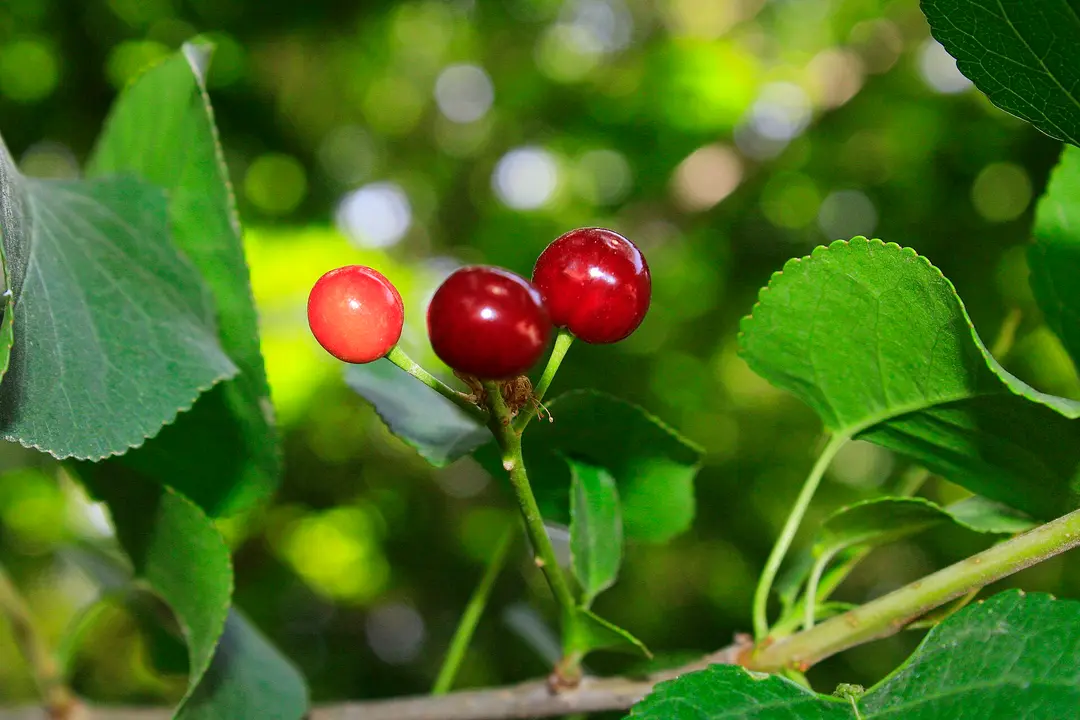
The Fergana Valley is ringed by mountains, so it has a milder climate and more water than the rest of the country. That is why it is called Uzbekistan's fruit garden. The tastiest time is late May and June, when cherries, apricots, mulberries and the first peaches ripen one after another. If you love fruit, it is worth a dedicated trip: in Namangan and Fergana the harvest is sold straight from the trees, and prices are noticeably lower than in the capital.
Harvest calendar
Timing depends on that year's weather and on altitude: in the foothills everything ripens a week or two later than on the valley floor. A rough guide:
| Period | What ripens |
|---|---|
| Mid to late May | Strawberries, early cherries, mulberries |
| Late May to mid June | Main cherry season, sour cherries |
| June | Early apricots, white and black mulberries |
| Late June to July | Late apricots, first peaches and early grapes |
If you want both cherries and apricots in one trip, aim for the first half of June.
Cherries: where and how to buy
Namangan's orchards are known for large dark cherries, but good fruit is sold all over the valley. Where to buy:
- By the road next to the orchards. Growers set up tables with crates and buckets along the highways. The cherries are fresh, picked that morning.
- At city bazaars. More choice and the chance to compare prices. Mornings are busiest.
- In the orchard itself. In villages you can sometimes arrange with the owners to pick your own. Ask politely and never walk into an orchard uninvited.
How to choose:
- Cherries should be firm and glossy, with green stems. Dry brown stems mean the fruit has been sitting around.
- Very soft or split cherries will not survive the trip.
- Taste first: bazaar sellers almost always let you try.
Apricots: fresh and dried
Fergana apricots are a point of local pride. Fresh ones are best in June, while dried apricots are sold all year, though new batches appear in summer.
Good to know:
- Whole or pitted. Uzbeks dry apricots either whole with the stone (urik) or pitted (kuraga). Whole dried apricots are the more traditional kind.
- Colour is not everything. Bright orange dried apricots have often been treated to keep their colour. Naturally dried ones are darker and brownish, but have a richer taste.
- Apricot kernels are sold separately, roasted with salt, and are a popular snack with tea.
Combining fruit with a valley trip
A loop works well:
- Tashkent to Namangan. The Tashkent — Namangan route is about 290 km over the Kamchik pass, 4.5 to 5 hours. Orchards begin right after the pass.
- Namangan to Fergana. About 70 to 80 km, with an easy stop at the silk workshops of Margilan.
- Fergana back to Tashkent. The Tashkent — Fergana road in reverse, about 310 km and 5 hours. On the way you pass Rishtan with its ceramics, and Kokand.
Three days are enough for this loop. In season many valley residents drive to Tashkent with crates of fruit for relatives, and weekend cars fill up quickly. On Yo'ldosh you can find a ride in advance and book a seat: cheaper than a taxi, with a departure time that suits you.
Getting the fruit home
Cherries and apricots are delicate cargo, especially in June heat.
- Containers. Buy in wooden or plastic crates rather than bags. Sellers usually pack the fruit so it will not get crushed.
- Do not wash before travelling. Wet fruit spoils faster.
- Keep it in the shade. Do not leave a crate in the boot of a parked car in the sun. If you are sharing a ride, let the driver know about your cargo so they can make room.
- Quantity. Do not buy more than you can eat in three or four days, as cherries do not keep long.
- Across borders. Taking fresh fruit out of the country may require phytosanitary documents, depending on your destination. Dried fruit in factory packaging is simpler.
What else to do in the valley this season
- Margilan. Watch atlas silk being woven by hand and buy fabric.
- Rishtan. Pottery workshops with blue and turquoise glazes.
- Shakhimardan. A cool mountain exclave with a river, though you need to check border crossing rules before you go.
- An orchard teahouse. In June it is lovely to have lunch under the trees beside an irrigation channel, where it is cooler than in town.
Practical tips
- Heat. In June the valley already reaches +33 to +36°C. Visit orchards in the morning.
- Cash. Growers and roadside sellers take cash only.
- Wash fruit with drinking water before eating.
- Do not overdo cherries with cold water, a classic piece of advice from local grandmothers that is worth heeding.
The takeaway
Late spring and early summer are the best time to get to know the Fergana Valley. Plan your trip for the first half of June and build your route with the Tashkent — Namangan and Tashkent — Fergana pages. If you are driving to the valley and have spare seats, you can offer them through the for drivers section.
Cover photo: Humoyun Mehridinov, CC BY-SA 4.0, Wikimedia Commons.
