Morning Plov in Tashkent: Why It Is Eaten Before Noon
The tradition of plov for breakfast, the men's dawn "nahorgi osh", cauldrons that run empty by lunchtime, and how not to miss the best plov in the capital.
The first piece of advice a visitor to Tashkent gets from locals is that you go for plov in the morning. Not in the evening like dinner, not even at lunchtime, but in the morning, when the cauldrons are still full and the rice has only just come off the fire. By two in the afternoon many plov centres are already saying "osh tugadi", the plov is finished. Why is the country's signature dish eaten so early in Tashkent, and how does the tradition work?
Nahorgi osh: plov at dawn
The most striking form of morning plov is "nahorgi osh", which roughly means "plov on an empty stomach". It is part of big family occasions: weddings, anniversaries, sending someone off to the army or on pilgrimage, and memorial gatherings.
Here is how it goes:
- During the night the oshpaz, the plov master, and his helpers light fires under huge cauldrons in a courtyard or in the neighbourhood.
- By dawn, around six or seven in the morning, the plov is ready.
- The invited men, neighbours, relatives and colleagues, arrive, sit down at long tables, quickly eat plov with flatbread and salad, drink tea, say blessings and head off to work.
- The whole thing takes about an hour.
Traditionally the nahorgi osh is a men's event. Meanwhile the women prepare for their own part of the celebration, which happens later. If you are invited to a morning plov as a foreign guest, it is a sign of respect, and it is not customary to decline.
Why plov is eaten in the morning
There are several explanations, and they are all true at once:
- It is filling. Plov is a heavy dish of rice, meat, carrots and oil. Eaten in the morning it gives you energy for a full working day; in the evening it sits heavily.
- The heat. Summer days in Tashkent go above forty degrees. Cooking and eating hot plov is better in the cool morning hours.
- The cook's rhythm. The oshpaz starts work at night, and by morning the dish is at its best. Plov that stands too long loses flavour and its loose, separate grains.
- Hospitality. A morning plov lets hosts gather lots of people before the working day starts, without taking up their evening.
Morning plov in everyday life
You do not have to wait for a wedding invitation. Tashkent has plov centres and teahouses that cook from early morning. A typical schedule:
- the first cauldrons are ready by 10 or 11 am, earlier in some places;
- the rush is between 11:00 and 13:00, when office workers and taxi drivers come in;
- by 14:00 or 15:00 the cauldrons are usually empty, and the place stops serving plov until the next day.
Times vary from place to place, so if you want to try plov somewhere specific, come early and ask locals.
Many families also have a habit of making plov on certain days of the week, especially Thursdays. If you are staying with friends, that is most likely what they will treat you to.
What Tashkent plov is like
Tashkent plov differs from the Samarkand and Bukhara styles. Its features:
- the rice, meat and carrots are mixed together when served;
- it often comes with kazy, a horse-meat sausage, and boiled quail eggs;
- there is a version with chickpeas and raisins;
- it is served on a large platter, a lagan, for several people, or in individual portions.
Plov always comes with achchiq-chuchuk, a tomato and onion salad, fresh flatbread and green tea. The tea matters: it helps digest the rich dish.
Plov etiquette
- Start eating after the eldest person at the table.
- When sharing from a lagan, eat from your own side of the platter rather than reaching into the middle.
- Never place flatbread upside down or throw it.
- Bread is broken by hand, not cut with a knife.
- If you are offered food, try at least a little; refusing can offend your hosts.
Where to eat morning plov if you are passing through
Tashkent's best-known plov centres are spread around the city, but the easiest approach is to ask your driver or guesthouse host where the "proper" plov is in that neighbourhood. Look for crowds in the morning and big cauldrons set out on the street.
If you are leaving Tashkent, a morning plov is a good tradition before a journey. Many Yo'ldosh drivers heading out on the Tashkent to Samarkand route start their own day with plov and can suggest a place near the city exit. And if you are going a short distance, say Tashkent to Chirchik (about 35 to 40 km, under an hour), you can enjoy a plov breakfast and set off closer to lunchtime. Rides are booked in the app, and departure times are flexible.
Morning plov is more than breakfast. It is a way to see Tashkent from the inside: the mahalla where neighbours gather around one cauldron, the rhythm of a city that wakes early, and a hospitality that has people cooking for a hundred guests before sunrise.
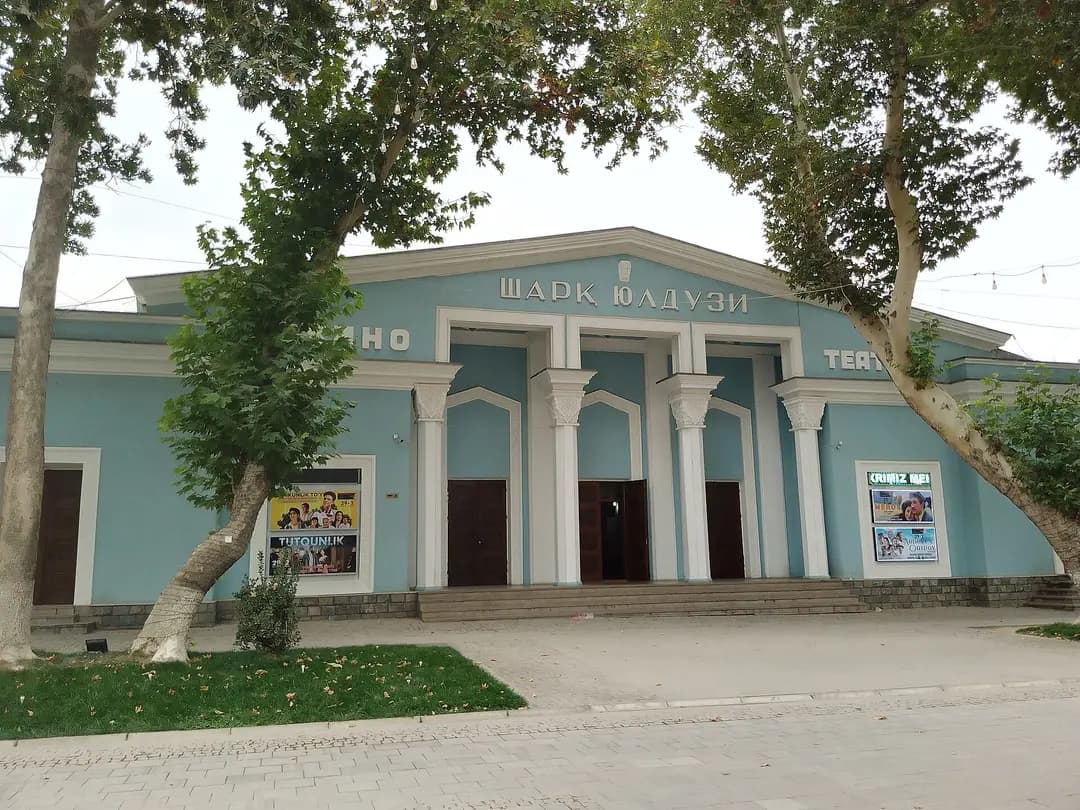
Cover photo: Hasan Tohirov, CC BY-SA 4.0, Wikimedia Commons.
