Muynak: the former Aral Sea port today
How Muynak lives after the sea left: where to stay, what to eat, which projects try to change the situation and how to approach a place that became a symbol of an ecological disaster.
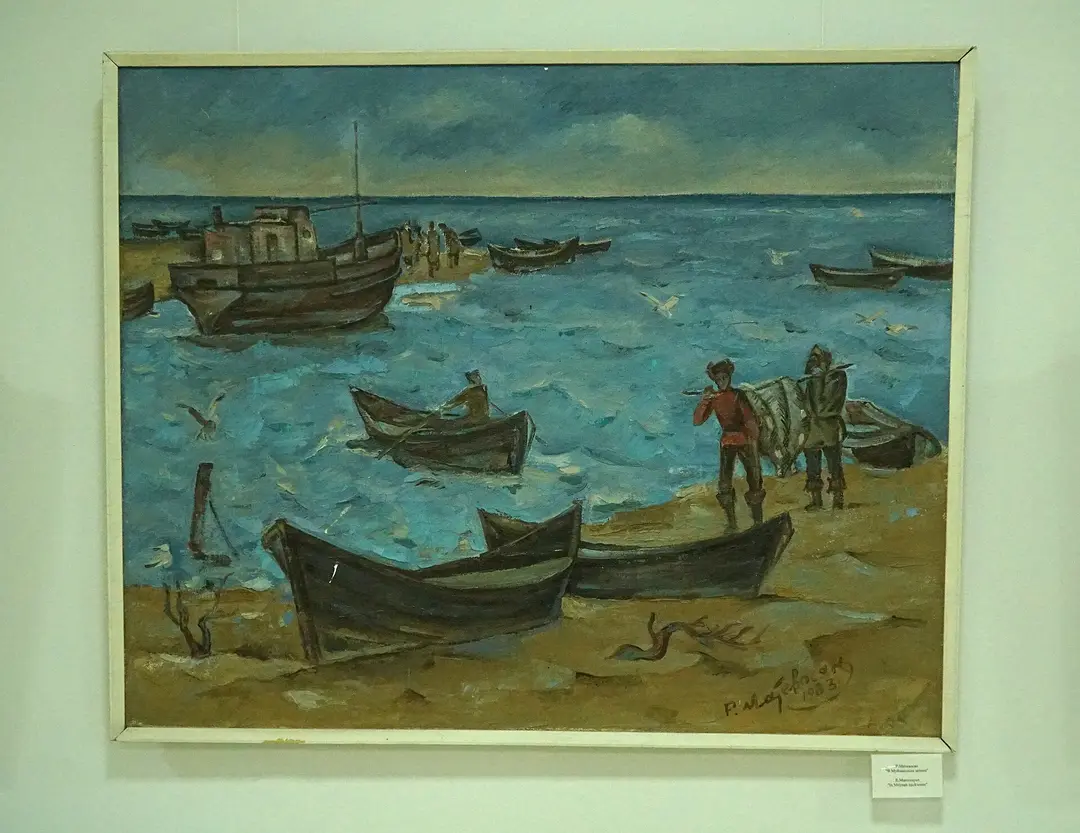
Muynak is a small town in the north of Karakalpakstan that, as late as the middle of the twentieth century, was a seaport and fishing centre. Today the sea has retreated by dozens of kilometres, and rusting ships stand where the harbour used to be. For many people Muynak is a destination for one impression: to see the scale of an ecological disaster with their own eyes. But the town still lives today, and it is worth getting to know it a little deeper.
A short history
In the twentieth century the waters of the Amu Darya and Syr Darya began to be taken in large amounts to irrigate cotton fields. The Aral Sea started to shrink, and by the end of the century its level had fallen so far that the port of Muynak was left on dry land. The fish processing plant closed, many residents left and those who stayed found other occupations. This story is known as one of the most visible man-made disasters of modern times.
Today a salt desert lies where the seabed was, and the new sea is far from the town. That contrast is what draws travellers.
How to get there
It is about 200 kilometres from Nukus to Muynak, and the drive takes three to four hours. The road runs through Chimbay and Kungrad. It is best to go by car, since public transport is rare. See route details on the Nukus to Muynak page, and for the return Muynak to Nukus. In the Yo'ldosh app you can book a seat in a car heading your way and share costs with fellow passengers.
What to see
The ship graveyard
The main sight is a row of rusting vessels left on the dry seabed. It is a powerful image that is hard to forget. Photograph with care: the ships are dilapidated and going close is unsafe, especially in wind.
The Aral Sea museum
The town has a small museum that tells the story of the sea, the fishing trade and the people who lived on its shores. The museum is modest but helps with context. Check opening hours and conditions on the spot.
The viewpoint
From the high shore you can see the former seabed stretching to the horizon. It looks especially striking at sunset.
Restoration projects
Saxaul and other desert plants are being planted on the former seabed to stop dust storms. These are long-term projects, and results are not visible at once, but they give the region hope. If the subject interests you, ask local guides where to find out more.
Where to stay
Muynak has guest houses and small hotels, and nearby there are yurt camps where you can spend a night in the desert. A night by the former sea, with silence and a starry sky, stays with you for a long time. Check prices and conditions in advance, and in season book accommodation weeks ahead.
What to eat
The food here is simple and filling: plov, lagman, manti, fresh flatbread. Fish from lakes and canals appears on menus, but do not expect seafood. It is best to order hot dishes that have just been cooked.
What to take home
Muynak is not a souvenir town, but you can bring back:
- Karakalpak crafts: embroidery, jewellery, sewn items;
- photographs: the silence and emptiness of the landscape come out well in pictures;
- knowledge and impressions, which matter more than any trinket.
If you want to help the region, choose local guides and guest houses: they are the ones who earn income from tourism.
Practical tips
- Bring plenty of water, a hat and a warm jacket: the wind on the former seabed is cold.
- Do not walk far from the road without a companion: the terrain can be dangerous.
- Fill up in advance, as fuel stations are few.
- Cash is essential; there are almost no card terminals.
- Treat the place with respect: for many people it is the memory of a lost home.
When to go
Spring and autumn are best. Summer is very hot and winter cold, but there are fewer people and the air is cleaner.
Plan your trip
To reach Muynak, open the Nukus to Muynak page, and for the way back Muynak to Nukus. Other directions are in all routes. Drivers who travel to the Aral region will find the for drivers page useful.
Cover photo: Adam Harangozó, CC BY-SA 4.0, Wikimedia Commons.
